
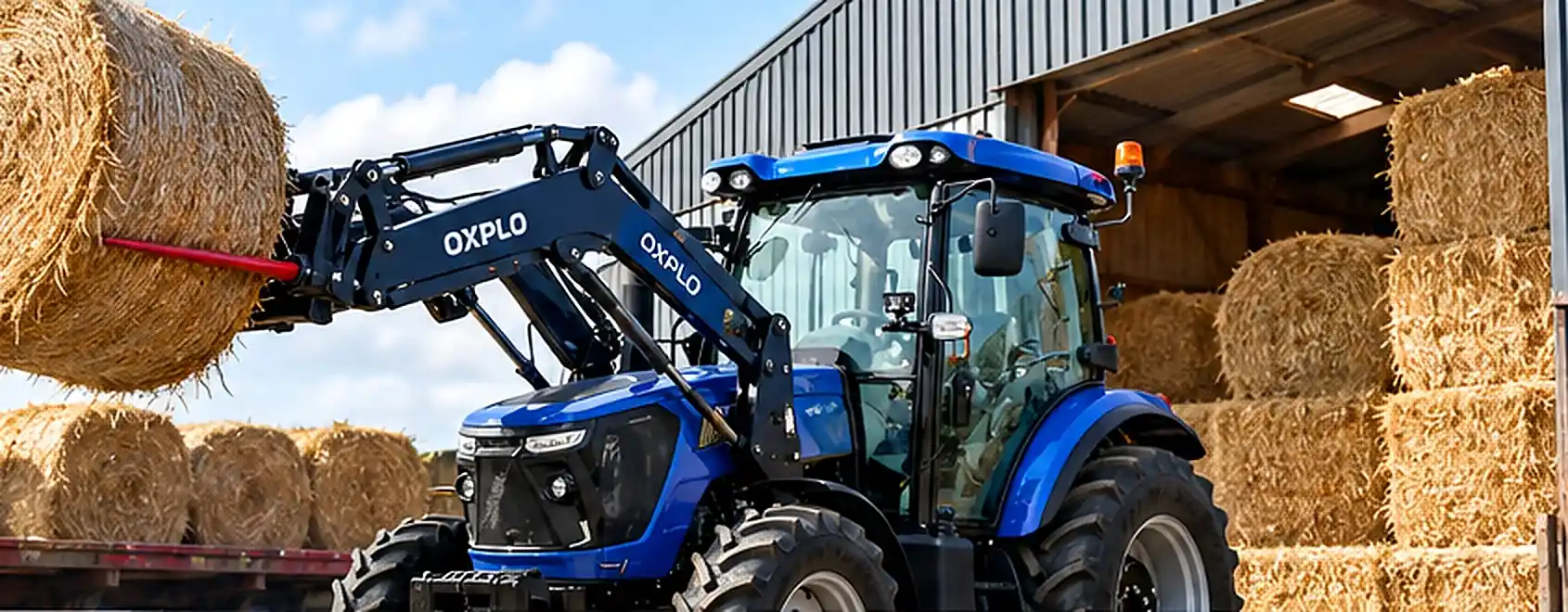
A tractor that can lift a round bale is not automatically a tractor that can carry it safely across a wet farmyard, enter an older livestock building or place it on a trailer. The difference is usually not engine horsepower. It is the interaction between the bale’s weight and centre of gravity, the loader’s rated working envelope, the attachment, axle loads, ballast and the site itself.
This matters for European livestock farms, where one machine may feed cattle in the morning, transport a trailer after lunch and return to pasture maintenance later in the week. An expensive purchasing error can leave the farm with a machine that is capable on paper but inefficient—or unsuitable—in its daily operating environment.
This guide shows how to specify a tractor for bale handling as a complete working system, identify avoidable costs and ask suppliers the right questions before ordering. The emphasis is on verified capacity and practical trade-offs, not a particular horsepower claim.
I. The Real Bale-Handling Bottleneck on European Livestock Farms
Three farms can need three different solutions
Picture a small dairy farm in an older building complex. The entrance is tight, the turning area is shared with feed deliveries and the route from storage to the feeding area is short. Here, overall width, visibility and the turning envelope may dominate the decision. Buying a substantially larger tractor can solve no problem if the machine cannot pass through the doorway with its loader installed.
On a grassland and silage farm, the limiting factors change. Wrapped bales can be substantially different in weight from dry hay, and puncturing the film can compromise preservation. Soft tracks, wet concrete and uneven loading pads add traction and stability concerns. A poorly chosen spear or unverified ballast arrangement creates consequences beyond a slower handling cycle.
A mixed farm or agricultural contractor may work differently again: collect multiple bales during a compressed weather window, stack them, tow trailers and use the same tractor for mowing or cultivation. Equipment utilisation and the number of repeatable cycles per hour matter more than a headline lift figure.
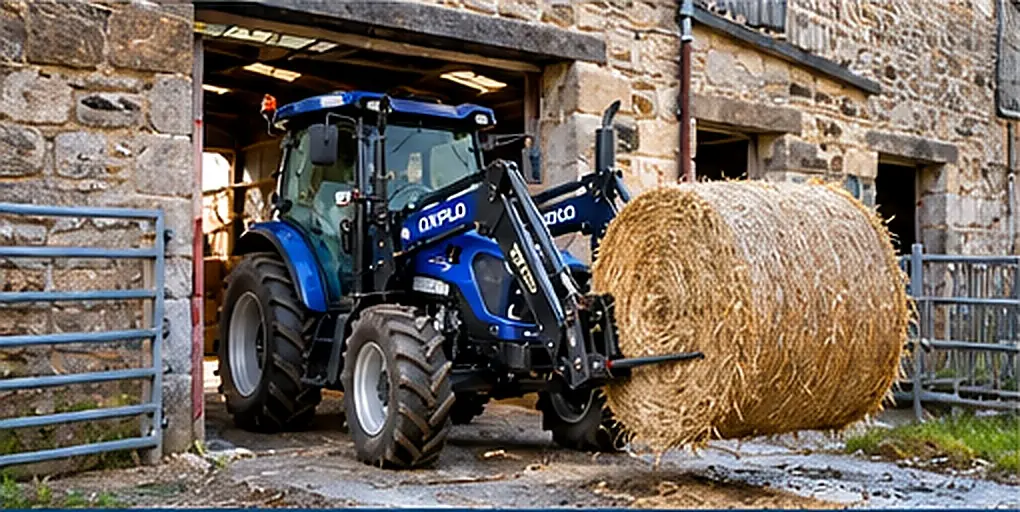
Figure 1. Narrow barn access can be a bigger constraint than horsepower on many European farms.
Calculate the cost of the unnecessary second attempt
On a busy farm, an awkward attachment often creates a pattern: approach the bale, correct the alignment, raise it slightly, lower it, move again and finally secure it. The seconds consumed by these corrections recur all season. The associated tyre scuffing, hydraulic cycling and operator fatigue are harder to see in the purchase quotation but no less real.
The correct improvement is not always another ten horsepower. It may be a different attachment, a revised approach route, a safer stacking arrangement or a loader with the right capacity at the required height. That is why the first procurement document should describe the work—not the tractor.
II. Start With Bale Weight, Load Centre and Worksite Geometry
Define the heaviest normal load, not the average bale
Round hay, square hay and wrapped silage differ in density, moisture, size and structural behaviour. A farm should establish the maximum expected bale mass using measured weights or a defensible conservative figure from its forage operation. Visual estimates and generic internet weight ranges are not a sound basis for a purchase.
Record the bale’s diameter or dimensions, wrapping condition, lifting orientation, number of bales moved daily, travel distance, maximum stacking height and whether loading will take place on sloping or uneven surfaces. The load specification should also identify the mass of the fork, grab, coupler and any other fitted components.
Distinguish loader ratings from usable bale capacity
A loader may publish capacity at its pivot pin, at a specified distance forward of the pivot, or at a particular lifting height. These values are not interchangeable. A bale positioned farther ahead of the tractor creates a greater moment, while an attachment adds both mass and additional forward offset.
Consider a simple comparison: a 600 kg load acting at a 0.50 m horizontal lever arm corresponds to a mass–distance product of 300 kg·m; at 0.75 m, it becomes 450 kg·m. This illustrates the 50% change in moment arm effect—not an approved lifting calculation. Real loader geometry, cylinder forces, dynamic behaviour and tractor stability must be determined from the manufacturer’s documentation.
Ask for the capacity chart at the actual bale load centre and required lift height. If the supplier provides only an attractive pivot-pin number, the lifting task has not been verified. For a complementary overview, see this front-loader buyer’s guide on loader geometry, hydraulics and counterweights.
Survey the actual route before choosing the machine
- Access:Measure the narrowest doorway or gateway after allowing for tyres, mirrors, loader frame and any fitted attachment.
- Height:Compare the complete machine and the elevated bale with beams, roofs, loading equipment and overhead obstructions.
- Ground:Record rutting, soft shoulders, cross-slopes, drainage and surface changes from summer to winter.
- Traffic:Separate livestock and pedestrians from the handling route; identify blind corners and places where a spotter cannot remain safely clear.
- Stacking:Verify trailer-floor height, stable bale positioning and the working height at which the rated capacity must be available.
A site that cannot safely accommodate a loaded front loader may need a different stacking location or dedicated handling equipment. A bigger tractor does not correct a poor traffic plan.
III. Front Loader, Bale Fork and Tractor Ballast Must Be Specified Together
Select the attachment for the bale, not simply the coupler
For unwrapped dry round bales, a purpose-designed rated spear with suitable stabilising tines may provide secure engagement. Large square bales may require a purpose-designed multi-tine fork or another approved handler that supports the bale correctly. Wrapped silage usually calls for a non-puncturing grab or clamp, provided its clamping force, hydraulic requirements and rated capacity are compatible with the job.
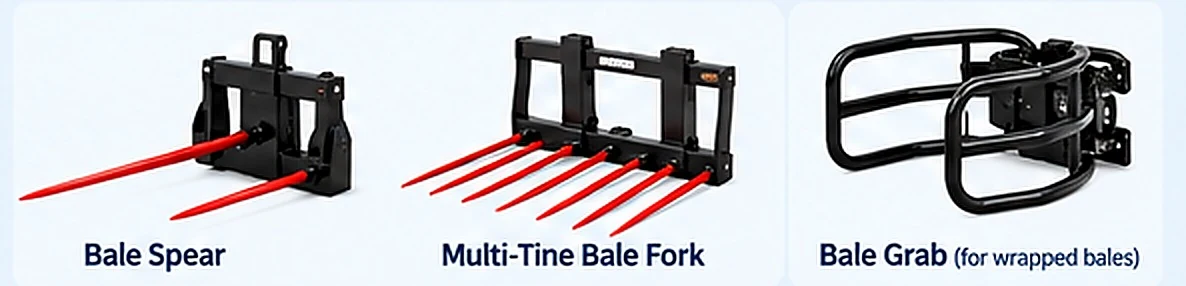
Figure 2. Different bale attachments suit different forage and handling requirements.
A bale fork tractor arrangement needs a specific check of attachment rating, tine condition, locking system and load-centre position. A longer spear may help with engagement, but it can shift load farther forward and increase the demand on the loader. More tines do not automatically mean greater capacity. Unverified modifications are not a substitute for the correct attachment.
Never substitute an ordinary bucket for a suitable bale-retaining device. A large round bale can roll or fall towards the operator. Guidance in the UK Health and Safety Executive’s Safe Working With Bales in Agriculture also stresses suitable spikes, clamps and grabs, visibility, transport height and stable stacks.
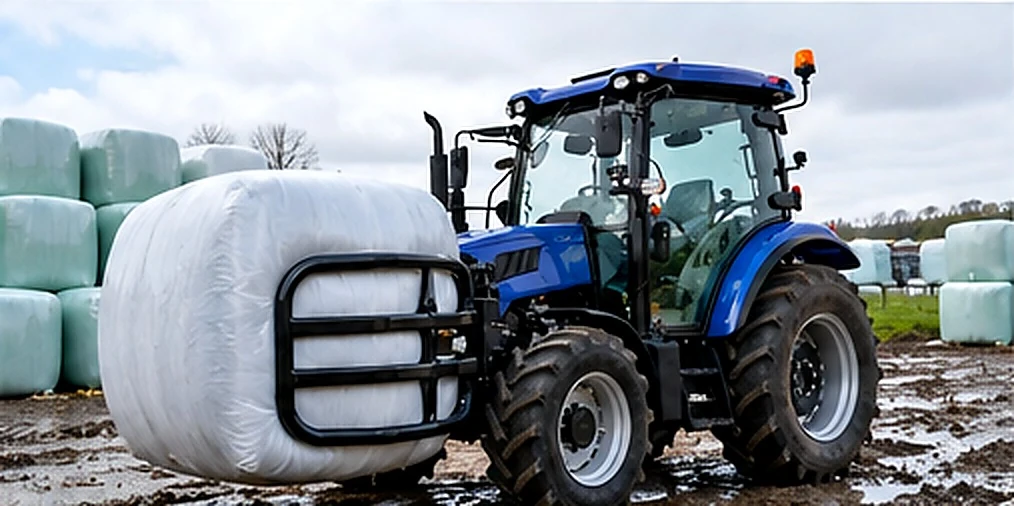
Figure 3. Wrapped silage requires a suitable non-puncturing attachment and careful load control.
Rear ballast is an engineered configuration
A loader transfers demand towards the front axle while a forward load can reduce effective loading at the rear wheels. Correctly specified rear ballast can help manage stability and traction; it is not simply a heavy object added until the tractor feels balanced.
The counterweight’s position relative to the rear axle matters, as do the tractor wheelbase, loader frame, tyre ratings, axle limits and the allowable load on the rear linkage. Rear-mounted ballast, wheel weights and liquid-filled tyres do not affect the machine in identical ways. Ask the supplier for the approved tractor–loader–ballast combination and associated tyre-pressure guidance.
Four-wheel drive improves traction; it does not increase the structural rating of the loader, cancel axle limits or make elevated loads safe on slopes.
A short operator workflow that prevents repeat errors
- Inspect loader pins, attachment locks, hydraulic hoses, tyres, ballast installation and any damage before work.
- Keep people and animals clear; assess soft ground, slopes, blind corners and overhead hazards.
- Approach on suitable ground, align the attachment and engage the bale using its approved method.
- Confirm retention and stability at a low lift height; if the bale shifts, lower it and correct the setup.
- Transport with the bale as low as practical, control speed and steering smoothly, and never lift the load merely to improve the view.
- Position the tractor on suitable ground before raising for trailer loading or stacking; remain within the verified capacity at that height.
- Lower the load into a stable position, disengage safely, and park with the attachment lowered under the manufacturer’s shutdown procedure.
Do not travel with a raised bale across sloping ground. For an operation that cannot be completed safely within the verified loader envelope, redesign the workflow or use a more appropriate machine rather than relying on operator skill to compensate.
IV. Choose a Compact Tractor, Utility Tractor or Dedicated Handler?
The trade-off is access, lifting geometry and annual utilisation
A compact livestock tractor can make economic sense where barn access is constrained and bale movements are occasional, provided the complete loader system has been approved for the load. A mid-size utility tractor may suit recurring feed transport, trailer operation and mixed-farm implements. Neither is automatically the right option for high stacking, long forward reach or intensive repetitive loading.
Where the lift height, horizontal reach, cycle frequency or space demands exceed an approved tractor-loader configuration, a dedicated telescopic handler or other appropriate handling machine may be the sounder choice. This can increase acquisition cost but reduce the operational compromises involved in forcing one tractor to do a specialised job.
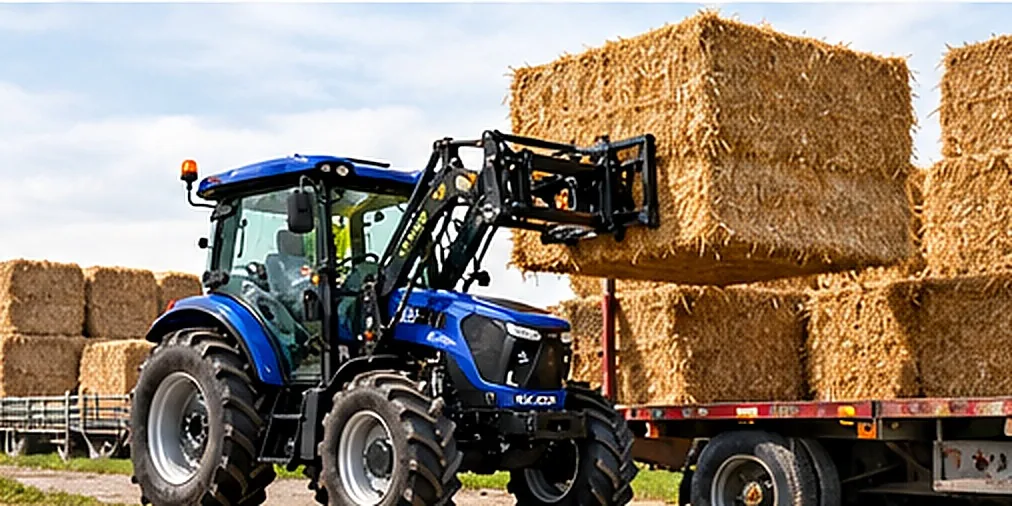
Figure 4. High-volume trailer loading places more emphasis on lift geometry, efficiency and stability.
Measure cost per bale instead of relying on a brochure promise
Suppose a farm moves 45 bales per operating day over 160 days. An improved loading layout and properly matched attachment eliminate an average 20 seconds of avoidable repositioning per bale. The arithmetic is 45 × 20 seconds × 160 days = 40 hours a year. At an illustrative labour value of €25 per hour, that is €1,000 of annual labour time. It is an example, not an observed result or guaranteed saving.
The result depends on whether saved minutes translate into recoverable labour capacity and whether the revised method remains safe. A larger machine could still cost more overall after financing, fuel, tyres, servicing and depreciation. Conversely, a more suitable attachment may produce greater value than upgrading the base tractor.
For total cost of ownership (TCO), attribute purchase and operating costs to the time the machine is actually used for bale handling. A tractor that also earns its keep during mowing, cultivation, transport and estate maintenance should not have its full annual cost allocated to bale movements alone.
Use three purchase tests
- Access test:Can the complete machine perform the required turn, doorway entry and low-load travel without unsafe manoeuvres?
- Capacity test:Is the bale plus attachment verified within the rated lifting and stability limits at the actual working height and load centre?
- Utilisation test:Does the tractor have enough suitable work across the year to justify its acquisition and running cost compared with hiring or a specialised handler?
V. European Buyer’s Pre-Order Verification Checklist
Separate emissions, vehicle approval and attachment documentation
For EU destinations, the approval status of an agricultural tractor cannot be inferred from a generic CE claim. Regulation (EU) No 167/2013 governs type approval and market surveillance for the agricultural and forestry vehicle categories within its scope. Engine emissions requirements, including applicable Stage V provisions, are addressed through the relevant framework including Regulation (EU) 2016/1628. These are different checks; compliance with one does not prove compliance with the other.
Ask for documentation specific to the actual model, engine, configuration, destination and intended use. Public-road registration, lighting, braking, towing and other obligations may vary with the vehicle category and country. The UK has its own arrangements and should not automatically be treated as an EU member-state destination.
For attachments and loader assemblies, request the applicable declarations, rated-capacity documentation, operating instructions and evidence of compatibility. Do not assume a universal coupling description guarantees that a grab, spear or fork is safe on every loader.
The procurement questions that reveal weak quotations
Buyer needs to know | Supplier should confirm |
Maximum bale load | Measured or specified maximum bale mass; attachment mass; rated capacity at real load centre and lift height |
Loader package | Exact loader model, mounting interface, hydraulic connections, chart and attachment retention |
Ballast and axles | Approved counterweight arrangement; tyre and front/rear axle loading limits |
Barn / yard access | Machine dimensions with loader; turning area, visibility and applicable surface conditions |
European market | Engine and vehicle-specific approval/emissions documents for the country and use case |
Ownership / service | Parts support, service intervals, wearing components, warranty scope and spare-parts ordering route |
A procurement-ready RFQ should contain six facts
When requesting a quotation, send the destination country; maximum bale weight and bale type; doorway width and minimum clear height; loading height; terrain and ground conditions; and expected daily/seasonal workload. Add photographs or a dimensioned plan where practical. Ask the supplier to identify any assumptions that still need a site or engineering check.
Do not authorise shipment on a guessed lifting capacity. Confirm the loader model and attachment configuration in the final technical specification, and request available inspection photos or videos showing the ordered combination before dispatch.
VI. Matching OXPLO Tractors to European Bale-Handling Applications
Use the OXPLO range as a platform comparison—not a lifting guarantee
After defining the actual work, an OXPLO buyer can compare compact access against a larger utility platform. The OXPLO tractor range currently includes 50, 60 and 70 HP four-wheel-drive models relevant to mixed-farm and livestock enquiries. Their published figures support an initial shortlist; none of these engine ratings alone establishes approved bale lifting capacity.
The three OXPLO models below illustrate how buyers can differentiate building access, repeated loader operation and wider annual tractor use. Published chassis and transmission specifications identify the starting platform; loader capacity requires a separate verification.
OXT504: access can be worth more than additional power
The OXPLO OXT504 is listed at 50 HP with an 8-forward/8-reverse transmission and an overall width of 1,560 mm. A farm restricted by gateways or older farm buildings may value those dimensions. This is an access-based argument, not a claim that every large bale is suitable for this tractor. The attachment’s forward projection, loader mounting and bale width must also fit the route.
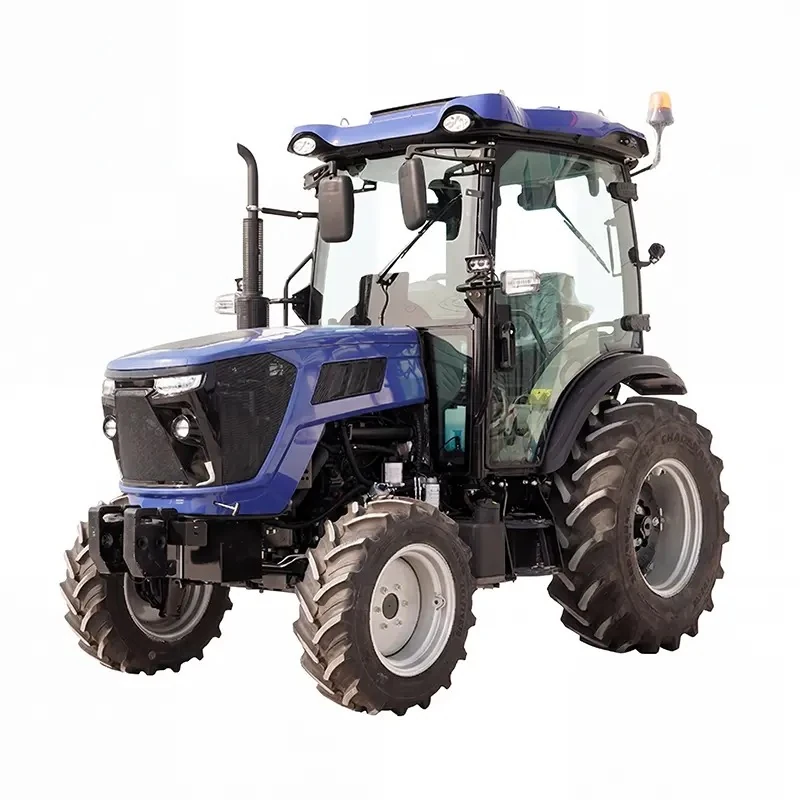
Figure 5. OXPLO 50 HP enclosed-cab tractor exterior reference image.
OXT604: a more substantial starting point for repeated loader work
The OXPLO OXT604 moves to a 60 HP utility platform, 2,010 mm wheelbase, 12F+12R gearbox and Category II rear linkage. For a farm switching repeatedly between forward and reverse, a broader ratio choice can help match approach and transport speed to the task. The larger platform is worth evaluating when the operation also needs a wider range of rear implements—but its actual bale capacity remains subject to loader, axle and ballast verification.
OXT704: engine reserve for a wider yearly workload
The OXPLO OXT704 adds 70 HP on a published 2,010 mm-wheelbase Category II platform with a 12F+12R gearbox. Where the same machine also drives appropriate PTO implements, handles grassland maintenance or pulls a compatible trailer, the additional engine output may improve its overall role on a mixed farm. It does not prove that a particular OXT704 front loader will lift more than a particular OXT604 combination.
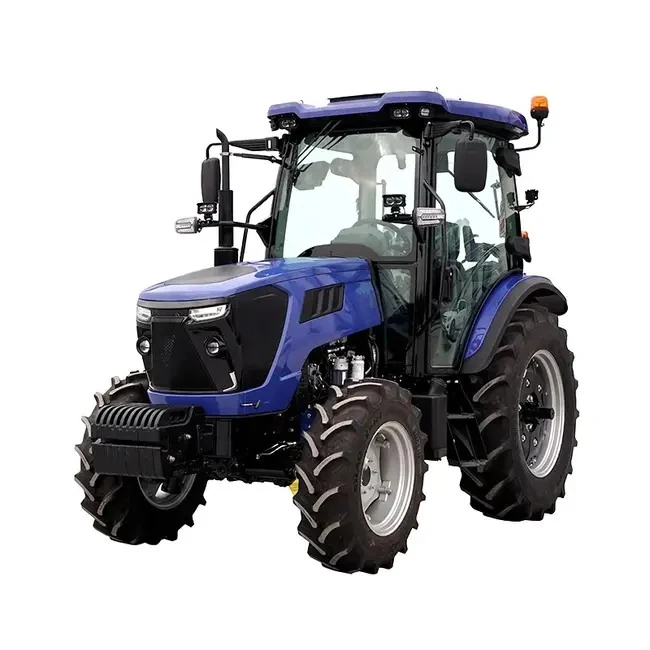
Figure 6. OXPLO 70 HP enclosed-cab tractor exterior reference image.
What OXPLO can help buyers verify before a quotation
The relevant OXPLO proposition is configurable equipment rather than a blanket claim about one model. On the OXPLO tractor configuration page, front loaders, bale forks and trailers are shown among the possible application attachments; exact availability, rated capacities and fitment should be confirmed for the proposed machine. OXPLO also describes pre-shipment configuration checks, parts enquiries and technical assistance.
That approach addresses practical procurement risks: a loader ordered without the right mounting system, an attachment whose hydraulic connections do not match, an implement with the wrong linkage category, or a tractor shipped without the documents needed for the buyer’s intended market. A buyer can also review OXPLO agricultural handling applications and the OXPLO attachments and support information when planning the broader farm workflow.
For a complete OXPLO bale-handling enquiry, specify the bale and yard first; then ask OXPLO to confirm the tractor model, actual loader and fork/grab, counterweight instructions, required market documentation, service parts and commercial terms in one written package.
VII. Frequently Asked Questions
Can a 50 HP tractor handle round bales?
Possibly, but horsepower cannot answer the question. A 50 HP tractor for bale handling must be assessed against the heaviest bale, loader capacity at the actual load centre and height, axle limits, attachment and ballast. OXPLO OXT504 is a 50 HP candidate for evaluation, not a guaranteed bale-weight rating.
Is a bale spear suitable for wrapped silage?
A penetrating spear can damage protective film and should not be treated as the default for wrapped silage. A correctly rated non-puncturing grab is often the more appropriate attachment, subject to bale and machinery specifications.
How much tractor ballast do I need for a front loader?
Use the approved tractor–loader–ballast instructions for the exact combination. Rear ballast depends on mounting location, axle loading, wheelbase, tyre rating and load geometry, not merely the stated bale weight.
When does a farm need a telescopic handler instead?
Consider specialised handling equipment where safe reach, loading height, frequent stacking or duty cycle lies beyond the verified tractor-loader envelope. Compare the full machine cost and how often the additional capability is actually used.
Are OXPLO tractors automatically EU-approved with Stage V engines?
No blanket statement should be made. OXPLO describes Stage V engine configurations for selected models, while vehicle approval and documents depend on the exact model, configuration and destination. Request written confirmation before purchase.
What should I send OXPLO to receive an accurate quote?
Send the destination country, maximum bale weight and bale dimensions, whether bales are wrapped, door width and clear height, loading height, ground conditions, daily workload and other required implements. OXPLO can then assess a suitable configuration and identify the technical items needing confirmation. Use the OXPLO enquiry form to submit the details.
VIII. Conclusion: Specify the Complete System Before Buying
A productive bale-handling system is not defined by one horsepower figure. The useful result comes from the right bale attachment, verified loader capacity, appropriate ballast, safe route design and equipment that earns its place in the farm’s yearly workload.
For European livestock farms, this approach reduces the risk of buying an oversized tractor that cannot enter the yard—or an apparently affordable loader that cannot perform the required lift safely. It also makes quotations easier to compare because the technical assumptions are visible.
OXPLO offers compact and utility tractor platforms and discusses attachment matching, market-specific documents, pre-shipment checks and support. To develop a practical specification, contact OXPLO with your bale, farmyard and destination-market requirements and request confirmation of the complete tractor–loader–attachment–ballast package before ordering.