
A practical supplier-qualification guide for European importers, dealers, distributors and professional farm buyers
Searching for a tractor manufacturer China can produce dozens of apparently similar suppliers within minutes. The difficult part is not finding a 40 HP, 50 HP or 70 HP tractor. The difficult part is proving that the machine quoted, the machine documented, the machine inspected and the machine delivered are the same technical configuration – and that the supplier can repeat that result across a batch order.
For a European buyer, that distinction matters because the commercial risk sits outside the brochure. A low purchase price can be cancelled by an unsuitable engine configuration, incompatible PTO or linkage, undocumented component substitutions, local rework, slow spare-parts identification or a machine that cannot be supported efficiently after resale.
Core principle Do not evaluate only the tractor. Evaluate the manufacturer’s ability to control configuration, compliance, production consistency, traceability and after-sales support. |
I. Why European Tractor Orders Are Harder Than They Look
A tractor may be mechanically capable of working in a field and still be the wrong product for a European order. The same model name can be offered with different engines, tyres, lighting packages, operator stations, hydraulic connections, PTO arrangements or market-specific equipment. Those differences affect application fit, serviceability and the documentation that must be checked for the destination market.
This is why the first supplier-screening question should not be, ‘What is your best price for 50 HP?’ A better question is, ‘What exact configuration are you proposing for my country, workload and implements, and how will that configuration be controlled through production and shipment?’
The hidden problem behind similar-looking quotations
Three suppliers can quote ’50 HP, 4WD, cabin, European configuration’ while pricing three materially different machines. The cost difference may sit in the engine, transmission, axle, hydraulic hardware, tyres, electrical components, cab equipment, testing depth or spare-parts package. A quotation that compresses all of that into four lines is not necessarily cheaper – it is simply less transparent.
A professional procurement comparison therefore has to normalize the specification before comparing price. Otherwise, the buyer is comparing unlike machines and treating the price gap as a purchasing advantage.
II. Start With the Work, Not the Horsepower
Horsepower is an entry point, not a complete selection method. A farm tractor manufacturer should be able to translate the customer’s working conditions into an engineering configuration. That means understanding what the tractor must pull, power, lift, carry and operate around before recommending a model.
For example, a buyer using a rotary tiller needs to check PTO speed, spline, working width, implement weight, three-point linkage category and traction. A buyer using a front loader must add hydraulic flow requirements, front-axle loading, ballast and stability. A buyer towing farm trailers may place more weight on braking, tyres, transport speed and destination-country road requirements.
Build an application map before sending the RFQ
Input from Buyer | Why It Changes the Tractor Specification |
Farm type and crop | Defines typical tasks, row spacing, seasonal workload and implement mix. |
Terrain and soil | Changes traction, tyre choice, ground clearance and ballast requirements. |
Existing implements | Determines PTO, linkage, hydraulic and dimensional compatibility. |
Daily / annual hours | Influences durability expectations, service intervals and spare-parts planning. |
Loader or transport work | Adds hydraulic, axle, counterweight, braking and road-use considerations. |
Destination country | Determines which market-specific equipment and documentation must be confirmed. |
Dealer resale vs. own use | Changes the importance of batch consistency, parts cataloguing and service support. |
III. Compliance: Do Not Stop at “CE Available”
For European tractor orders, compliance questions should be tied to the exact vehicle and destination market. Agricultural and forestry vehicles are covered by a dedicated EU type-approval framework, including Regulation (EU) No 167/2013. Engine-emission requirements must also be checked against the selected engine and the applicable EU rules. A generic statement such as ‘CE available’ is therefore not a substitute for configuration-specific document verification.
Official reference: Regulation (EU) No 167/2013 on agricultural and forestry vehicles.
Verify the approval chain against the machine you will receive
The useful purchasing question is not whether the supplier owns a certificate somewhere in its files. The question is whether the available approvals, declarations, manuals, labels and engine documentation correspond to the exact model, configuration and market you are buying.
Weak Question | Better European Procurement Question |
Do you have CE? | What approval and conformity documents apply to this exact tractor configuration and destination country? |
Is the engine Stage V? | What is the exact engine model, emissions configuration and supporting documentation for the quoted unit? |
Can I register it? | Which vehicle documents are supplied, and what must still be checked under the destination country’s registration rules? |
Is the cabin European? | Which operator-protection, lighting, mirror, braking and market-specific items are included in the confirmed specification? |
Red flag If the supplier answers every compliance question with the same generic PDF, without checking model, engine and destination country, treat that as a verification gap rather than reassurance. |
IV. Configuration Control: Can the Supplier Freeze What You Are Buying?
One of the most expensive sourcing failures is a silent component change between sample approval and batch production. The tractor may keep the same model number while the engine, hydraulic valve, alternator, tyre brand, seat, lamp, connector or other component changes because of availability or cost.
Not every component substitution is automatically bad. Manufacturing supply chains change. The real issue is whether the tractor factory has a controlled change process: the buyer should know when a change affects fit, performance, parts support, documentation or service procedures.
Ask for a configuration baseline
- Model and rated power
- Exact engine model and emissions configuration
- Transmission and axle specification
- PTO speed and spline
- Three-point linkage category
- Hydraulic outlets and implement requirements
- Tyre sizes and selected tyre type
- Cab / ROPS / lighting / mirrors / road-related equipment
- Approved options and attachments
- Manuals, labels, declarations and other agreed documents
This baseline should appear consistently in the quotation, technical specification, order confirmation and inspection checklist. When those documents disagree, the buyer has not yet controlled the order.
V. Implement Compatibility Is Where “Enough HP” Often Fails
A tractor can have enough engine power and still be a poor match for the implement. This is common when purchasing decisions are made from horsepower alone. The implement may require a different PTO speed, a different linkage category, greater hydraulic capacity, more tractor mass or a different balance between front and rear ballast.
The correct engineering sequence is therefore application -> implement -> interface requirements -> tractor configuration. This is especially important for European buyers who already own mowers, tillers, ploughs, seeders, spreaders or trailers and expect a new tractor to integrate into the existing fleet.
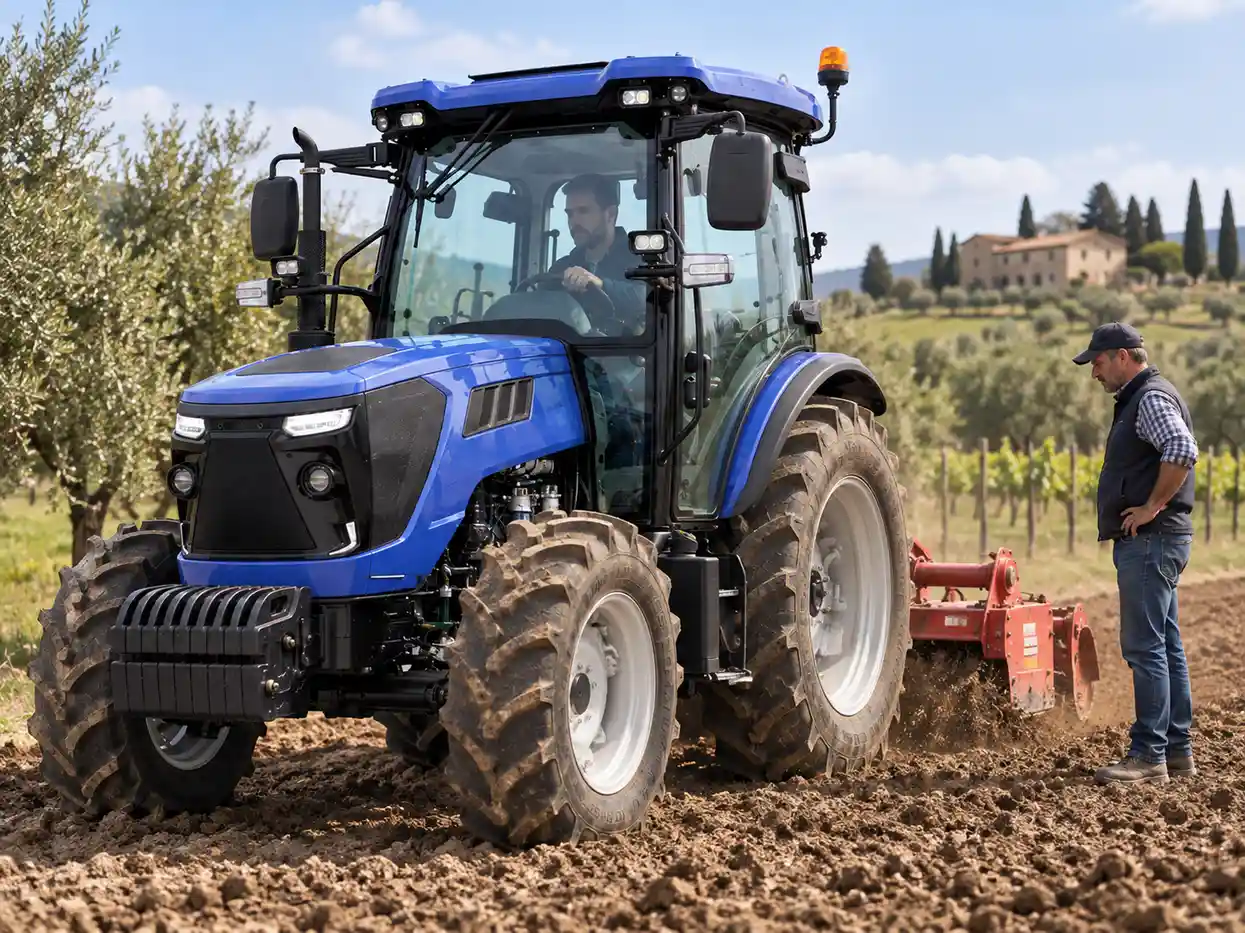
Figure 1. Implement compatibility should be confirmed through PTO, linkage, hydraulic, weight and traction requirements – not horsepower alone.
Five compatibility checks that should be completed before production
Interface | What to Verify | What Can Go Wrong If Ignored |
PTO | Speed, spline, power demand and driveline requirements | Implement cannot operate correctly or is used at the wrong speed. |
3-point linkage | Category, geometry, lift range and implement weight | Implement cannot mount correctly or exceeds practical lifting/stability limits. |
Hydraulics | Outlet type, pressure/flow demand and control function | Loader or hydraulic implement operates poorly or requires local modification. |
Tyres & ballast | Soil, traction, road work, axle load and counterweight | Excessive slip, poor stability, soil damage or premature tyre wear. |
Dimensions | Row spacing, gates, buildings, turning space and transport constraints | A technically powerful tractor becomes operationally inconvenient. |
VI. A Good Sample Does Not Prove a Good Batch
A sample order answers one question: can one tractor be made to the requested specification? A dealer or importer has a second question: can the supplier reproduce the same result across 10, 30 or 50 units and again on the next order?
Batch risk often appears as small deviations rather than catastrophic failures: different hose routing, missing labels, inconsistent fastener condition, changed electrical components, wrong tyres, incorrect accessory quantities or undocumented substitutions. One deviation may be manageable. Repeated across a dealer batch, it becomes warranty labour, customer dissatisfaction and margin erosion.
The production process is part of the product
A strong agricultural tractor manufacturer should be able to explain where quality is checked: incoming components, structural work, assembly, hydraulic and electrical installation, functional testing and pre-shipment inspection. The buyer does not need a theatrical factory tour. The buyer needs evidence that critical characteristics are checked at defined points and can be traced back to a specific machine.
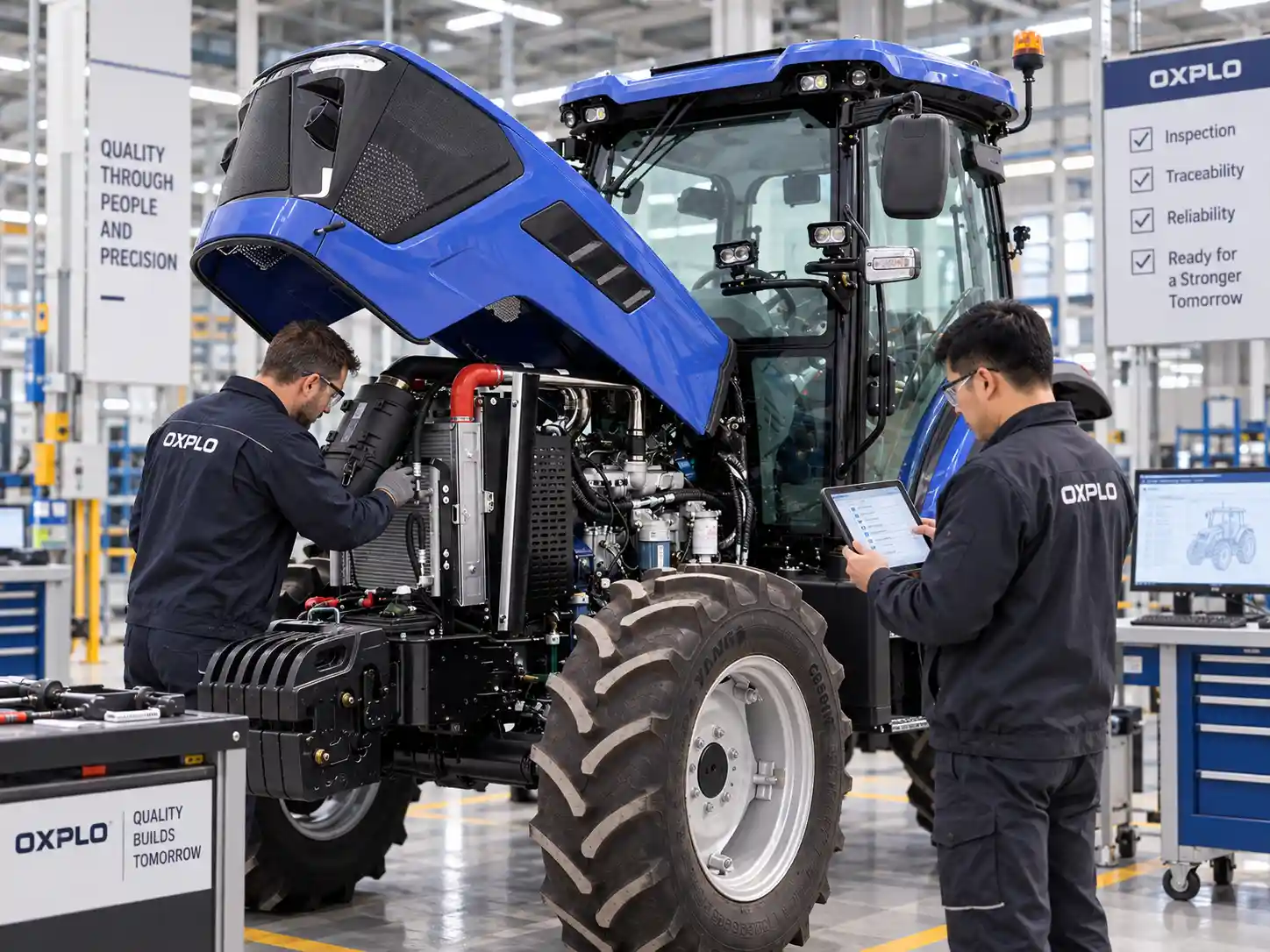
Figure 2. Quality control should connect incoming parts, assembly checks, functional testing and machine-level traceability.
VII. What to Audit at the Tractor Factory
When visiting a tractor factory – or auditing remotely – focus on controls that predict repeatability. Clean floors and modern equipment are useful context, but they do not replace records and process discipline.
Audit Point | Evidence to Request | Why It Matters |
Incoming inspection | Supplier identification, specification check, inspection record | Stops wrong or inconsistent components from entering assembly. |
Assembly control | Work instructions, torque / connection checks, model-specific build information | Reduces variation between individual units. |
Functional test | Starting, steering, braking, transmission, PTO, hydraulic and control checks as applicable | Confirms that systems work together before shipment. |
Traceability | Machine / serial identification linked to configuration and inspection | Makes after-sales diagnosis and parts identification faster. |
Pre-shipment check | Accessories, labels, manuals, documents, appearance and packing against order | Catches commercial and configuration errors before loading. |
VIII. Send a Technical RFQ Before You Compare Prices
A short message saying ‘Please quote 50 HP tractor’ invites an equally shallow quotation. A technical RFQ forces suppliers to expose whether they understand the job and gives the buyer a common basis for comparison.
Practical rule The better the input, the more meaningful the quotation. A supplier that asks intelligent follow-up questions is often giving you useful information before the order even exists. |
Buyer information to include
- Destination country and delivery location
- Farm type, crop and terrain
- Main tasks and seasonal workload
- Existing implements with photos or model numbers
- Required horsepower range rather than a single fixed number, if still undecided
- PTO, linkage and hydraulic requirements
- Cab / ROPS, tyres, lighting and road-use expectations
- Loader or trailer requirements
- Trial quantity and expected annual volume
- Required manuals, labels and market documentation
- Preferred spare-parts package and warranty support expectations
Supplier information to require in return
- Recommended tractor model and why it fits the application
- Confirmed engine, transmission, PTO, linkage, hydraulics and tyre specification
- Options and attachments included in the price
- Available compliance / technical documents for the destination market
- Production lead time and inspection process
- Packing and shipping assumptions
- Recommended maintenance and critical spare parts
- Warranty scope and information required for a claim
IX. Evaluate After-Sales Support Before the Tractor Breaks
Warranty duration alone is a weak measure of support. For European dealers, the more useful question is how quickly a fault can move from ‘customer complaint’ to ‘identified machine, identified component and defined next action.’
A support workflow should begin with the machine model, serial number, operating hours, purchase information, issue description, photos or video, fault codes where available and maintenance history. That information allows the supplier to distinguish a configuration issue, operating issue, service issue or component failure without several days of basic back-and-forth communication.
Parts identification matters as much as parts availability
Saying ‘we have spare parts’ is not enough for a dealer network. The supplier should be able to identify the correct part for the exact machine. Serial-number traceability, part numbers, clear photos and model-specific records reduce the risk of sending the wrong component internationally – one of the most avoidable sources of downtime and freight cost.
X. Compare TCO, Not Only the FOB Price
The cheapest tractor on the quotation sheet can be the most expensive tractor to own or resell. For B2B procurement, the meaningful comparison is total cost of ownership (TCO) and, for dealers, total cost to support the installed fleet.
Cost Layer | Typical Items to Include |
Purchase & landed cost | Machine, options, attachments, freight, insurance, customs-related and destination charges. |
Commissioning cost | Assembly, fluids, pre-delivery inspection, local adaptation, technician time. |
Operating cost | Fuel, lubricants, filters, tyres, scheduled maintenance and normal wear. |
Downtime cost | Lost labour, delayed field work, replacement equipment and seasonal opportunity cost. |
Dealer support cost | Warranty labour, parts freight, diagnosis time, travel and repeated customer communication. |
Residual / resale risk | Market acceptance, parts confidence, documentation continuity and repeatability of future supply. |
This is why a tractor supplier China that is slightly more expensive at purchase can still be commercially stronger if it reduces configuration mistakes, parts ambiguity and warranty handling time. The decision should be based on the complete operating and support system, not the initial discount.
XI. Use a Pilot Order Before Scaling Up
For a first cooperation, a pilot order is often more informative than either a single showroom sample or an immediate large batch. The objective is not simply to prove that the tractor can move. The objective is to test application fit, document quality, supplier communication, inspection discipline, packaging, parts identification and the ease of resolving small issues.
- Confirm the application and implement interfaces.
- Approve a written technical configuration baseline.
- Order a trial unit or small pilot batch where commercially practical.
- Inspect the delivered configuration against the baseline.
- Run the machine under representative work, not only a short yard test.
- Record changes required for the next batch.
- Freeze the revised specification before scaling volume.
Key distinction A sample proves that one tractor can work. A controlled pilot order tests whether the supplier can repeat the result and support it after delivery. |
XII. How OXPLO Applies This Logic to European Tractor Orders
This evaluation framework is also how OXPLO approaches tractor selection for European buyers. OXPLO does not treat horsepower as the only purchasing variable. The starting point is the customer’s application: farm type, terrain, implements, expected workload, destination country and the commercial role of the machine – end use, dealer resale or fleet operation.
OXPLO currently offers a 25-70 HP tractor range covering OXT254, OXT304, OXT404, OXT504, OXT604 and OXT704. The range is intended for applications including vineyards, orchards, mixed farms, livestock operations, grassland, transport and general land maintenance.
For buyers who need application-based selection, the OXPLO tractor configuration page organizes the range by working needs and lists 48 attachment options. This is important because the correct OXPLO model depends not only on HP but also on PTO, linkage category, tyre choice, hydraulic requirements and the implements already used by the customer.
OXPLO model differences show why “just buy more HP” is not enough
The OXPLO range itself demonstrates the engineering trade-off. The OXT404 is a 40 HP compact tractor with an 8F + 8R transmission and Category I linkage. The OXT604 moves to a larger 60 HP utility platform with a 12F + 12R transmission and Category II linkage. The OXT704 adds 70 HP on the larger platform and is listed with a 12F + 12R transmission, Category II linkage and dual-speed PTO. These are not simply three power labels on the same machine.
OXPLO Model | Published Configuration Snapshot | Typical Procurement Question |
OXT404 | 40 HP, 4WD, 8F+8R, Category I | Is a compact platform enough for the implements and access conditions? |
OXT504 | 50 HP, 4WD, compact platform, Category I | Do you need more output while keeping compact dimensions? Confirm final PTO specification. |
OXT604 | 60 HP, 4WD, 12F+12R, Category II | Do heavier implements or recurring workload justify the larger utility platform? |
OXT704 | 70 HP, 4WD, 12F+12R, Category II | Do you need higher output plus broader utility-tractor capability for demanding work? |
You can review the individual product pages for the OXT404, OXT504, OXT604 and OXT704. Final specifications should always be reconfirmed in the quotation and order documents because market-specific and optional equipment can vary.
OXPLO quality and support controls address the risks buyers actually face
OXPLO describes quality control as a multi-stage process rather than a single final inspection. Its published process covers incoming inspection, assembly checks, performance testing and pre-shipment inspection. Before shipment, OXPLO states that equipment configuration, appearance, accessories, documents, labels and packaging are checked against the confirmed order.
More detail is available on the OXPLO About Us and quality assurance page. For European buyers, this process is relevant because batch consistency and configuration traceability are what turn a successful sample into a manageable installed fleet.
The OXPLO Support page also sets out the information used for after-sales requests, including machine model, serial number, operating hours, issue description, photos and videos. OXPLO can discuss attachments, parts, warranty support and technical guidance according to the machine and operating requirement.
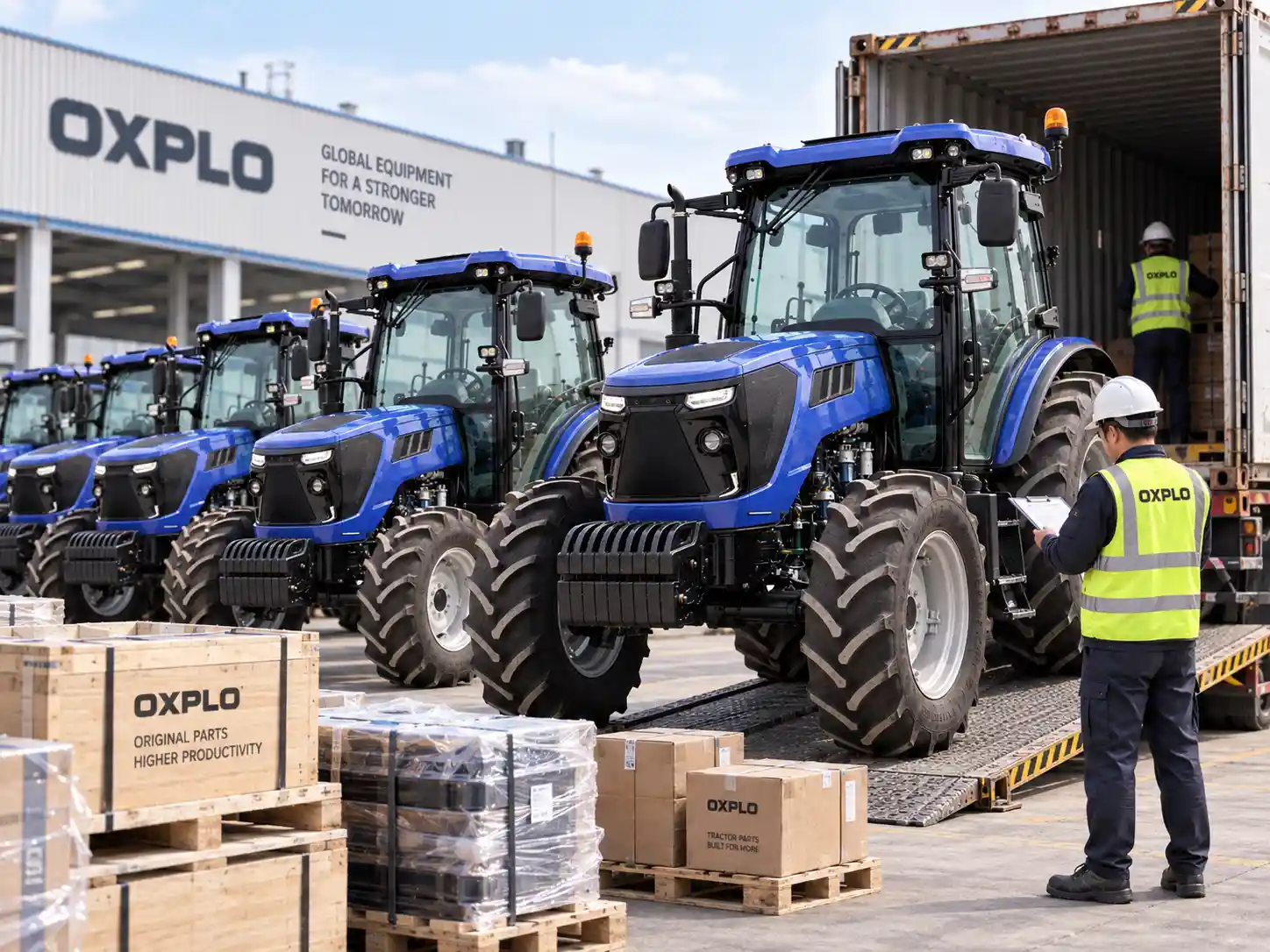
Figure 3. For dealer and fleet orders, batch consistency, shipping checks and spare-parts readiness are part of the commercial product.
XIII. A Practical Evaluation Checklist for a Tractor Manufacturer China
Before paying a deposit, use the following checklist to compare a farm tractor manufacturer or tractor supplier China on the same basis. A supplier does not need to give the answer you expect to every question, but it should be able to give a specific, technically coherent answer and document what will actually be supplied.
Area | Pass Question |
Application fit | Has the supplier reviewed terrain, implements, workload and operating constraints before selecting the model? |
Specification | Is the exact engine, transmission, PTO, linkage, hydraulics, tyres and option list written down? |
Compliance | Are applicable documents tied to the exact model, engine, configuration and destination market? |
Change control | Will material configuration changes be communicated and reconfirmed before shipment? |
Factory process | Are incoming, assembly, functional and final inspection points defined? |
Traceability | Can the delivered serial-numbered machine be linked to its configuration and after-sales records? |
Implement match | Have PTO, linkage, hydraulic, weight and dimension interfaces been checked? |
Pilot validation | Can a trial or pilot order be used to verify the system before scaling? |
Parts support | Can the supplier identify the correct part by model / serial / part number / photo? |
Warranty workflow | Are required claim data, coverage and decision steps clear before purchase? |
Batch readiness | Can the supplier demonstrate how it keeps multiple units consistent? |
Commercial clarity | Do quotation, specification, options, packing, shipping and documentation describe the same order? |
XIV. FAQ for European Buyers Evaluating Chinese Tractor Suppliers
Is the lowest-priced tractor manufacturer China usually the best option?
Not necessarily. Compare normalized specifications and TCO. A lower FOB price can be offset by local rework, downtime, parts freight, warranty labour or a machine that does not match existing implements.
Should I ask only for CE documents?
No. Ask what approval and technical documents apply to the exact tractor, engine, configuration and destination country. For agricultural and forestry tractors, European type-approval and country-specific registration requirements should be checked separately from generic marketing statements.
What should I send a supplier before asking for a quotation?
Send destination country, farm type, terrain, tasks, implement details, expected hours, loader or trailer needs, preferred tyres / cab configuration, order quantity and documentation requirements.
How can I tell whether a tractor factory understands my application?
Look at the follow-up questions. A technically engaged supplier will ask about PTO, linkage, hydraulics, implement weight, terrain, dimensions, workload and market requirements instead of recommending one model solely from horsepower.
Why is a pilot order useful for dealers?
It tests more than the tractor. It tests configuration accuracy, documentation, inspection, packing, spare-parts identification, communication and the supplier’s ability to repeat the agreed build.
How can OXPLO help with a European tractor order?
OXPLO can review the destination country, farm application, implements, horsepower range and configuration needs, then narrow the 25-70 HP range and confirm applicable options, attachment compatibility and available documentation before the final order is approved.
XV. Conclusion: Buy a Manufacturing System, Not Just a Tractor
The best way to evaluate a Chinese tractor manufacturer for European orders is to stop treating the purchase as a comparison of horsepower and price. The real product is a system: application selection, configuration control, compliance verification, repeatable manufacturing, inspection, traceability, spare-parts identification and after-sales communication.
That system determines whether the tractor still makes commercial sense after it arrives in Europe and starts working. For an importer or dealer, it also determines whether one successful machine can become a supportable fleet instead of a growing collection of exceptions.
If you are evaluating a tractor manufacturer China for a European order, send OXPLO your destination country, farm type, existing implements, required tasks, preferred horsepower range and expected quantity. OXPLO can help narrow the appropriate 25-70 HP platform and review PTO, linkage, hydraulics, tyres, attachment requirements and available destination-market documentation before quotation.
Start with: OXPLO Tractor Range | Tractor Configuration & Attachments | Support | Contact OXPLO
Regulatory note
This article is a procurement guide, not legal or homologation advice. European approval, emissions, registration and road-use requirements vary by vehicle category, configuration and country. Confirm current requirements with the relevant authority or qualified homologation specialist before importing or registering a vehicle. Official EU references include Regulation (EU) No 167/2013 and Regulation (EU) 2016/1628.