
Drainage channels silt up. Gravel farm lanes develop ruts. A broken water line needs a short trench, while a barn entrance requires fresh aggregate. Each job appears small until hiring, transporting and scheduling different machines consumes more time than the repair itself.
That is why buyers consider a compact backhoe loader for farms. However, the decision should not start with engine power or maximum digging depth. It should start with the jobs that recur, the conditions under which the machine must work and the cost of completing the whole repair—not merely moving the first bucket of soil.
This guide provides an engineering-led checklist for European farm owners, estate managers, rural contractors and machinery dealers. It explains when a compact machine makes sense, when a specialist excavator is preferable, and which evidence to request before buying.
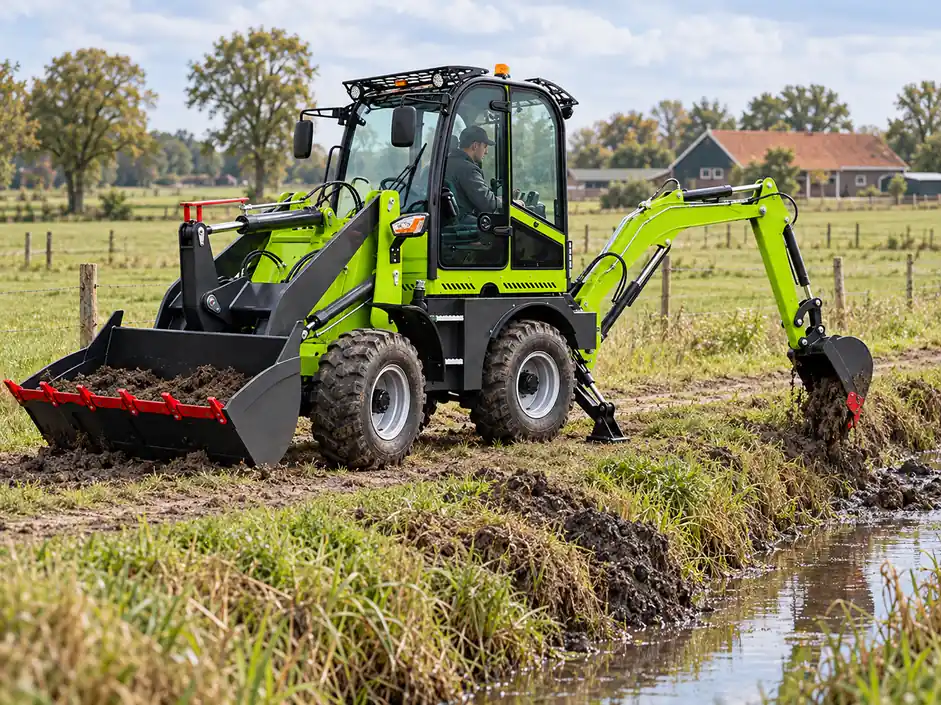
Figure 1. Farm drainage ditch maintenance: a compact backhoe loader removes accumulated soil beside a pasture (illustrative scene).
I. The Real Problem: Farm Repairs Are Small, Dispersed and Time-Sensitive
A blocked drain is an operational problem, not just a water problem
On a livestock farm, standing water near a feed route can soften an unsealed lane under repeated trailer traffic. In a mixed farm, an inaccessible field entrance can delay routine work at the wrong point in the season. Orchards and vineyards present another constraint: a repair may be only a few metres long, but access may be limited by rows, walls and existing irrigation lines.
The visible symptom is rarely the complete diagnosis. Water can remain after a ditch has been cleaned because the downstream outlet is submerged, a culvert is obstructed, or a low point directs runoff away from the intended drain. Excavating deeper upstream cannot correct every outlet problem.
One machine is valuable only if it removes repeated mobilisation
For a contractor handling several rural properties, an invoice is affected by loading the machine onto a trailer, driving between sites, securing the work area, repositioning and clearing spoil. For an owner-operator, downtime may mean lost access to a yard or repeated staff hours. A machine that combines digging and loading may reduce some mobilisation and hand-off costs, but it does not automatically work faster than two purpose-built machines on a large site.
Before comparing models, list the last 12 months of maintenance work and separate it into digging, loading, transport and specialist operations. Buyers searching for farm drainage ditch excavation equipment should start with that task inventory, not a generic request for a “small backhoe”.
II. Three Farm Jobs—and the Limits That Decide Equipment Choice
Job A: Reopen a silted surface drain or repair a culvert approach
The first task is to establish whether the project is maintenance of an existing drain or an alteration of its size, route or discharge. Cleaning sediment out of a ditch does not necessarily require the same excavated volume, permits or restoration as cutting a new ditch. Confirm the location of the outlet, mark the existing invert, inspect culverts, and check where spoil can be placed without blocking access or entering a watercourse.
A compact backhoe loader for drainage is most plausible when the work consists of short sections and the excavated soil also needs moving. Ask whether the rear bucket can reach the intended bottom from a safe support position. If the machine must repeatedly sit close to a failing bank, additional reach on paper will not cure the stability risk. A long, uniform drain across accessible ground may instead favour a dedicated trencher or excavator.
Job B: Repair a rutted yard entrance rather than repeatedly topping it up
A typical failure starts with rutting, followed by a quick layer of new gravel. If a saturated subgrade or failed edge drain remains beneath it, the surface can deform again. A more durable approach is to identify the water source, remove unsuitable material where required, rebuild the approved layers and compact them properly. The rear digging tool can expose the failed section; a front loader can move and spread aggregate. Neither function replaces appropriate compaction equipment or testing.
The commercially important distinction is between reducing equipment changes and claiming that a backhoe loader completes the entire road-repair process. It may reduce the need for a second earthmoving machine while leaving compaction, drainage design and quality control as separate requirements.
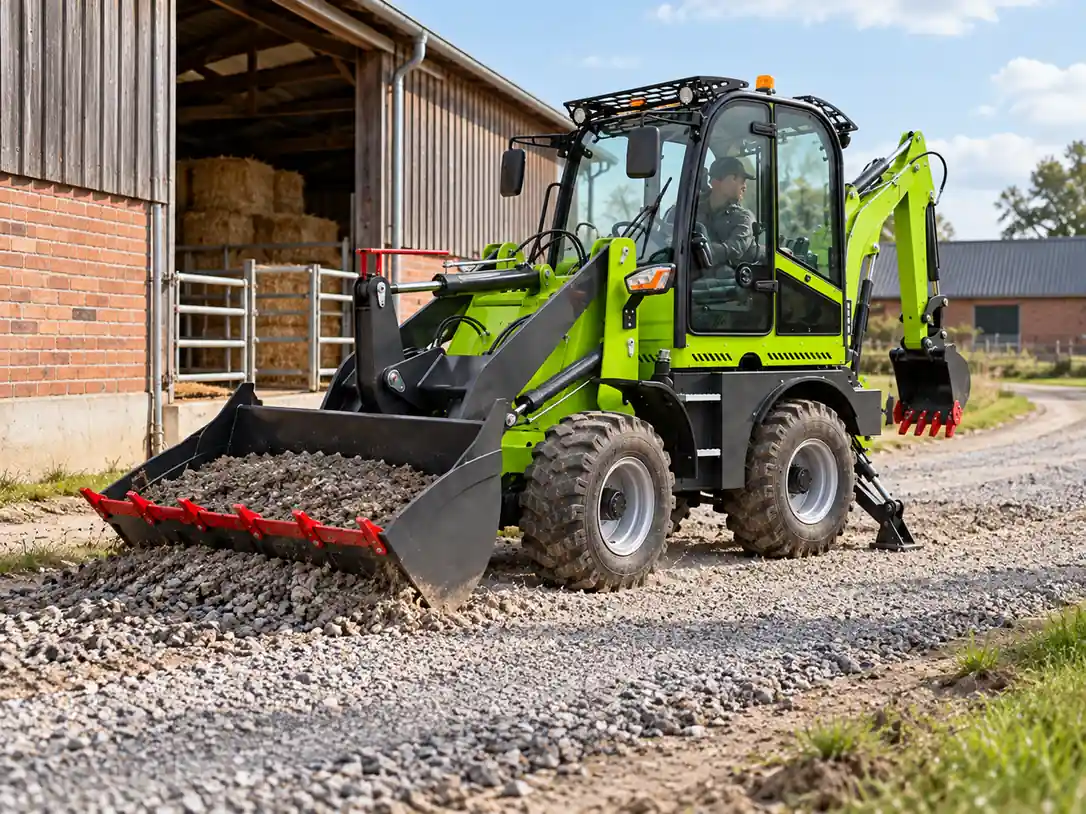
Figure 2. Farmyard gravel repair: the front bucket moves aggregate along a rural access lane (illustrative scene).
Job C: Install a short service trench near a barn or orchard lane
For a water supply or drainage connection, the excavation may be shallow but the site constraints are severe: known and unknown buried services, foundations, livestock barriers, overhead lines and confined access. Here backhoe loader working space matters more than road-travel width alone. Draw the parked machine, deployed stabilisers, working arc, swing clearance, spoil zone and safe pedestrian exclusion area on one plan.
UK HSE guidance on underground services sets out the essentials: plan the work, locate and identify services, then use safe excavation methods. A competent team may need records, detection, trial holes and controlled digging close to exposed services. No bucket dimension makes mechanical excavation near unknown services safe.

Figure 3. Narrow-space trenching beside farm buildings: check stabiliser clearance and underground services before work (illustrative scene).
III. Five Technical Checks That Prevent an Expensive Misfit
1. Start with invert levels and the downstream outlet
Drainage performance depends on an available outlet and a suitable longitudinal gradient, not simply the depth the machine can dig. For illustration, a 24 m run designed at 0.5% fall needs 24 × 0.005 = 0.12 m (120 mm) of elevation change. This is a calculation example, not a universal design gradient: pipe diameter, flow, local standards, erosion and outlet water level determine the actual design.
If the outlet is too high, excavating farther upstream may create a trapped low point. Survey before mobilising. For field drainage, also distinguish surface runoff management from subsurface drainage; their layouts, filters, pipe bedding and discharge requirements differ.
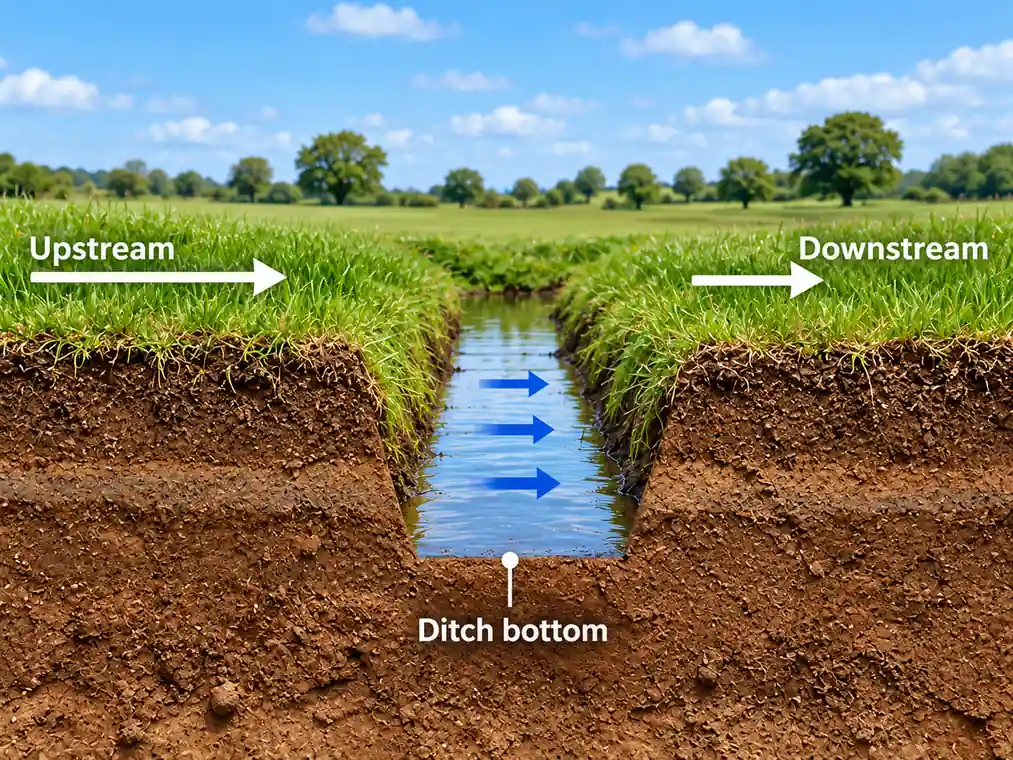
Figure 4. A workable downstream outlet matters more than an impressive maximum digging depth.
2. Use a working envelope, not one maximum-reach number
A published maximum depth and maximum radius normally occur at different points of a machine’s operating envelope. Compact backhoe digging reach must therefore be checked at the required depth, with the equipment parked on an acceptable surface. Request a working-range drawing and confirm bucket geometry, swing clearance and the number of repositioning cycles expected along the ditch.
A good test is to mark a short representative section on a site sketch and ask the supplier to show where the rear bucket will travel, where the machine will stand and where spoil can be deposited. If this cannot be demonstrated, the model specification is not yet a complete answer.
3. Separate traction, bearing pressure and environmental damage
Tyres and drive arrangements affect travel, but stabiliser loading and ground bearing are separate questions. A four-wheel-drive machine may reach a damp field entrance yet still lack a suitable support platform for digging. On wet clay, repeated travel can also cause rutting and compaction that increase the cost of reinstatement. Schedule work during a firmer weather window, create a designed working platform or select another machine when site conditions demand it.
4. Match the bucket to the trench—not the other way round
Overwide excavation adds soil handling, bedding material and reinstatement costs. For a purely illustrative rectangular trench 30 m long and 0.6 m deep, increasing the excavated width from 0.45 m to 0.65 m adds 3.6 m³ of in-situ excavation (30 × 0.6 × 0.20). Actual trenches may require slopes, shoring or wider working room, so this calculation must never be treated as an instruction to excavate unsupported narrow vertical walls.
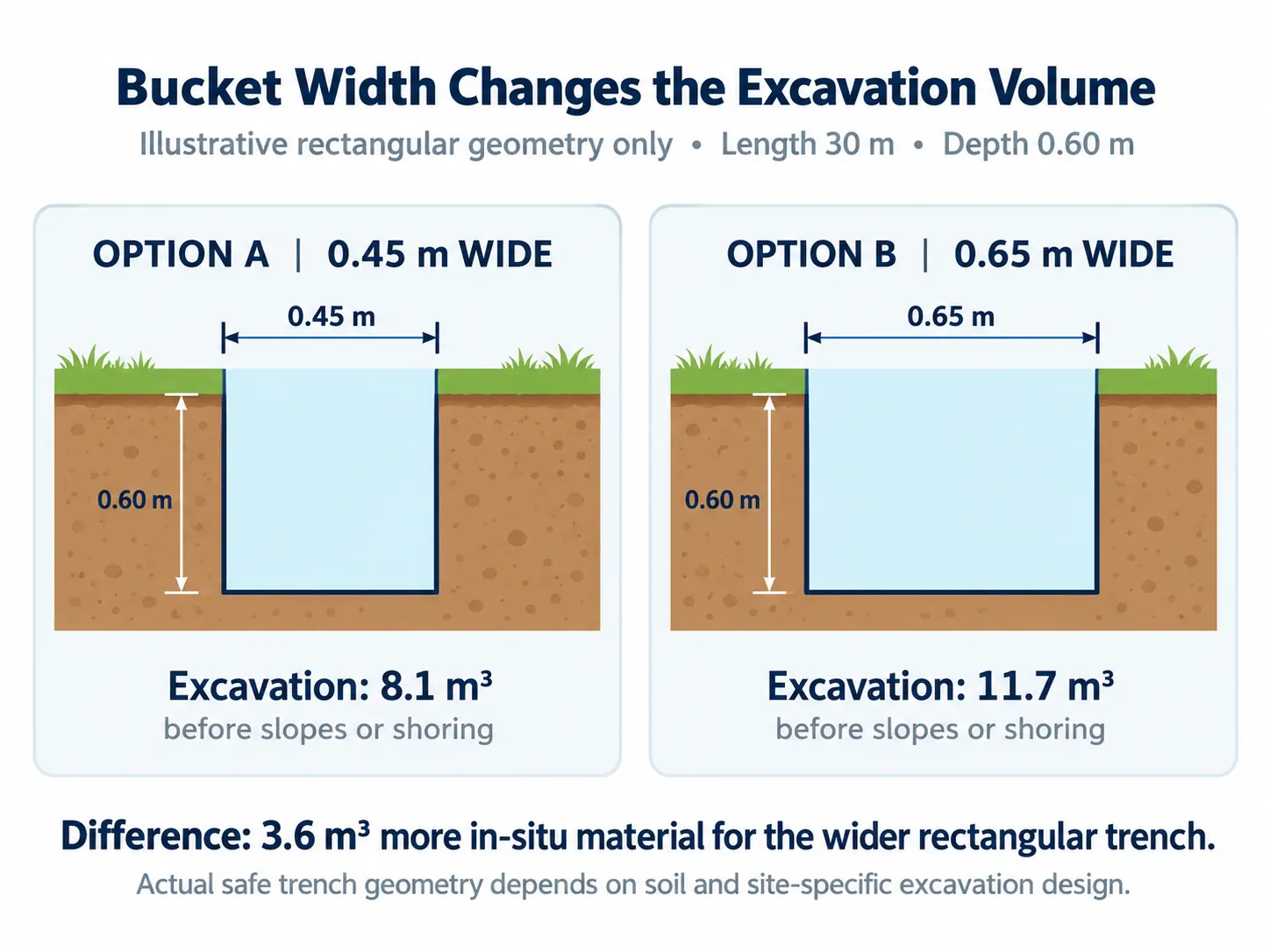
Figure 5. A wider rectangular excavation adds 3.6 m³ of in-situ soil to this 30 m example.
For farmyard trenching equipment, confirm the supplied rear bucket width, tooth arrangement, potential hydraulic-tool connections and compatibility of any alternative bucket. A wider ditch-cleaning attachment may suit one job while a narrow digging bucket suits another.
5. Do not design around an optimistic cycle time
A rear bucket rated at 0.12 m³ does not remove 0.12 m³ of in-situ soil on every pass. Fill factor, soil bulking, machine moves, operator visibility and transport routes all affect production. For a transparent planning scenario, 0.12 m³ nominal capacity × 70% fill × 80 cycles per hour × 60% utilisation gives 4.03 m³ of loose material per hour. At an assumed loose-to-bank volume ratio of 1.25, this is about 3.23 m³ of bank material per hour. All multipliers are illustrative; they are not model test results or a quoted OXPLO performance guarantee.
IV. A Job-Based Field Workflow That Reduces Rework
Stage 1: Diagnose, survey and protect existing assets
Record photos after rain, mark the blocked reach, establish temporary access arrangements and identify any structures whose foundations could be affected. Check utility records and arrange competent service location before excavation. Distinguish a simple maintenance task from work that changes water discharge; watercourse approvals and environmental requirements vary by country and location.
Stage 2: Specify the task in measurable terms
Use a one-page work brief with length, top and bottom levels, required base width, ground conditions, available road width, spoil destination and likely attachment changes. For open ditches, cross-section geometry also matters. A 30 m ditch with a 0.45 m base, 0.6 m depth and hypothetical 1H:1V sides has a geometric excavation quantity of 18.9 m³, compared with 8.1 m³ for a rectangular profile of the same base width and depth. The 1H:1V assumption is only a volume example; a competent designer must decide actual safe slopes and hydraulic geometry.
Stage 3: Plan one safe operating cycle before scaling the job
Mark a stable set-up area, stabiliser footprint, spoil exclusion distance, haul route and any area where people or animals must not enter. Complete a controlled trial section. Check bucket access, actual handling time, stability, invert level and whether material can be loaded without unnecessary rehandling. Stop and revise the method if the first section exposes an unexpected service, unstable edge or unsuitable ground.
Stage 4: Verify repair quality before restoring traffic
For a buried pipe, inspect bedding, alignment, backfill specification and compaction requirements. For a surface drain, check the continuity of fall, available discharge and bank protection. For a repaired yard, verify the specified sub-base and compaction rather than assuming the job is finished once the surface looks level. Keep photos and important levels for later maintenance records.
These steps apply whether the machine is hired or owned. A good work method prevents expensive repeat visits far more reliably than buying additional digging depth that the site does not require.
V. Business Case: Buy a Compact Backhoe or Hire Specialist Equipment?
Compare the cost of the completed repair, not price per machine hour
A farm contractor should evaluate transport and setup, operator time, fuel, attachments, maintenance, spoil handling, reinstatement and rework. An owner should also include depreciation, financing, storage, insurance, availability of parts and the value of having equipment ready for unplanned repairs. More attachments create useful options only where the task mix genuinely uses them.
Consider two hypothetical annual workloads. Farm A has one long drainage project and little routine loading: hiring a specialised excavator may minimise capital tied up. Farm B has several barn-edge trenches, gravel-yard repairs and short ditch jobs throughout the year: a combined digging/loading platform may reduce repeated equipment call-outs. Without documented hours and job costs, neither comparison proves a particular return on investment.
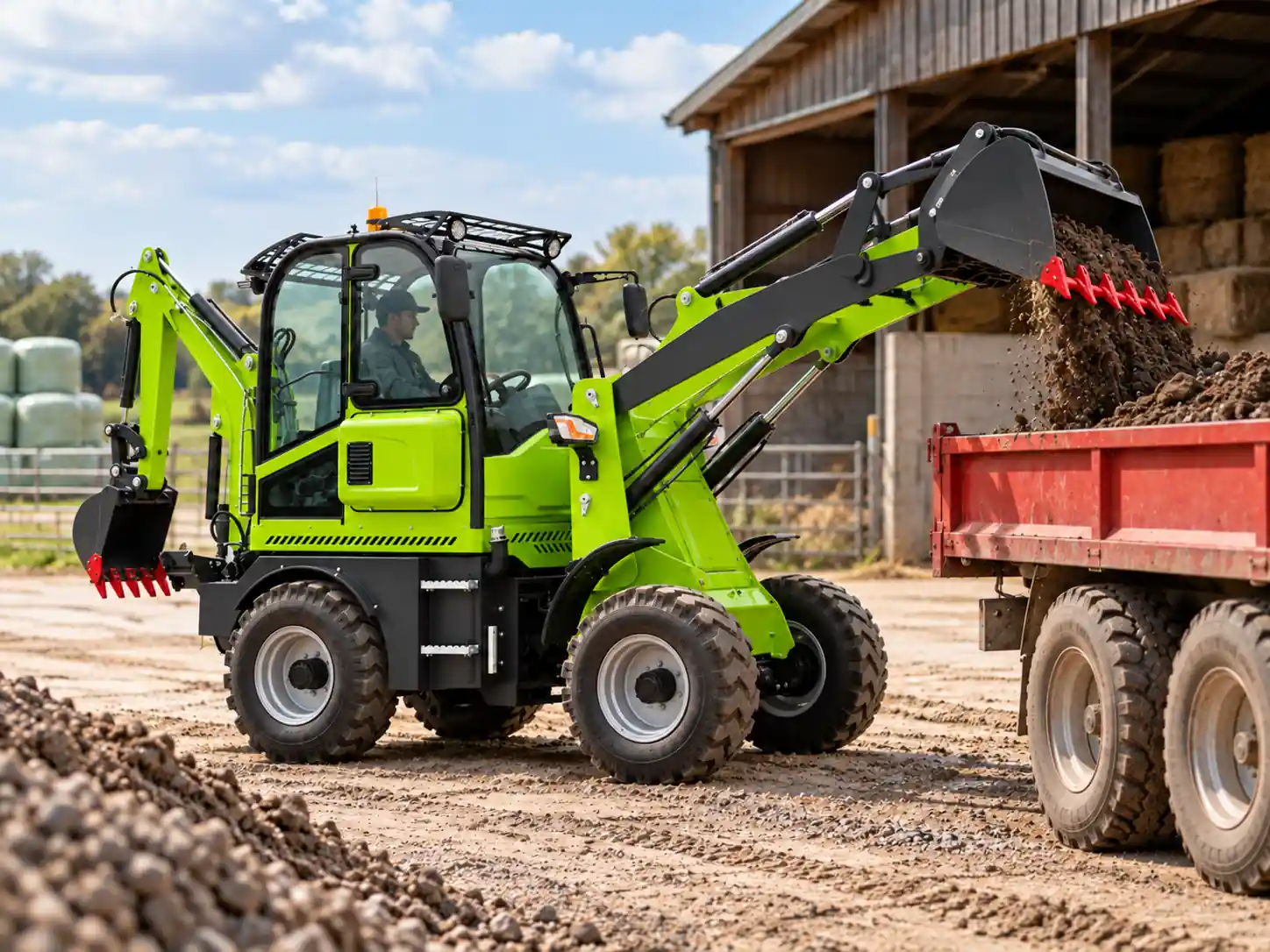
Figure 6. Loading excavated soil into a farm trailer illustrates the handling work that may follow digging; shown as an illustrative scene, not an actual OXPLO field photograph.
Run a 12-month utilisation test
Make a table of past and expected tasks with columns for working hours, mobilisation events, required attachments, surface conditions and outside contractor quotations. Mark jobs that truly require digging, jobs that truly require loading and jobs where both happen sequentially. Then compare the annual cost of purchase with the annual cost of rental or subcontracting. Check service support and lead time before treating the machine as a dependable part of the maintenance programme.
Owners who already use agricultural tractors may also compare whether existing implements can cover the simpler material-handling jobs. A useful starting point is a compact-versus-utility tractor guide. A backhoe loader for farm maintenance should fill a genuine equipment gap, not duplicate work that an existing tractor can safely do.
VI. Where the OXPLO OX15-20 Fits—and Where It Does Not
Match actual OXPLO specifications to the job sheet
OXPLO lists the OX15-20 in its wheeled backhoe loader range for rural property maintenance, loading and light earthwork. Its combined front loader and rear backhoe are potentially useful where a contractor alternates between short excavations and moving loose aggregate or spoil. The starting point should be the OX15-20 product specification, followed by a project-specific review.
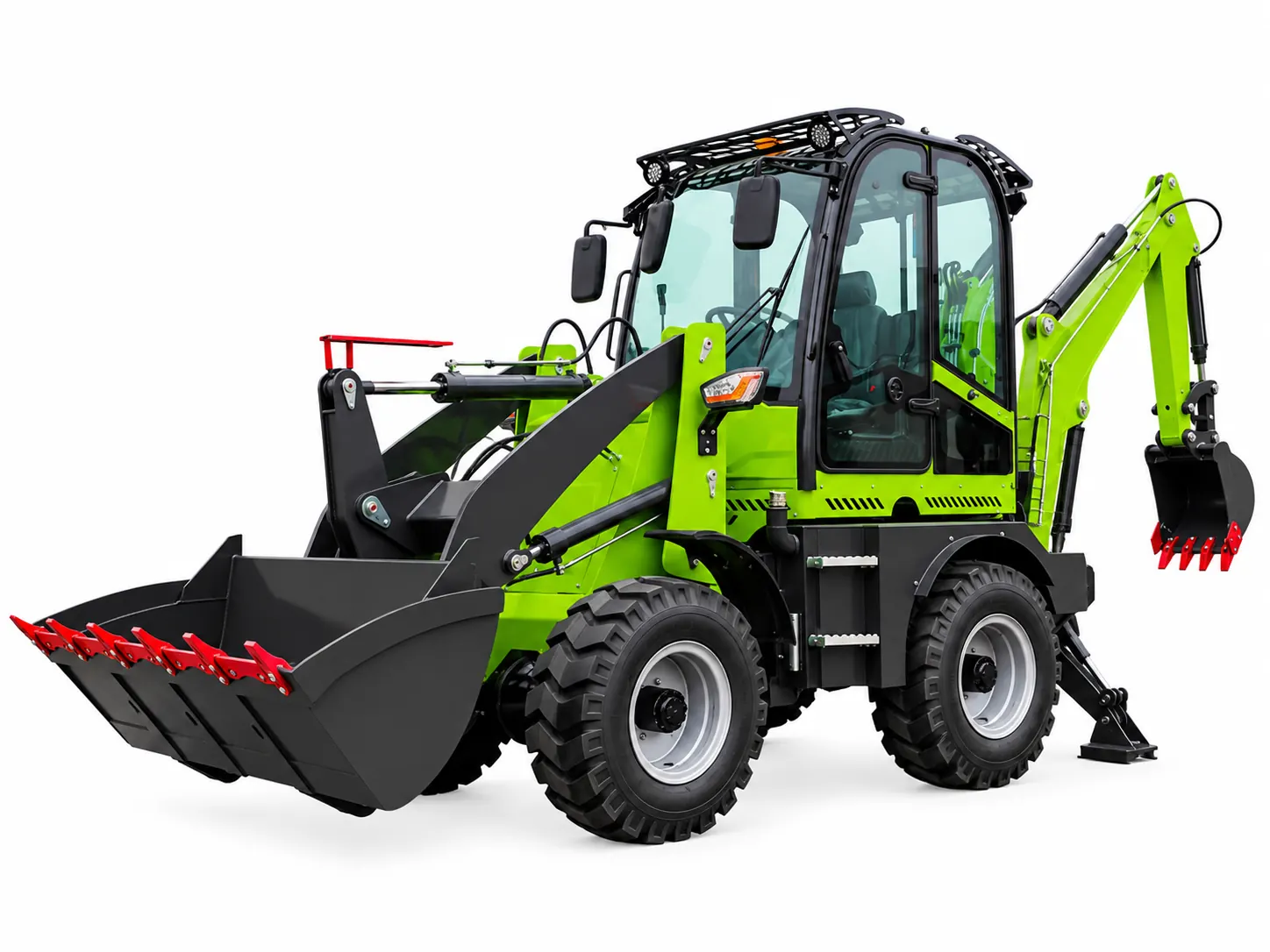
Figure 7. OXPLO compact backhoe loader, shown using the user-supplied product reference image; verify the final machine specification before ordering.
Published OX15-20 specification | Value | What the buyer must still check |
Overall dimensions | 5,905 × 1,680 × 2,700 mm | Gate access, transport route, attachment overhang and stabiliser width |
Operating weight | 3,400 kg | Trailer compliance and bearing conditions at each set-up position |
Maximum digging depth | 2,350 mm | Effective reach at specified trench depth |
Maximum digging radius | 3,500 mm | Spoil location, operating envelope and safe setback |
Rear bucket width / capacity | 420 mm / 0.12 m³ | Trench geometry, alternative bucket fit and actual cycle time |
Front bucket capacity | 0.6 m³ | Gravel, spoil and material-handling workload |
Drive type | Four-wheel drive | Traction separately from support stability |
These figures are published model data, not a promise of productivity, approval or suitability for every European farm. In particular, the 1,680 mm overall width is not the required digging corridor width: deployed stabilisers, boom swing, barriers and spoil handling may need substantially more room. The OXPLO backhoe’s maximum depth also cannot be assumed to coincide with its maximum horizontal reach.
What the OXPLO package can solve in practice
For a farm that repeatedly removes a short damaged road section and then brings in replacement stone, the OXPLO front bucket and rear digging equipment offer a way to combine those two earthmoving stages. For scattered ditch outlets and yard trenches, the OXPLO OX15-20 may reduce the number of different machines that have to be scheduled. The benefit is fewer potential hand-offs—not a guarantee that the machine beats a dedicated excavator on a continuous digging contract.
Attachments can broaden the work list, but only after the connection interface, hydraulic flow, loads and approved configuration have been confirmed. OXPLO lists options such as quick couplers, buckets, augers and pallet forks on its attachments and support page. These catalogue options should not be assumed to fit every OX15-20 build or to be included in the base price.
Cases where OXPLO should recommend a different approach
If the customer needs a long, repetitive trench, very soft terrain, deep excavation outside the proven working envelope or large-volume aggregate loading, a purpose-built machine may be the stronger choice. For larger open yards, OXPLO also describes outdoor-yard material handling applications as a separate task category. OXPLO also presents farm tractor models and wider agricultural handling applications; these help buyers separate routine towing and handling tasks from true backhoe work. Selecting the correct platform is more credible than selling a backhoe to every farm.
VII. European Purchasing Checklist and Frequently Asked Questions
Buyer checklist: request evidence before accepting the quotation
Ask the OXPLO team to review the job brief against the actual machine configuration. Their complete equipment catalogue and company background provide useful starting context, but commercial documents must identify what is supplied for the intended country.
- Job definition:site photos, typical trench length/depth, width and the volume of spoil or aggregate handled annually.
- Working envelope:machine transport width, stabiliser footprint, rear boom range and site clearances.
- Ground and safety:access surface, support bearing conditions, buried utilities and overhead hazards.
- Attachments:standard bucket widths, optional couplers, hydraulic requirements and written compatibility.
- EU/UK market entry:applicable machinery conformity documents, engine-emissions evidence, language of manuals and destination-specific checks.
- Road movement:whether public road travel is intended; local registration, insurance and transport obligations.
- Service readiness:consumable part numbers, spare-part arrangements, maintenance instructions and support process.
- Total landed cost:machine and attachments, shipping terms, taxes, transport and commissioning obligations.
As of October 2026, machinery first placed on the EU market generally remains under the EU Machinery Directive 2006/42/EC; Regulation (EU) 2023/1230 becomes mandatory on 20 January 2027. Engine compliance under the applicable non-road mobile machinery rules is a separate check. Do not infer CE or Stage V compliance for the OXPLO OX15-20 simply from a general website badge or a different product’s certificate. Obtain model-, engine- and market-specific evidence. UK requirements must also be considered separately.
OXPLO discusses shipping arrangements and sets out general warranty conditions online. Obtain the actual warranty schedule, parts responsibilities, Incoterms and documentation list in writing for the ordered OXPLO configuration.
Q1. Is a compact backhoe loader for farms suitable for drainage maintenance?
A1. Often for short and dispersed repair tasks with both digging and loading. Confirm the ditch section, safe set-up positions, outlet levels and actual reach first. Long, uniform trenching may favour specialised plant.
Q2. Can the OXPLO OX15-20 work in a narrow farm passage?
A2. Its listed transport width is 1,680 mm, but that is not enough to approve the work. Check stabilisers, swing space, spoil placement and building clearance using the site drawing and the OXPLO operating envelope.
Q3. Does four-wheel drive make the backhoe suitable for wet fields?
A3. No. Traction is only one factor. Surface bearing, stabiliser loading, rutting, operator safety and the condition of adjacent drains still govern the method.
Q4. Which documents should an EU distributor request?
A4. Confirm the exact supplied model and engine, applicable conformity assessment and declarations, emissions approval evidence, manuals, labels and importer responsibilities. OXPLO should provide or identify the specific documentation applicable to the agreed configuration; the buyer must independently verify its market-entry suitability.
Q5. How should a dealer evaluate the parts and support commitment?
A5. Request a consumables list, serial-number-based parts identification, lead times, troubleshooting contacts and warranty claim steps. The OXPLO support resources explain how to prepare technical requests; the exact scope should be agreed commercially.
Q6. What should I send to OXPLO for an accurate offer?
A6. Send the destination country, typical tasks, measured access width, maximum required dig depth, soil and drainage conditions, expected annual hours and desired attachments. This helps OXPLO confirm whether the OX15-20 is a realistic choice rather than issuing an unqualified quotation.
VIII. Conclusion: Buy for the Job Mix, Not the Headline Specification
A compact backhoe loader for farms earns its place when its two working ends solve recurring, practical problems: reopening a short drain, excavating a failed yard section, moving aggregate and restoring everyday access. The best selection process begins with levels and outlets, then tests safe access, working envelope, trench geometry, job frequency and lifecycle costs. If those gates fail, a different machine or rental plan is the more responsible recommendation.
OXPLO’s OX15-20 provides a documented starting point for mixed digging and loading applications, supported by an OXPLO range of attachments and equipment-sourcing resources. Before ordering, compare the actual model specification with your site sketch, obtain destination-market documentation, and agree the parts and delivery plan. To discuss a particular rural maintenance project, visit the OXPLO homepage or send the OXPLO team your job details.