
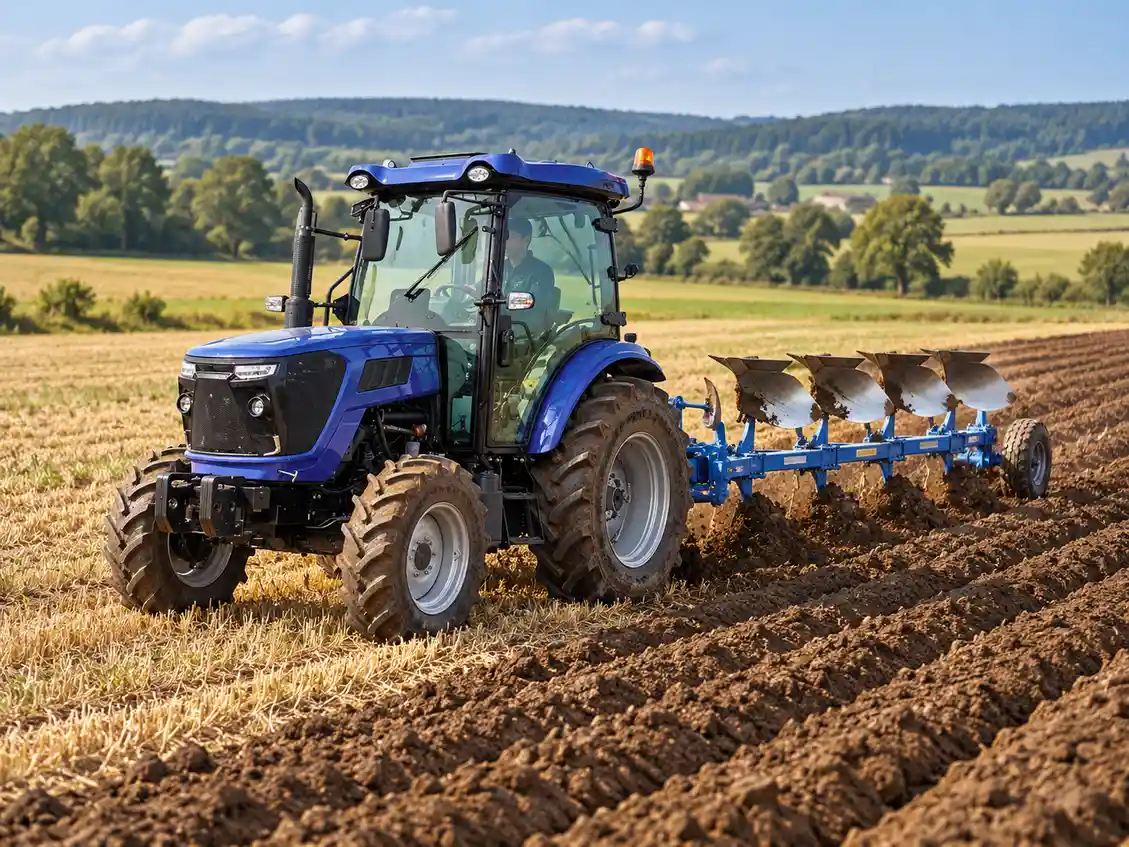
A practical European buyer’s guide to soil draft, traction, implement compatibility, field capacity and 25–70 HP tractor selection
A tractor for ploughing should be purchased as part of a working system—not as an engine with a horsepower label. The wrong combination may look affordable on paper yet lose working days through wheel slip, unstable depth, damaged soil structure and excessive fuel use. This guide shows how farm managers, contractors and equipment distributors can test the assumptions before ordering.
I. The European Farming Problem: A Narrow Window and an Expensive Mistake
Workable field days matter more than peak HP
Across European arable and mixed farms, the window between harvest, rainfall and autumn sowing may be narrow. On cohesive soils, an implement that stalls or loses traction can turn a manageable field operation into several extra days of work. The damage is not limited to diesel consumption: delayed cultivation can disrupt drilling schedules, while repeated passes over wet soil may compact or smear the profile. These risks vary by region, year and field, so buyers should not rely on a generic “European soil” assumption.
First ask how many hectares must be ploughed in the available workable days, what depth is agronomically justified, and whether the tractor also handles mowing, transport and other jobs. The most valuable machine is not necessarily the one with the largest advertised plough.
Avoid the three common purchasing shortcuts
Do not match furrow count to horsepower alone. Do not assume 4WD eliminates traction losses. And do not equate a low hourly fuel rate with a low cost per hectare. Soil condition, actual working speed, implement geometry and lift capacity can overturn each shortcut.
II. How Much Tractor HP Does a Plough Really Need?
Start with draft resistance, not a sales brochure
A simple screening estimate for draft is F = q × B × d, where F is horizontal pull in kN, q is assumed specific soil resistance in kN/m², B is working width in metres and d is working depth in metres. q is highly dependent on soil moisture, tool geometry, speed and condition; it must be treated as an assumption unless measured in the field.
Example: for two 35 cm furrows at 22 cm depth with an assumed 60 kN/m² specific resistance, F = 60 × 0.70 × 0.22 = 9.24 kN. At an actual speed of 5 km/h, useful horizontal pulling power is P = F × v / 3.6 = 12.83 kW, roughly 17.2 mechanical HP. This is NOT the engine power required.
If a preliminary combined engine-to-useful-pull efficiency of 55% is assumed, the associated engine output is about 23.3 kW (31.3 HP). A further 20% screening allowance suggests roughly 37.5 HP. Neither the efficiency nor the allowance is a published OXPLO performance rating; verify with supplier specifications and representative field trials.
Specific resistance* | Draft at 0.70 m × 0.22 m | Engine HP at 5 km/h, 55% |
40 kN/m² | 6.16 kN | 20.9 |
60 kN/m² | 9.24 kN | 31.3 |
80 kN/m² | 12.32 kN | 41.7 |
100 kN/m² | 15.40 kN | 52.1 |
*Sensitivity scenario only. Figures do not include a sizing reserve or represent an approved model-to-plough pairing.
Working depth is a commercial decision
Moving from 20 to 25 cm increases the nominal soil cross-section engaged by 25%, even before considering changes in soil strength. Confirm whether the proposed depth supports the agronomic objective; do not deep-plough simply because a tractor can pull harder. A soil pit and compaction diagnosis may identify a different intervention.
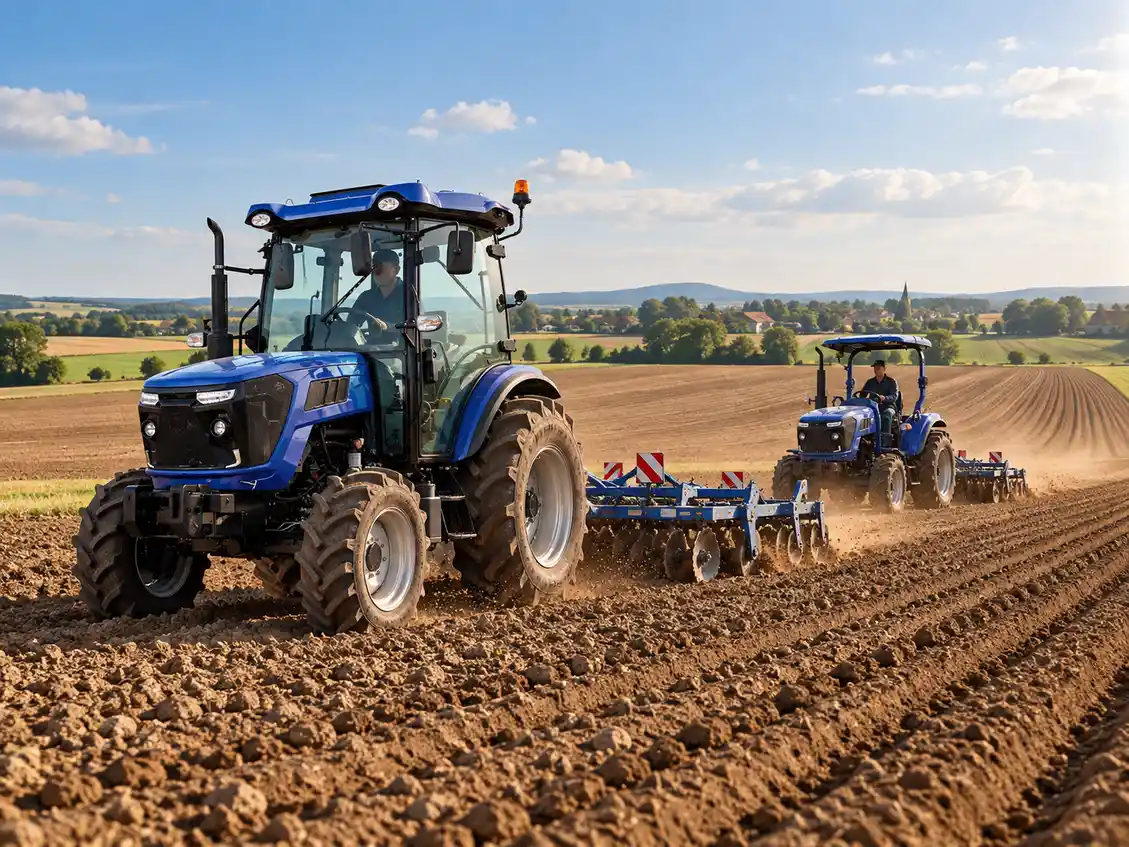
Figure 1. Mouldboard engagement makes depth, residue and soil resistance visible.
III. Working Width: Why a Bigger Plough Can Finish Later
Calculate effective hectares per hour
Effective field capacity (ha/h) = width (m) × actual speed (km/h) × field efficiency / 10. Headland turns, overlap and short irregular plots all reduce efficiency. Compare two hypothetical setups: a 0.90 m plough at 5.0 km/h with 75% field efficiency delivers 0.338 ha/h; a 1.05 m plough slowed to 3.8 km/h delivers only 0.299 ha/h. On 20 ha, that is about 59 versus 67 field hours.
The wider implement can lose despite its greater nominal coverage. A buyer should therefore insist on actual speed under load, acceptable slip and stable working depth—not a furrow-count claim.
Implement geometry changes the answer
Ask whether the equipment is a mounted mouldboard, reversible mouldboard or disc plough. Record the actual working width per body, furrow count, intended depth, implement mass, hitch category and hydraulic needs. For a mounted implement, rear-lift figures measured at link ends cannot be treated as capacity at the plough centre of gravity. PTO speed is generally not the main power requirement for passive mouldboard ploughing, unlike a powered rotary tiller.
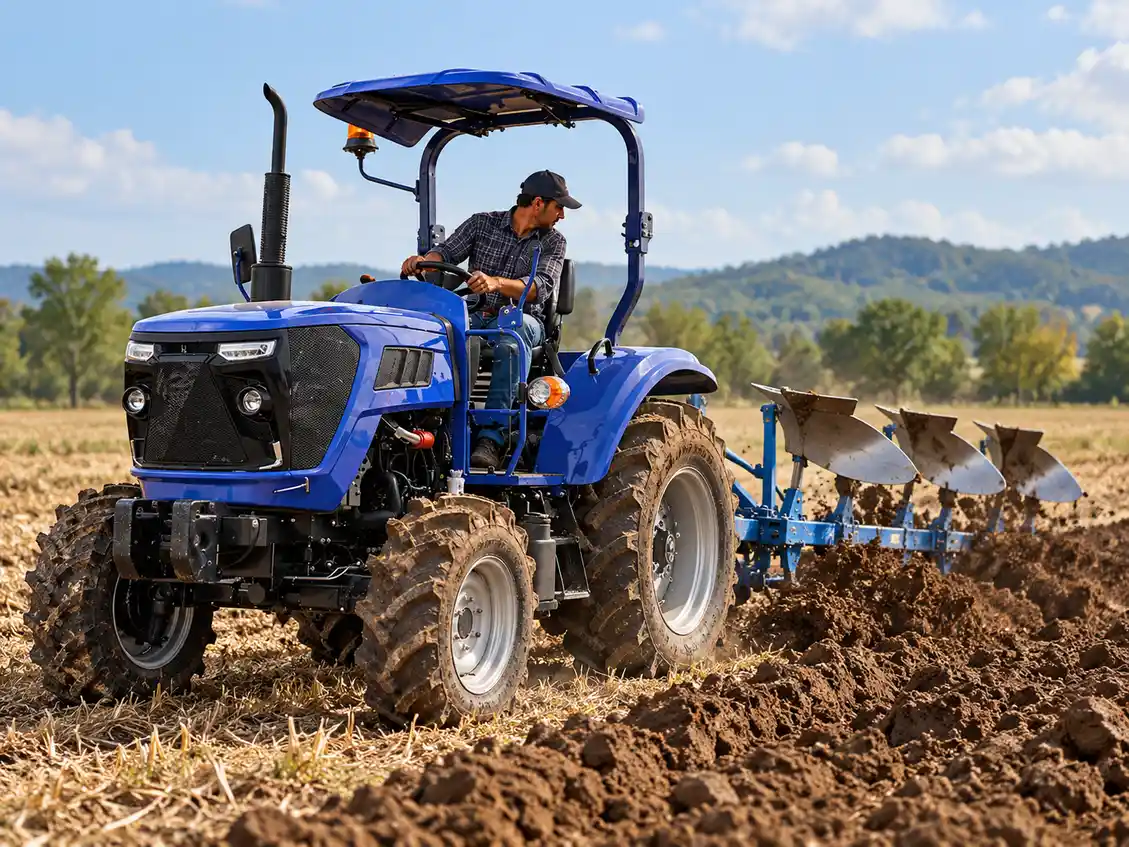
Figure 2. Plough body count alone does not define draft or implement compatibility.
IV. Traction, Slip and Ballast: Solve the Actual Limitation
Distinguish engine overload from lost traction
If engine rpm collapses while tyre grip remains good, power demand may exceed available output. If rpm holds but the tyres spin, more engine HP might not help. Measure wheel slip from theoretical versus actual speed; for example, 5.5 km/h theoretical and 4.8 km/h measured is about 12.7% slip. The acceptable range depends on tyre type and surface, so use it as a diagnosis, not a universal pass/fail threshold.
Check tyre load/pressure recommendations, front axle loading, ballast and the first-furrow setting. Incorrect ballast adds compaction and rolling resistance; incorrect plough alignment adds side draft. Four-wheel drive can improve usable traction, but cannot rescue an oversized implement in unsuitable field conditions.
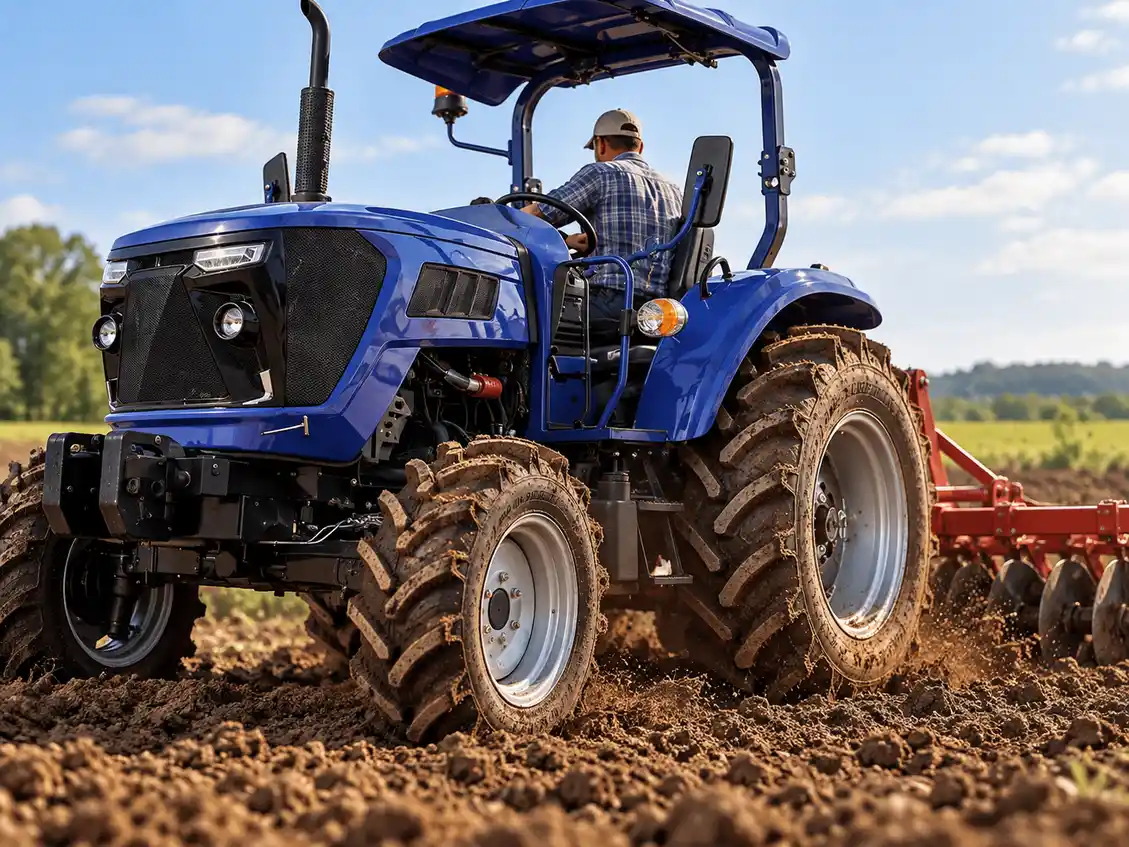
Figure 3. Tractor tyres and contact with the soil are part of the pulling-power equation.
V. From Fuel per Hour to Total Cost per Hectare
Measure cost where the crop is produced
Fuel per hectare equals fuel consumption per hour divided by effective field capacity. An illustrative 7.5 L/h at 0.338 ha/h is 22.2 L/ha, whereas 8.0 L/h at 0.299 ha/h is 26.8 L/ha—around 21% higher per hectare. These are scenarios, not field-test claims for any OXPLO tractor.
A procurement model must also incorporate depreciation, finance, maintenance, shares and wearing parts, operator time, tyre replacement and transport or idle hours. Dealers should ask prospective customers for annual usage rather than quoting an isolated purchase price. Multi-task use—ploughing, mowing, spreading, material movement and hauling—may be decisive for smaller European farms.
VI. Worked Decision: A 20-Hectare European Mixed Farm
Start with the customer’s implements
Assume a farm needs autumn ploughing over 20 ha and seasonal pasture work. It owns a two-body mounted plough, but has not yet confirmed its hitch category, actual body width, mass or required draft. Selecting 50, 60 or 70 HP before checking those details is premature. First record depth, soil moisture, local draft estimate and completion deadline. Then confirm the lift load and hitch category from the implement plate and manual.
Test scenarios rather than choosing the largest
If the plough is within Category I compatibility, draft is modest and access through narrow gateways is important, a compact 50 HP platform deserves consideration. If the existing implement is Category II, or the farm regularly switches between heavier soil-preparation equipment and mixed-farm work, a Category II 60 HP or 70 HP candidate should be reviewed. The jump to 70 HP is justified only if field draft, speed targets and annual utilisation make use of the additional rated power.
In each case the farm should complete a representative field pass, log actual speed, slip and fuel, and evaluate time to complete the whole 20 ha. This protects the buyer against an apparently strong tractor that cannot maintain depth or lift the selected plough safely.
VII. Where OXPLO’s Tractor Configurations Fit
OXPLO OXT504: compact access with 50 HP
The OXPLO OXT504 is listed with 50 HP, 4WD, an 8F+8R transmission, Category I rear linkage and 1,560 mm width. It is relevant where a European mixed farm wants a compact 4WD tractor that can perform soil preparation alongside grassland, PTO and transport tasks. The limitation is important: confirm Category I implement compatibility, lifting geometry, ballast and draft rather than assuming every two- or three-furrow plough is suitable.
Further reading: OXPLO OXT504 50 HP product specifications
OXPLO OXT604: the Category II step-up
The OXPLO OXT604 is listed with 60 HP, 12F+12R, 4WD and Category II linkage. Its 2,010 mm wheelbase and 2,500 kg published weight place it in a larger utility platform than the OXT504. This may be valuable where implement compatibility and selectable working ratios matter more than maximum horsepower alone. Verify plough weight and actual hydraulic lift performance in the ordered configuration.
Further reading: OXPLO OXT604 60 HP product specifications
OXPLO OXT704: additional power, not unlimited pull
The OXPLO OXT704 offers 70 HP, 4WD, 12F+12R and Category II rear linkage. The added rated engine output may be appropriate for higher draft or recurring mixed-farm workloads. However, the OXT604 and OXT704 have comparable published utility-platform dimensions, so OXPLO should not promise a larger lift capacity or guaranteed wider plough solely from the engine rating. Field traction, tyres, lift performance and soil resistance remain limiting variables.
Further reading: OXPLO OXT704 70 HP product specifications
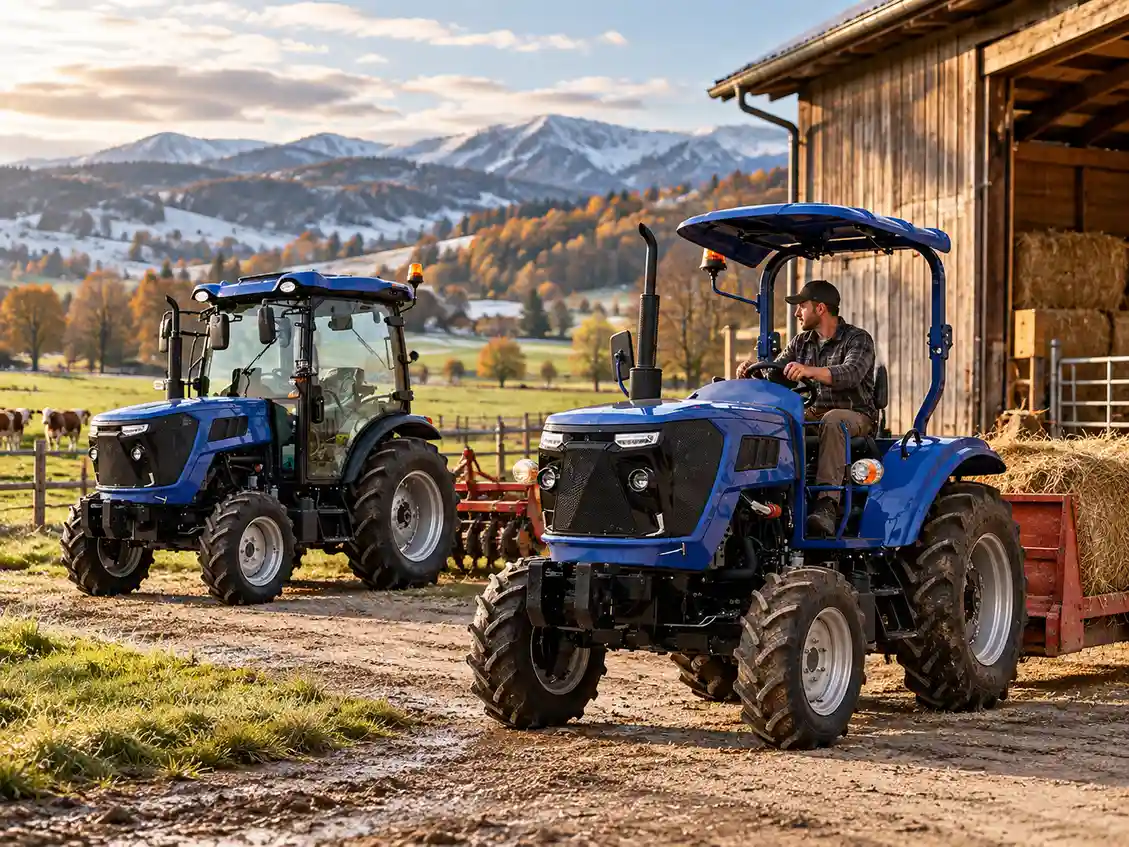
Figure 4. Mixed farms frequently need one tractor for fieldwork, travel and general-purpose duties (generic illustrative image, not an OXPLO product photograph).
OXPLO’s practical selling point is a range of compact and utility 4WD configurations, allowing buyers to shortlist the tractor around the implement and wider annual workload. OXPLO customers can request a specification review including the selected plough, tyres, rear linkage, operator station and destination requirements before approving the final quotation.
Further reading: Explore OXPLO agricultural tractors
Further reading: View OXPLO farm machinery and support
VIII. European Buyer Checklist: Compliance, Delivery and Acceptance
Regulatory paperwork is configuration-specific
For European importers, ask which machinery and vehicle approval provisions apply to the actual product and intended use. EU Regulation 167/2013 sets a framework for type approval of agricultural and forestry vehicles, but a generic CE statement is not a substitute for checking tractor approval, emissions requirements and destination-country registration. Do not presume every OXPLO tractor variant has every document: obtain model- and market-specific evidence in writing before paying a deposit.
Put the acceptance criteria into the RFQ
Include operating country, terrain and soil, annual hectares, plough type and weight, number and width of bodies, target depth, required completion period, tyre configuration, hitch category, transmission specification and required regulatory documents. Request the delivered configuration, spare-parts list, warranty terms, lead time and Incoterms. Compare landed cost on a common basis—an EXW quote and a delivered quote are not directly comparable.
Further reading: OXPLO company website and contact
IX. Frequently Asked Questions
What tractor HP for plough is appropriate for a two-furrow implement?
It depends on furrow width, soil draft, working depth and speed. A 40–60 HP tractor may be a candidate for some moderate applications, but a field-based draft check and manufacturer rating must determine suitability.
Will a 4WD tractor always plough faster?
No. 4WD can improve traction, but speed is constrained by implement draft, ground condition, correct ballast, tyre settings and engine output.
Can a 50 HP plough tractor operate a three-furrow plough?
Only if the specific implement, soil resistance, rear hitch, lifting geometry and actual traction requirements support the combination. Do not use furrow count as the sole compatibility test.
What is a useful ploughing speed?
Speed depends on soil and tool design. A moderate range around 4–7 km/h may be a starting point for conventional mouldboard work, but the implement manufacturer and field trial determine the correct speed.
Does OXPLO supply Category II tractors?
OXPLO lists Category II rear linkage for the 60 HP OXT604 and 70 HP OXT704. Confirm the exact attachment interface and hydraulic lift specification at quotation.
What documents should European importers request?
Ask for the precise emissions, type-approval/conformity, operator protection, braking, lighting and registration documentation applicable to the ordered model and destination country. Availability must be confirmed, not assumed.
X. Conclusion: Select the Working System, Not Just the Engine
The most suitable tractor for ploughing is the one that maintains depth, appropriate speed and traction while completing the required hectares inside the available cultivation window. Match horsepower to draft, then verify implement width, rear linkage, tyre setup, slip, lift capacity and whole-season operating economics. Larger numbers on the brochure do not guarantee more hectares per day.
For European dealers and farm buyers, OXPLO offers 50–70 HP 4WD configurations that can be assessed against different soil-preparation and mixed-farm requirements. Share your plough model, field conditions, annual workload and importing country with OXPLO so the proposed configuration and documentation can be checked before an order is placed.
Further reading: Discuss a tractor configuration with OXPLO