
Practical buying guide for Polish and European farms
A search for “tractor for sale Poland” usually begins with three numbers: horsepower, price and delivery cost. Those numbers matter, but they are not enough to make a sound agricultural investment.
For many Polish farms, a new tractor is not a clean-sheet purchase. It has to fit an existing working system: mowers, ploughs, rotary tillers, trailers, gateways, barns, field access, seasonal labour and maintenance routines. A tractor can look attractive in a quotation and still become expensive if its PTO does not match an existing implement, its linkage category forces an attachment change, its dimensions make farmyard access awkward, or its documentation is not confirmed for the intended European configuration.
The Polish market makes this especially relevant. According to Statistics Poland, more than 1.2 million farms used 14.7 million hectares of utilised agricultural area in 2023; 50.5% of holdings had no more than 5 ha, while the average farm area was 11.9 ha. This structure means the same tractor class may be used very differently—from compact property maintenance and orchard work to mixed farming, livestock handling and seasonal field operations.
The buying question is not “Which tractor has the most horsepower for my budget?” It is “Which tractor configuration can complete my recurring work, fit my existing implements and remain supportable over its service life?”
I. A Tractor Must Fit the Farm System You Already Have
When farmers compare an agricultural tractor Poland offer, the first mistake is often to treat the tractor as an isolated machine. In reality, it sits in the middle of a system. Change one part of that system and the cost can move elsewhere.
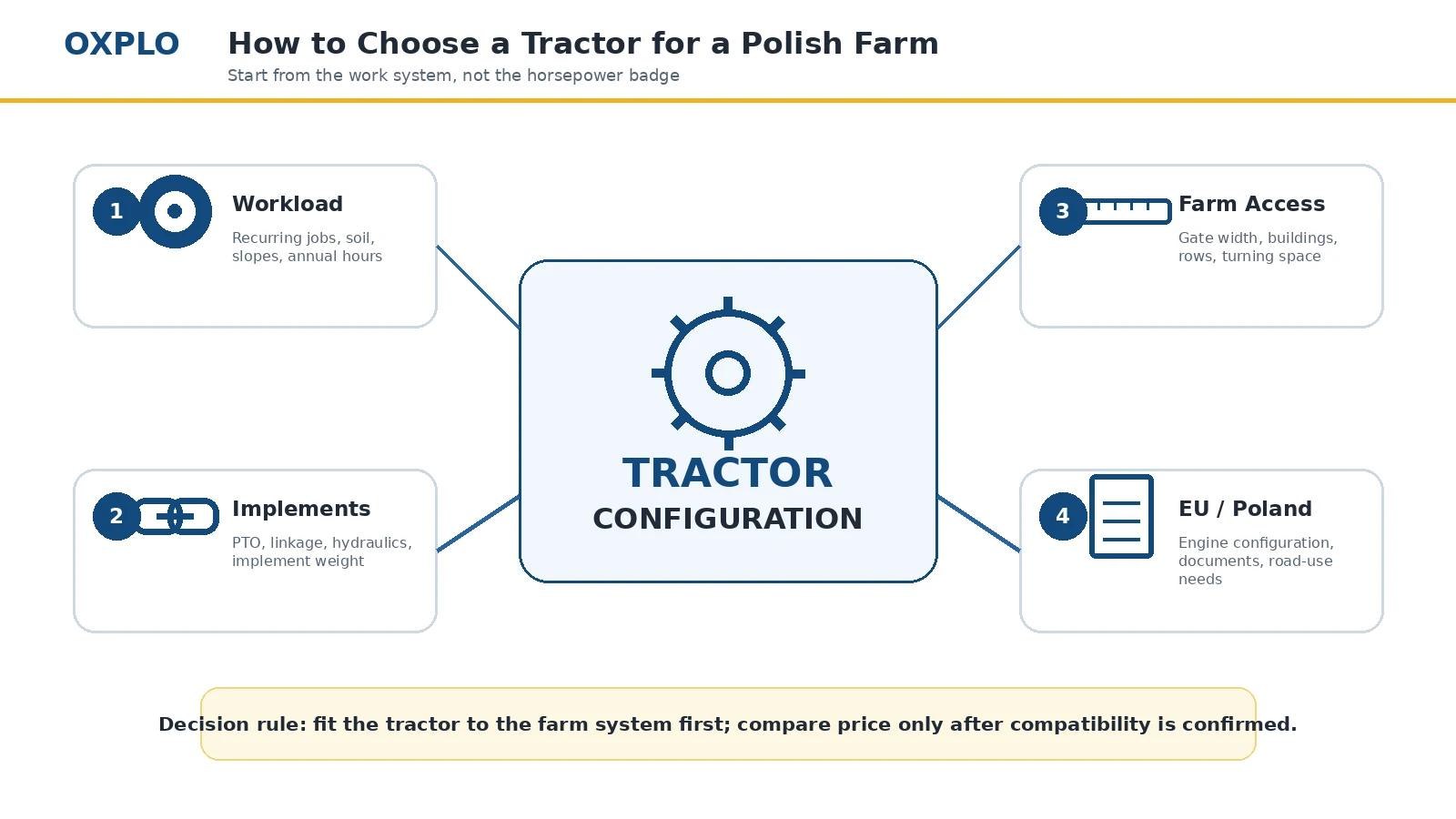
Figure 1. Tractor selection should begin with workload, implements, farm access and European-market requirements.
The hidden cost of changing tractor class
Imagine a farm currently operating a 35–40 HP tractor with Category I implements, a 540-rpm mower, a compact rotary tiller and a small trailer. The owner wants more productivity and starts comparing 60 HP machines. The extra engine output may be useful, but the decision is not simply “20 more horsepower.” Moving into a larger tractor class can also mean a different linkage category, larger tyres, more chassis mass, a different turning envelope and attachments designed for a heavier platform.
That may be exactly the right move if the farm has outgrown the compact platform. But if most existing implements are still suitable and access around buildings remains tight, changing the whole implement ecosystem can create cost without solving the real bottleneck.
Start with the limiting job, not the average job
A tractor should be sized around the most demanding recurring operation—not the lightest job and not an exceptional job that happens once every few years. For one farm, the limiting task may be pulling a tillage implement in heavy soil. For another, it may be PTO demand during mowing. For a livestock operation, the practical limit may be loader stability and hydraulic performance rather than engine horsepower.
This distinction matters because two farms with the same acreage can justify different machines. Soil type, field slope, travel distance, implement width, crop cycle and the available weather window can all change the tractor requirement.
A simple pre-buy workload map
Operation | What to Record | Why It Changes the Tractor Decision |
Mowing / Grassland | Working width, PTO speed, material density, terrain | Determines PTO reserve, speed control and traction needs |
Soil Preparation | Implement type, working depth, soil condition, field size | Determines draft requirement, ballast and useful gear ratios |
Trailer Transport | Typical load, gradients, road use, travel distance | Affects chassis, braking, tyres and transport configuration |
Loader / Bale Work | Load type, lift cycle frequency, yard conditions | Affects hydraulics, stability, ballast and front-axle loading |
Orchard / Estate Work | Row spacing, gateways, canopy, turning room | Makes physical dimensions as important as horsepower |
II. Four Expensive Mistakes Behind Many “Tractor for Sale Poland” Purchases
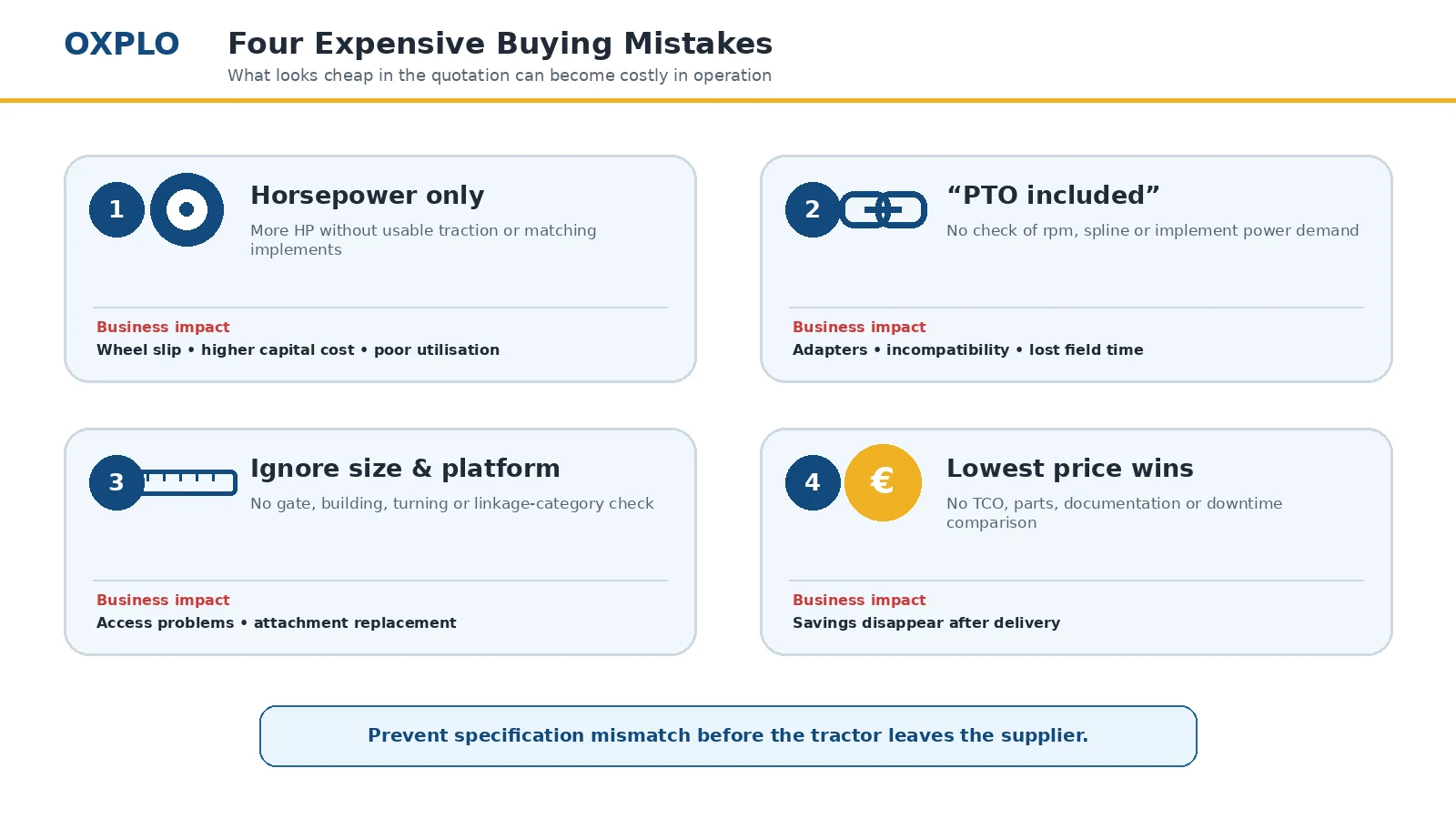
Figure 2. Four purchasing errors that often create higher operating cost after delivery.
Mistake 1: Buying horsepower without checking usable traction
Engine power does not automatically become field productivity. A tractor with more horsepower can still perform poorly if tyre selection, ballast and weight distribution do not allow that power to reach the ground. Excessive wheel slip wastes fuel and time; excessive ballast adds unnecessary mass, rolling resistance and soil loading.
This is why 4WD is valuable for wet fields, grassland, uneven tracks, winter conditions and loader work—but 4WD is not a substitute for correct tyres and ballast.
Mistake 2: Asking only “Does it have PTO?”
PTO compatibility is one of the easiest problems to prevent before purchase and one of the most frustrating to discover after delivery. The buyer should confirm PTO speed, spline, implement power requirement and engagement configuration against each important powered implement.
Correct workflow: implement requirement → PTO speed and spline → tractor configuration → final confirmation. Not: “PTO included?” → “Yes.” → order.
Mistake 3: Treating three-point linkage as a minor detail
The linkage category determines much more than whether an implement can physically be attached. It influences the size and weight class of the equipment the tractor is expected to carry. Moving from a compact Category I platform to a larger Category II platform can be a rational upgrade, but it should be a deliberate system decision.
Mistake 4: Comparing only the machine quotation
A low purchase price can be misleading if the comparison excludes delivery terms, configuration changes, parts lead time, service consumables, attachment replacement and downtime. A tractor that costs less on the invoice can cost more over the season if a small unavailable component stops work during a critical field window.
When evaluating a tractor for sale Poland listing, ask what happens after delivery: Which filters, belts, seals, bearings and common service parts are available? What information is required to identify the correct part? How are technical problems diagnosed? These questions belong in procurement, not only in after-sales discussions.
III. Build the Tractor Specification From the Job Backwards
1. Engine reserve: enough margin, not maximum possible power
An implement’s minimum horsepower recommendation should not automatically become the tractor specification. Field demand changes with soil moisture, working depth, slope, crop density and travel speed. Some reserve helps the operator maintain working speed without running continuously at the edge of available output.
Oversizing, however, has its own cost: more capital tied up in the machine, potentially higher tyre costs, greater weight and poorer manoeuvrability during light work. The target is usable reserve for the farm’s real high-load operations.
2. Transmission: count useful ratios, not brochure gears
A transmission should provide useful speeds for the operations the farm actually performs. Cultivation needs controlled low-speed work; mowing benefits from stable ground speed at the required PTO condition; loader work benefits from practical forward/reverse control; transport needs appropriate road-speed ratios.
Two tractors with similar rated power can therefore feel very different in daily work. A few extra horsepower may add less productivity than a transmission that better matches the farm’s operating speeds.
3. Hydraulics: check the work cycle, not just lift capacity
For loader and hydraulic attachment users, ask about flow, pressure, available outlets, connection type and valve arrangement. A tractor can have enough engine power and still feel slow in material-handling work if hydraulic cycle performance does not match the job.
4. Dimensions and weight: measure the farm before ordering
European buyers sometimes focus on field performance and forget the places where the tractor must pass every day. Measure gateway width, barn door height, row spacing, headland space and any narrow access roads. These figures should be checked against the actual supplied tyres, cab or protective structure—not only a generic catalogue drawing.
5. Existing implements: make an interface matrix
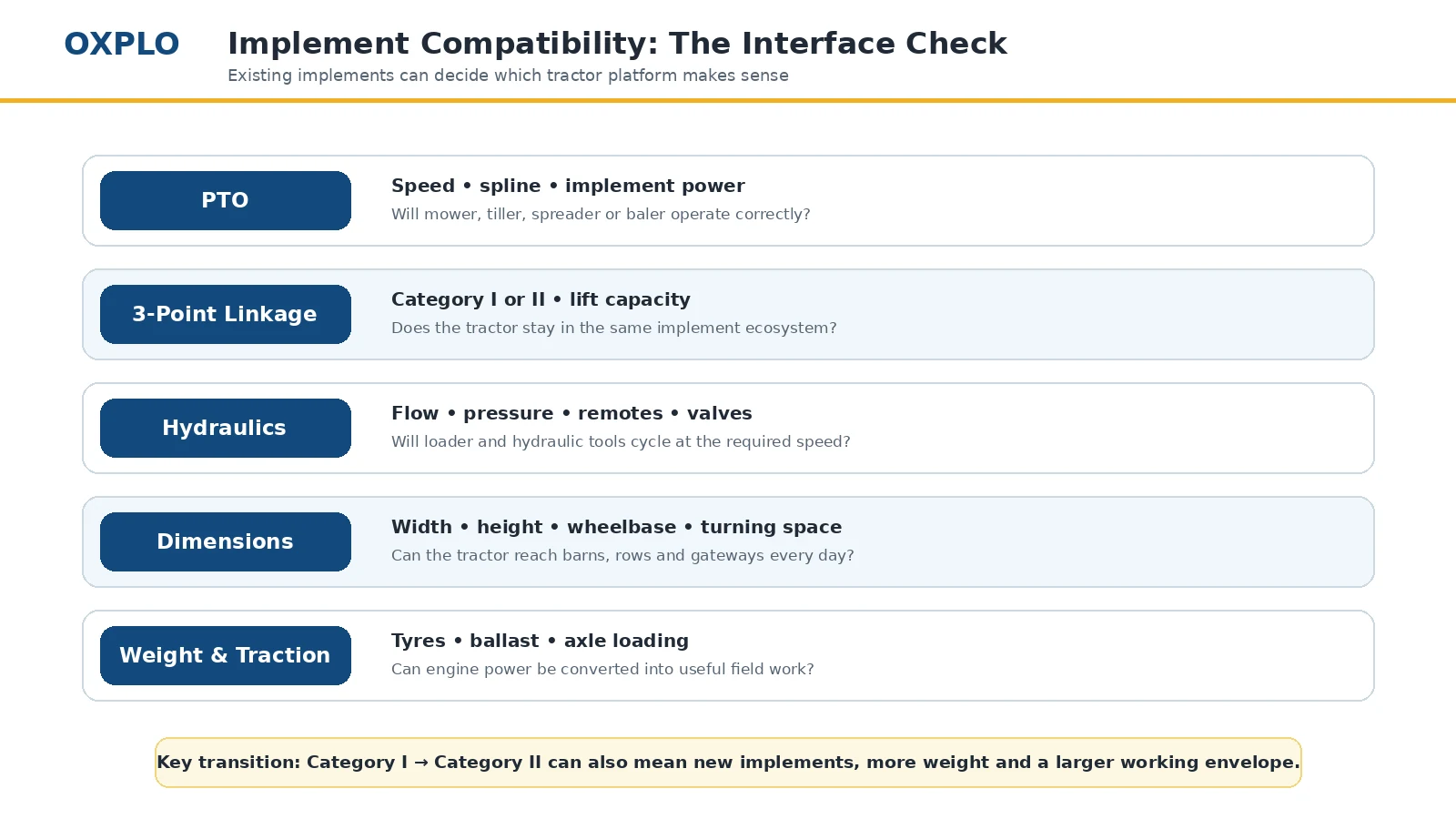
Figure 3. The main interface checks before matching a tractor to existing farm implements.
Implement | Confirm Before Ordering |
Mower / Flail Mower | PTO rpm and spline, HP demand, linkage category, implement weight |
Rotary Tiller | PTO requirement, working width, draft/load, linkage, tractor stability |
Plough / Harrow | Draft requirement, linkage category, tractor weight and traction |
Trailer | Load, hitch interface, braking/road configuration, tyre and terrain suitability |
Front Loader / Bale Fork | Hydraulic connection, loader geometry, ballast, axle load, attachment type |
IV. The Lowest Tractor Price Is Not Always the Lowest Cost
A serious farm tractor Poland comparison should move beyond the invoice price and use a Total Cost of Ownership framework. The calculation does not need to be complicated; it needs to be complete enough to expose the costs that a simple quotation hides.
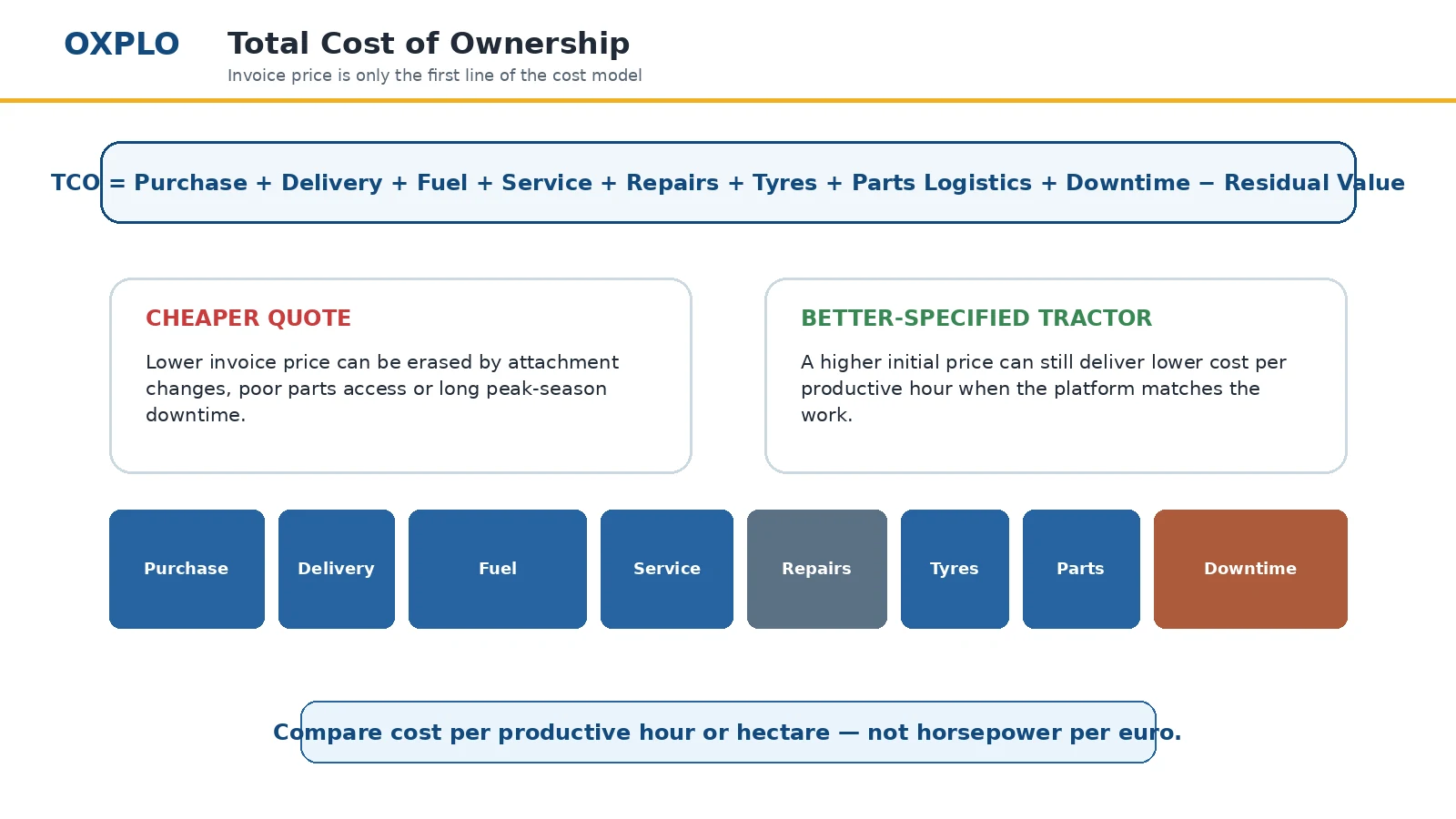
Figure 4. A tractor quotation should be evaluated as part of total ownership cost, not as an isolated purchase price.
TCO = Purchase + Delivery + Financing + Fuel + Scheduled Service + Repairs + Tyres + Parts Logistics + Downtime − Residual Value
Undersizing creates visible operational losses
A tractor that is technically capable but consistently overloaded may require lower field speeds, frequent downshifting and longer hours to complete the same seasonal job. If the machine cannot finish work inside a suitable weather window, the indirect cost may be more important than the saving achieved at purchase.
Oversizing creates quieter but persistent costs
An oversized tractor may complete the work comfortably but carry unused capability for most of the year. The farm pays for the larger chassis, tyres and capital base even when the machine is mowing, spraying or moving light trailers.
Downtime is a procurement variable
A small part can stop a large machine. For imported equipment, the critical question is not only the price of the component but how quickly the correct component can be identified and supplied. Record the machine model and serial number, keep maintenance history, and confirm parts support before the first busy season.
Think in cost per productive hour
If a larger tractor consumes more fuel per hour but completes recurring work significantly faster, it may still reduce cost per hectare or cost per completed task. Conversely, buying capacity that is rarely used can worsen economics. The useful comparison is productivity divided by total ownership cost—not horsepower divided by purchase price.
V. European Compliance and Polish Road Use Must Be Confirmed Before Shipment
For a buyer importing a tractor into Poland, documentation is part of the technical specification. It should be checked before the deposit and confirmed again before shipment.
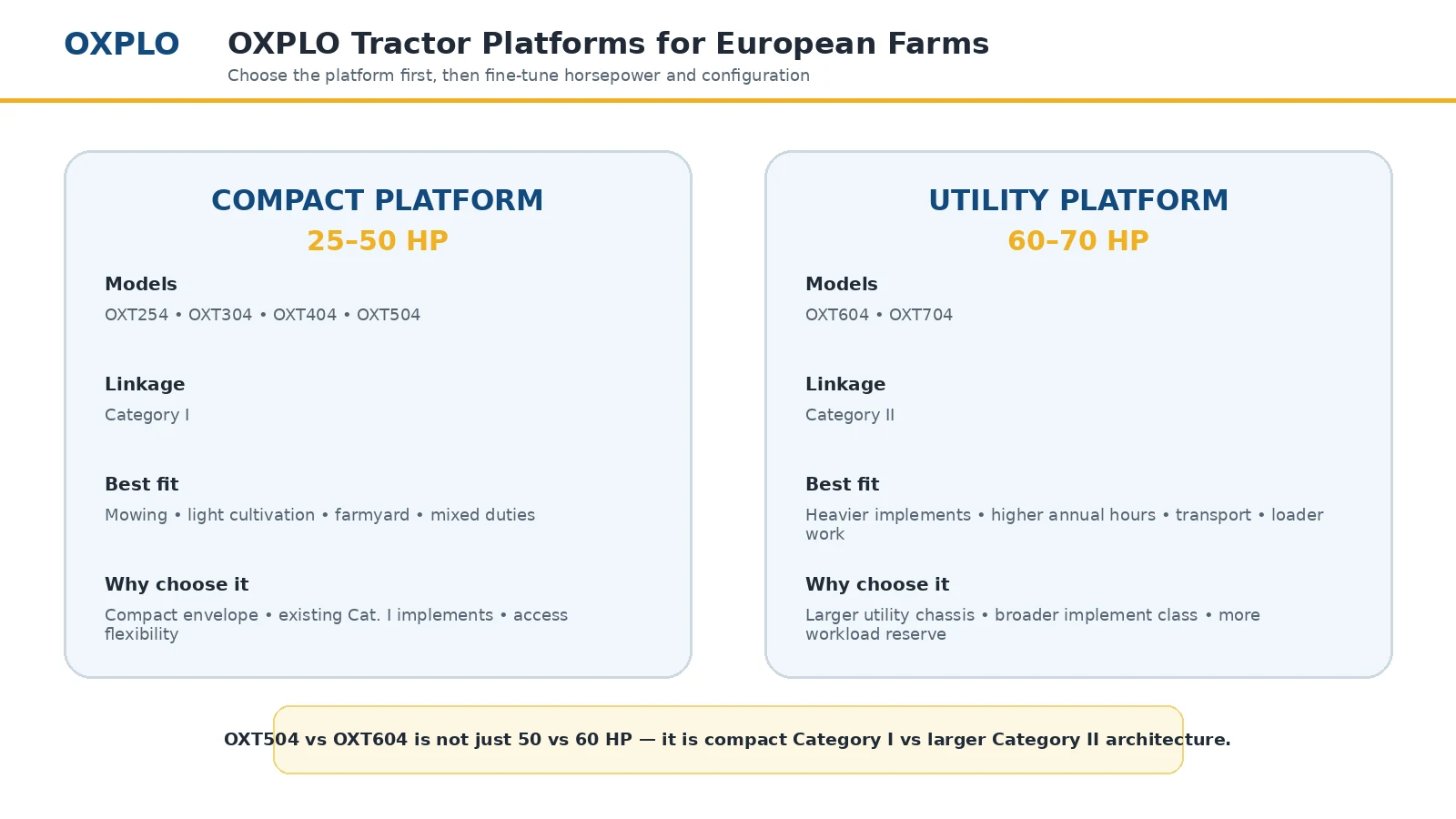
Figure 5. European-market configuration and documentation should be checked against the exact tractor before shipment.
The European Union’s Regulation (EU) No 167/2013 establishes the type-approval framework for agricultural and forestry vehicles, including wheeled and tracked tractors. The practical implication for a buyer is simple: a vague statement such as “CE available” is not enough to close the documentation discussion.
For European buyers, “CE available” should begin the documentation discussion, not end it.
Ask model-specific questions
- Which exact tractor model and engine configuration is being supplied?
- Which emissions configuration applies to the selected engine?
- Which conformity or type-approval documents are available for that exact configuration?
- Do the serial number, engine, tyres, cab/operator-protection equipment, lighting and braking configuration match the paperwork?
- Is the supplied configuration intended for Poland and the planned use?
- Which documents will be supplied before the machine leaves the factory?
Polish road use also needs to be considered. The Polish Ministry of Infrastructure states that vehicle registration is required for admission to public-road traffic, including agricultural tractors. Buyers should therefore confirm the current registration, technical-inspection and documentation requirements for their specific transaction before shipment.
This matters most when specifications are changed during ordering. An engine, tyre, cabin, lighting or braking change may alter the documentation that needs to be confirmed. The configuration in the quotation, the machine being produced and the documentation package should describe the same tractor.
VI. How OXPLO Turns the Buying Checklist Into a Tractor Configuration
Only after the workload, implement interfaces, access limits and destination-market requirements are clear does the model comparison become useful. This is where OXPLO’s 25–70 HP tractor range should be treated as a set of working platforms rather than a row of horsepower numbers.
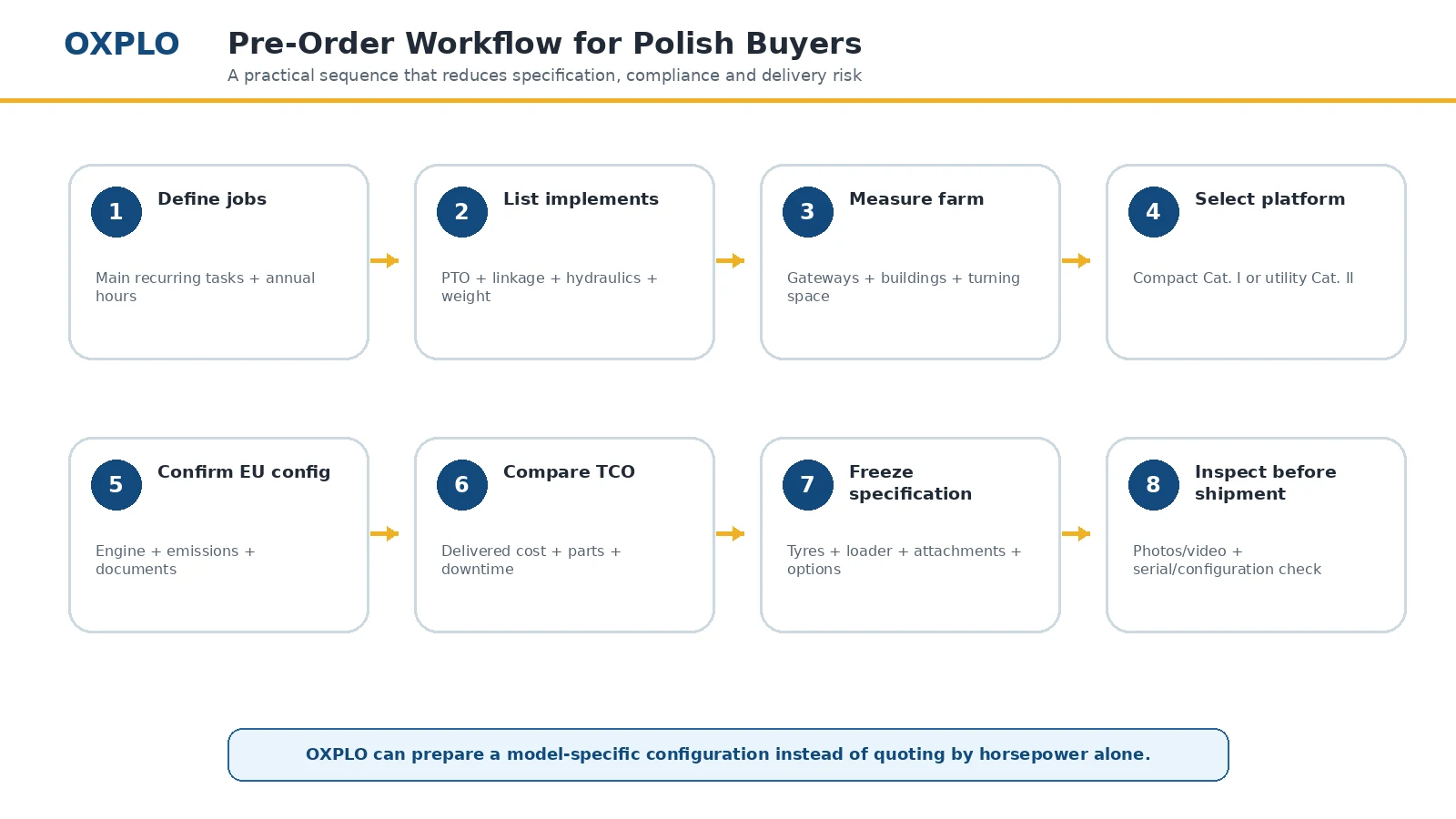
Figure 6. OXPLO compact Category I and utility Category II platforms serve different farm systems, not merely different horsepower bands.
The OXPLO European tractor configuration page currently groups six 4WD models from 25 to 70 HP and lists up to 48 attachment options for different farm tasks. More importantly, OXPLO’s ordering workflow calls for PTO/linkage confirmation, hydraulic and tyre matching, attachment compatibility checks, model-specific CE-related document confirmation and pre-shipment photos or videos.
OXPLO compact platform: 25–50 HP
The OXT254, OXT304, OXT404 and OXT504 form the compact end of the OXPLO tractor range. This group is relevant when a farm values manageable dimensions, Category I implement compatibility and mixed duties such as mowing, lighter cultivation, transport and property maintenance.
For example, the OXPLO OXT504 50 HP 4WD tractor is the highest-powered model in OXPLO’s compact chassis group. OXPLO currently lists it with 50 HP, 4WD, an 8F + 8R transmission, Category I linkage and a 1,560 mm listed width. That combination is useful for a buyer who needs more power reserve but still wants to retain a compact physical envelope and Category I implement system.
OXPLO utility platform: 60–70 HP
The step from OXPLO’s 50 HP compact platform to its 60–70 HP utility platform is more than a horsepower increase. It changes the working architecture.
The OXPLO OXT604 60 HP 4WD utility tractor is listed with a 12F + 12R transmission, Category II linkage, a 2,010 mm wheelbase and approximately 2,500 kg listed weight. That makes it relevant for farms that have outgrown the compact Category I system, need broader implement compatibility or have higher recurring workloads.
The OXPLO OXT704 70 HP 4WD tractor continues the larger Category II utility architecture with 70 HP, 4WD and a 12F + 12R transmission. It is a stronger fit where the farm needs more reserve for mixed field work, transport, compatible Category II implements and optional material-handling tasks.
A useful OXPLO buying boundary is not simply 50 HP versus 60 HP. It is compact Category I architecture versus a larger Category II utility platform.
OXPLO should be configured around the existing farm—not the other way around
When requesting an OXPLO quotation, send the destination country, primary applications, annual operating hours and the implements the tractor must use. OXPLO can then check horsepower, PTO, linkage, hydraulics, tyres, loader requirements and available European-market documentation before the order is finalised.
For attachment selection, the OXPLO Support page specifically asks buyers to provide the equipment model, tractor horsepower, connection dimensions, hydraulic requirements and intended application. That is the right logic: attachment appearance is not a compatibility test.
OXPLO also states that selected EU Stage V engine configurations may be available depending on the model and engine supplier. Polish and other European buyers should therefore ask OXPLO to confirm the exact engine model, emissions documentation and destination-market configuration in the final specification rather than assuming one configuration applies to every OXPLO tractor.
VII. A Pre-Order Checklist for Anyone Planning to Buy Tractor Poland
Before you compare final quotations, send the same information to each supplier. A consistent specification request makes price comparison much more meaningful and exposes where important items have been omitted.
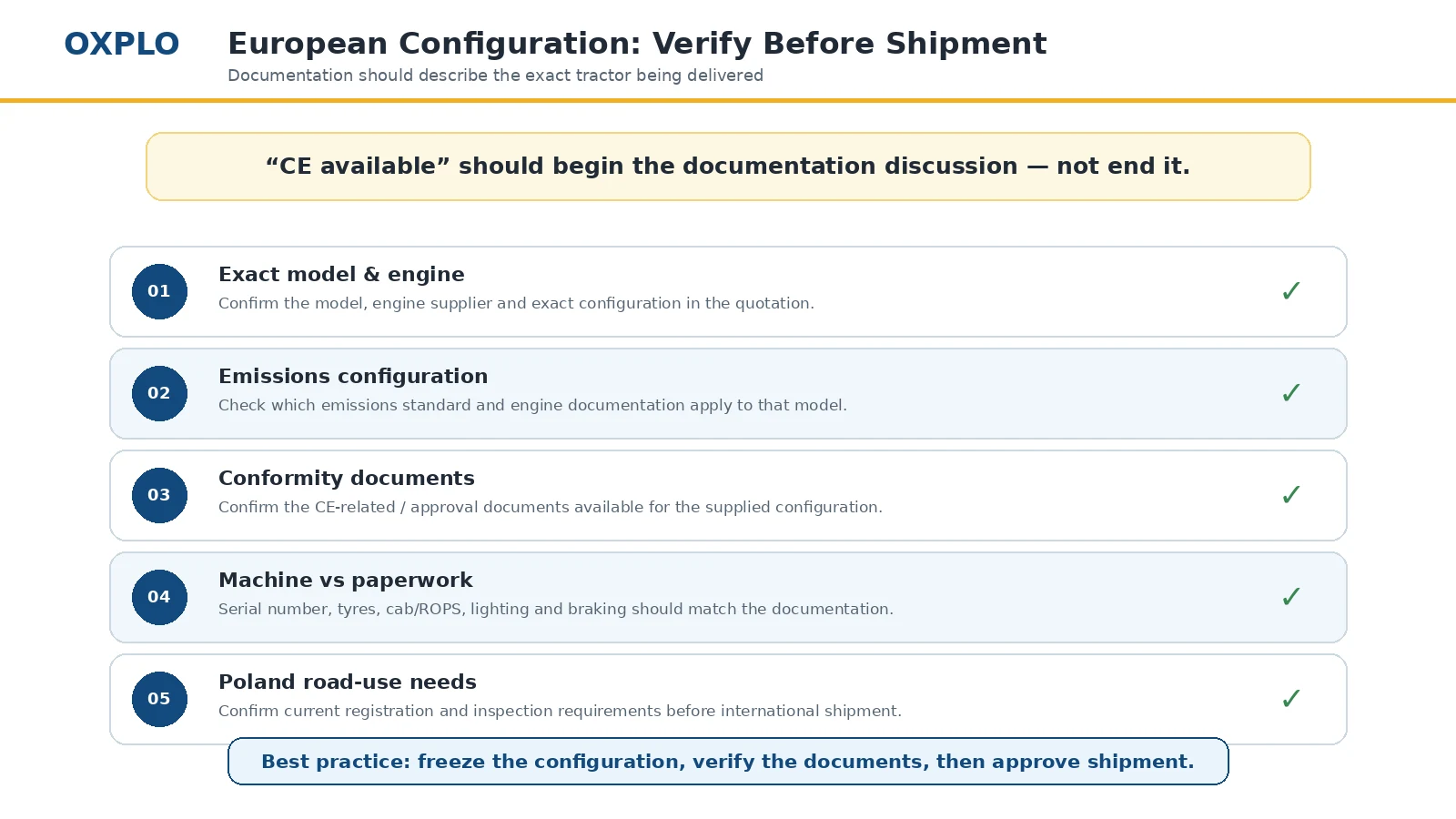
Figure 7. A structured pre-order workflow reduces specification, compliance and delivery risk.
Decision Area | What the Buyer Should Confirm | Why It Matters |
Farm Work | Main recurring jobs, peak seasonal tasks, annual hours | Prevents sizing the tractor around the wrong workload |
Implements | PTO rpm/spline, linkage category, weight, hydraulics | Prevents attachment mismatch after delivery |
Traction | 4WD, tyre sizes, soil/terrain, ballast approach | Determines how effectively power reaches the ground |
Transmission | Forward/reverse ratios and usable working speeds | Affects field control, loader work and transport |
Physical Access | Width, height, wheelbase, turning space | Prevents access problems around barns, orchards and gateways |
Loader Work | Hydraulic requirements, loader option, ballast | Protects stability and cycle productivity |
European Configuration | Engine, emissions, safety equipment, documents | Reduces compliance and registration risk |
Inspection | Photos/video, model, tyres, attachments, packing | Catches specification errors before international shipment |
Parts & Support | Service parts, identification process, lead times | Reduces downtime risk during the season |
Commercial Terms | Incoterm, delivery cost, warranty, exclusions | Makes quotations comparable on a delivered-cost basis |
What to send OXPLO for a useful recommendation
- Destination: Poland, including delivery location if known
- Farm type: arable, mixed, livestock, grassland, orchard, estate or contractor
- Farm area and field layout
- Expected annual tractor hours
- Most demanding recurring job
- Existing implements and their PTO/linkage/hydraulic requirements
- Front-loader or bale-handling requirement
- Road-use requirement
- Preferred cab/operator-station and tyre configuration
- Any required documentation or language requirements
With this information, OXPLO can compare the compact 25–50 HP models against the 60–70 HP utility platform and prepare a quotation around the required configuration rather than simply returning the cheapest tractor in a horsepower band.
Browse the full OXPLO tractor range or visit the OXPLO homepage for additional product and application information.
VIII. Frequently Asked Questions
What should I check first when searching for “tractor for sale Poland”?
Start with your existing implements and the most demanding recurring job. Record PTO requirements, linkage category, hydraulic demand, working width, farm access and annual hours before comparing horsepower or price.
Is 50 HP enough for a Polish mixed farm?
It can be, especially where Category I implements, compact access and mowing, transport or moderate PTO work are the main requirements. The OXPLO OXT504 is a useful reference point for buyers who need 50 HP while remaining on OXPLO’s compact Category I platform. Heavier recurring work or a need for Category II implements may justify moving to the OXT604 or OXT704 platform.
When should I move from an OXPLO OXT504 to an OXT604?
Move up when the farm has genuinely outgrown the compact platform: higher annual workload, heavier implements, Category II compatibility, larger chassis requirements or more demanding transport and material-handling work. Do not move up only because 60 HP sounds safer.
Can OXPLO check whether my existing implements will fit?
OXPLO can check compatibility using tractor horsepower, PTO, three-point linkage, connection dimensions, hydraulic requirements and intended application. Buyers should provide implement labels, manuals or clear technical data where possible.
Are Stage V and CE documents available for OXPLO tractors?
OXPLO states that CE-related documentation can be provided for eligible European-market configurations and that selected Stage V engine configurations may be available. Availability depends on the exact model, engine and destination market, so the final quotation should identify the supplied configuration and available documents.
Can I inspect an OXPLO tractor before it ships to Poland?
OXPLO states that pre-shipment photos or videos can be provided to verify the tractor model, selected configuration, attachments and packing. Use this step to check the ordered specification before international dispatch.
What is the biggest hidden cost when I buy tractor Poland from an overseas supplier?
There is no single answer, but common risks include attachment mismatch, incorrect market configuration, parts delays and downtime. These risks are usually cheaper to prevent during specification and inspection than to correct after arrival.
IX. Conclusion: Buy the Working System, Not the Horsepower Number
The best agricultural tractor Poland purchase is not automatically the machine with the lowest price, the most horsepower or the longest feature list. It is the tractor that fits the farm’s implements, field conditions, access constraints, seasonal workload and support requirements with the fewest expensive compromises.
For buyers using “tractor for sale Poland” or “buy tractor Poland” searches to build a shortlist, the most important work happens before the quotation comparison. Define the limiting job. Measure the farm. Record the implement interfaces. Decide whether you are staying within a compact Category I system or moving to a Category II utility platform. Confirm the European-market configuration and documentation. Then compare delivered cost and support.
OXPLO’s 25–70 HP 4WD range gives Polish and European buyers several starting points, from compact tractors for mowing, orchards and mixed farm routines to 60–70 HP Category II utility tractors for higher recurring workloads. The value of that range is not simply having more horsepower choices. It is the ability to configure an OXPLO tractor around the job, existing attachments and destination-market requirements before the machine leaves the factory.
If you are evaluating an OXPLO tractor for your farm in Poland, prepare your implement list, working conditions, annual workload and required road-use configuration, then use the OXPLO tractor configuration guide to request a model-specific recommendation. A technically complete enquiry gives you a much more useful answer than simply asking for the price of a 50 HP or 70 HP tractor.
Reference note
Polish farm-structure data: Statistics Poland, Agriculture in 2023. EU tractor type-approval context: Regulation (EU) No 167/2013. Polish public-road registration context: Ministry of Infrastructure, Rejestracja pojazdów. OXPLO model and support information reflects the website pages reviewed in September 2026; final supplied specifications and documentation should always be confirmed in the quotation.