
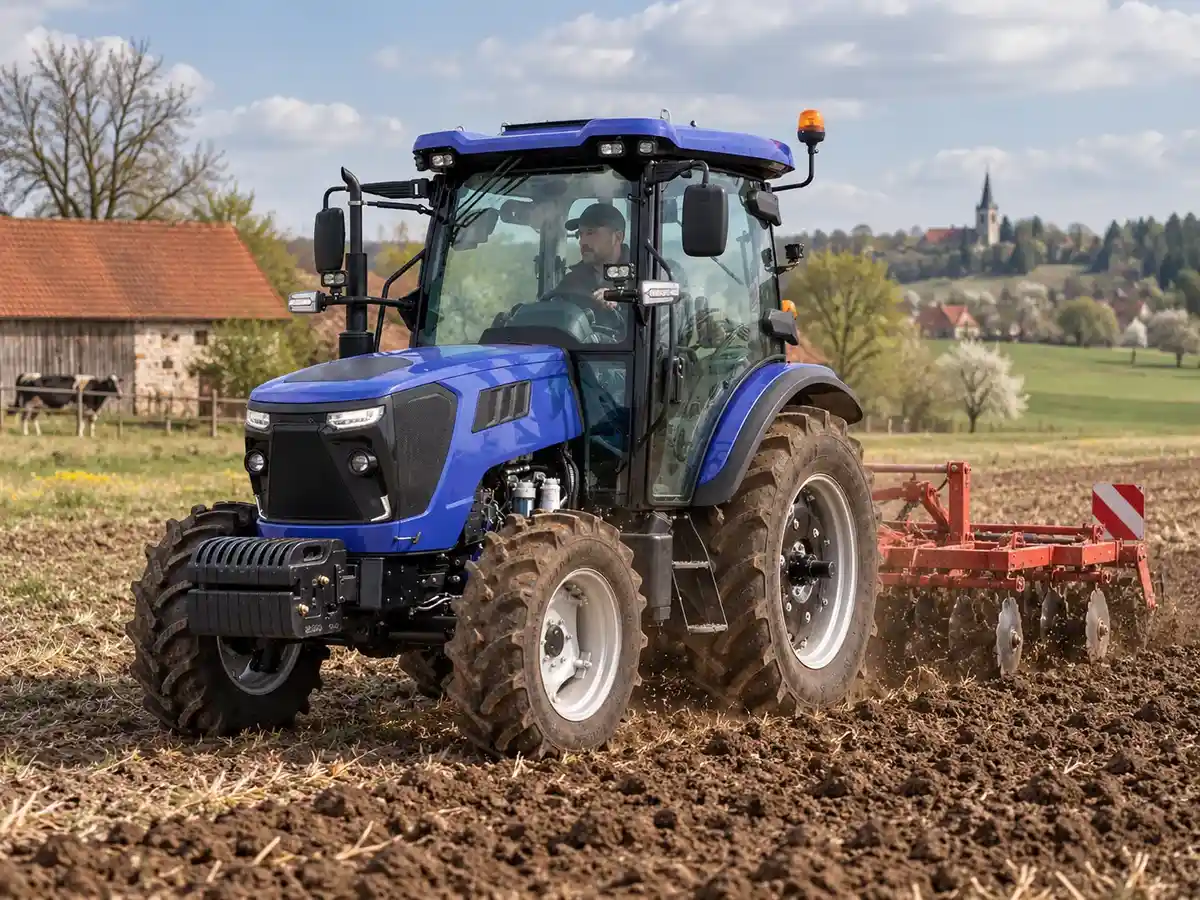
A practical procurement guide to specifications, working capacity, compliance and total cost—not just the headline price.
A buyer searching for tractor price Poland usually wants a number. The more important question is what that number actually buys. Two tractors with the same rated horsepower can sit in very different working classes because chassis size, transmission ratios, hitch category, PTO configuration, tyres, cab equipment, loader readiness, documentation and after-sales support are not equivalent.
That difference matters in Poland, where buyers range from orchard owners and livestock farms to mixed-farm operators and agricultural contractors. A low new tractor price may look attractive until the machine is asked to pull an implement it was not designed for, operate on wet ground, fit through a narrow farm entrance, carry a loader safely or meet the documentation requirements for its intended use.
The most useful way to compare a tractor for sale Poland is therefore not PLN per horsepower. It is to compare the price of a complete working system: tractor + required configuration + compatible implements + logistics + documentation + serviceability + expected productive output.
Key purchasing principle: Do not compare quotations until they are normalised to the same technical specification and the same delivery basis. A lower sticker price is not a lower cost if the tractor still needs essential equipment before it can work. |
I. Why Tractor Price Poland Is Harder to Compare Than It Looks
The first purchasing mistake is assuming that “50 HP” or “70 HP” defines a complete tractor class. It does not. Rated engine power is only one layer of the machine. A compact 50 HP tractor built around Category I implements may be aimed at very different work from a larger 60–70 HP utility tractor with Category II linkage, longer wheelbase, larger tyres and more transmission ratios.
This is why public advertisements can appear inconsistent. One offer may be tractor-only. Another may include a cab, air conditioning, front loader, bucket, extra hydraulic lines, ballast or road-use equipment. One quotation may be EXW or FOB, while another is delivered to a warehouse in Poland. Some prices are shown net of VAT; others are shown gross. Without converting the offers to the same basis, the comparison is commercially weak.
The buyer is not buying horsepower; the buyer is buying task capacity
Suppose a farm needs to mow grass, run a rotary tiller, move feed trailers and occasionally handle bales. The tractor has to satisfy several different constraints at the same time: sufficient PTO reserve for dense material, enough traction for wet grassland, the right linkage geometry for existing implements, enough hydraulic capability for the loader setup, and an overall size that still works in yards and sheds. If any one of those constraints is ignored, the lower farm tractor price can create a higher operating cost later.
A “cheap” quote often becomes expensive when it is made ready to work
A practical comparison should separate the headline tractor price from the ready-to-work price. The exact numbers will vary, but the logic is consistent:
Cost Item | Quote A: Low Headline Price | Quote B: Ready-to-Work Package |
Base tractor | Included | Included |
Front loader / mounting frame | Extra | Included |
Bucket / bale fork | Extra | Included or specified |
Hydraulic connections | May require upgrade | Specified |
Ballast / tyre setup | May be extra | Matched to application |
Destination documents | To be confirmed | Defined before shipment |
Freight basis | Origin price | Common delivery basis |
Commercial result | Low initial figure, uncertain final cost | Higher visibility of final working cost |
The point is not that the more expensive quotation is automatically better. The point is that price becomes meaningful only after the configuration is comparable.
II. Start With the Farm’s Workload, Not With the Budget or Horsepower
A disciplined tractor purchase starts with the work calendar. Before asking suppliers for a new tractor price, list the jobs the machine must perform, how many hours each job consumes, which implements are already owned, and which task creates the highest load or the tightest seasonal deadline.
Small orchards, estates and confined farm spaces
For orchards, vineyards, livestock yards, greenhouses and property maintenance, physical access can be as important as engine output. A tractor that is too wide, too long or too heavy can lose time at gateways, headlands and buildings. Paying for a larger platform can actually reduce productivity when manoeuvrability is the limiting factor.
In these applications, buyers should measure gate width, shed entrances, row spacing, turning areas and storage dimensions before choosing power. A compact 25–30 HP 4WD tractor may be commercially better than a 50–60 HP machine if the larger tractor cannot work efficiently in the available space.
Mixed farms and livestock operations
The 40–50 HP range often attracts buyers who want one tractor to cover several routine jobs: mowing, light cultivation, PTO work, feed support, trailer movement and seasonal maintenance. Here, the key question is utilisation. A tractor that completes 80% of the farm’s annual jobs with the implements already owned can be more valuable than a larger machine whose capacity sits idle for most of the year.
However, if loader use becomes frequent, grass is heavy, fields are wet or the machine runs long hours during short work windows, buyers should examine chassis weight, tyre footprint, wheelbase and power reserve—not merely rated HP.
Higher-workload farms and contractors
Once the duty cycle moves toward heavier soil preparation, larger Category II implements, regular loader work, heavier transport or longer annual operating hours, the economics change. A larger 60–70 HP utility platform can cost more to buy, but it may complete work faster, remain more stable with heavier implements and reduce the risk of running a compact tractor continuously at its practical limit.
Trade-off: Oversizing ties capital up in unused capacity. Undersizing can extend field time, increase wheel slip, overload the drivetrain and cause the farm to miss narrow weather windows. The correct size is the smallest platform that can complete the real workload with reasonable reserve. |
III. The Technical Variables That Change New Tractor Price—and Why They Matter
4WD: paying for usable traction rather than brochure power
Four-wheel drive adds cost, but the value appears when ground conditions are poor. Wet grassland, loose soil, slopes and loader work can produce wheel slip before the engine reaches its power limit. In those conditions, a lighter 2WD tractor may have the same rated HP yet deliver less useful drawbar work. For many Polish farm applications, 4WD is not an accessory; it is a productivity feature.
Transmission: matching engine speed, ground speed and implement load
A transmission with more ratios is not automatically superior. It becomes valuable when the tractor must hold PTO speed while adjusting ground speed, perform loader work with frequent direction changes or switch between field and transport tasks. A simple gearbox may be entirely adequate for low-hour routine work. A wider ratio spread becomes commercially meaningful when the duty cycle uses it.
PTO and hitch category: the hidden compatibility test
Many buyers choose the tractor first and inspect their implements later. This reverses the engineering sequence. The better process starts with the heaviest and most demanding implements: record required PTO speed, PTO input, linkage category, implement mass, hydraulic demand and recommended tractor power. Then select the tractor platform that can support those requirements.
This is where a low farm tractor price can become expensive. If existing implements are Category II but the new tractor is built around Category I geometry, the buyer may need different implements, adapters or a larger tractor after all. A few minutes of compatibility checking before the order can prevent a much larger capital mistake.
Cab, tyres and loader preparation: configuration has a workload value
Cab equipment should be judged against annual hours. At low utilisation, an open station can keep the purchase price down. At high utilisation, heating, ventilation, air conditioning, visibility and noise control affect operator fatigue and effective working hours. The same principle applies to tyres, ballast and loader preparation: each configuration should have a job-based reason, not merely a catalogue reason.
IV. Where Buyers Usually Save Money in the Wrong Place
Mistake 1: choosing the lowest price before checking the implement fleet
If the mower, rotary tiller, plough, spreader or trailer already owned by the farm does not match the new tractor’s PTO, hitch or hydraulic interfaces, the apparent saving can disappear immediately. Implement compatibility should be a purchasing gate, not an afterthought.
Mistake 2: buying more horsepower “for the future”
Extra power provides reserve, but it also brings cost, weight, tyre expense, turning-space requirements and potentially more soil compaction. If most work is light and fields are small, a larger tractor can spend years carrying capacity the farm rarely uses. Occasional heavy jobs may be cheaper to outsource than to size the entire fleet around them.
Mistake 3: buying too small to hit the budget
The opposite error is equally damaging. A tractor that spends long periods near maximum load can work slowly, slip more, downshift frequently and consume additional hours to finish the same field. If a two-day weather window becomes a three-day job, the cost is operational rather than mechanical—and it can be much larger than the price difference between two tractors.
Mistake 4: judging a front loader only by lift capacity
Loader suitability is a system question. Front-axle load, mounting frame, hydraulic flow, wheelbase, tyre rating, rear ballast and attachment weight all influence stability and service life. “Loader compatible” does not mean “ideal for daily loader work.” Buyers with regular bale, feed, pallet or material-handling duties should specify the loader and tractor together.
Mistake 5: assuming CE alone answers the European compliance question
Agricultural tractors in Europe sit within a broader vehicle-approval and market-surveillance framework. For an imported tractor intended for Poland, buyers should confirm the exact engine configuration, operator protection, braking and lighting equipment, conformity documentation and any type-approval or registration documents required for the intended use. The exact requirement depends on the model, configuration and how the tractor will be used.
Risk-control rule: Compliance questions are cheapest to solve before production and most expensive to discover after the tractor reaches Poland. |
V. Compare Total Working Cost, Not Only Purchase Price
A purchasing manager sees acquisition cost. The operator experiences cost per productive hour. For equipment that will stay on the farm for several years, the second number is usually the better decision metric.
A useful five-year model does not need perfect forecasting. It only needs consistent assumptions across all machines being compared:
Five-Year TCO = purchase cost + financing + logistics + fuel + scheduled maintenance + tyres + repair reserve + downtime exposure − expected residual value.
Downtime deserves special attention. A replacement part may be inexpensive, but waiting for that part during mowing, soil preparation or a livestock feeding cycle can be costly. Before accepting a lower new tractor price, ask how routine filters and wear parts are identified, how critical components are supplied and what information is required for technical support.
A simple productivity test for a more expensive tractor
If Tractor B costs PLN 20,000 more than Tractor A, spread that difference over the expected productive hours. At 2,500 productive hours over five years, the extra purchase cost is PLN 8 per hour before residual value is considered. If the larger or better-matched tractor saves enough time, avoids contractor use, supports the farm’s existing implements or reduces seasonal downtime, the higher acquisition price may be justified.
The right commercial question is not “Why is this tractor PLN 20,000 more?” It is “What additional output, compatibility, serviceability or risk reduction do I receive for that PLN 20,000?”
VI. The 50-to-60 HP Price Jump: What the OXPLO Platform Change Actually Buys
This is where the OXPLO tractor range provides a useful engineering example. The OXPLO OXT504 and OXPLO OXT604 are separated by only 10 HP on paper, but they are not simply the same tractor with different engine output.
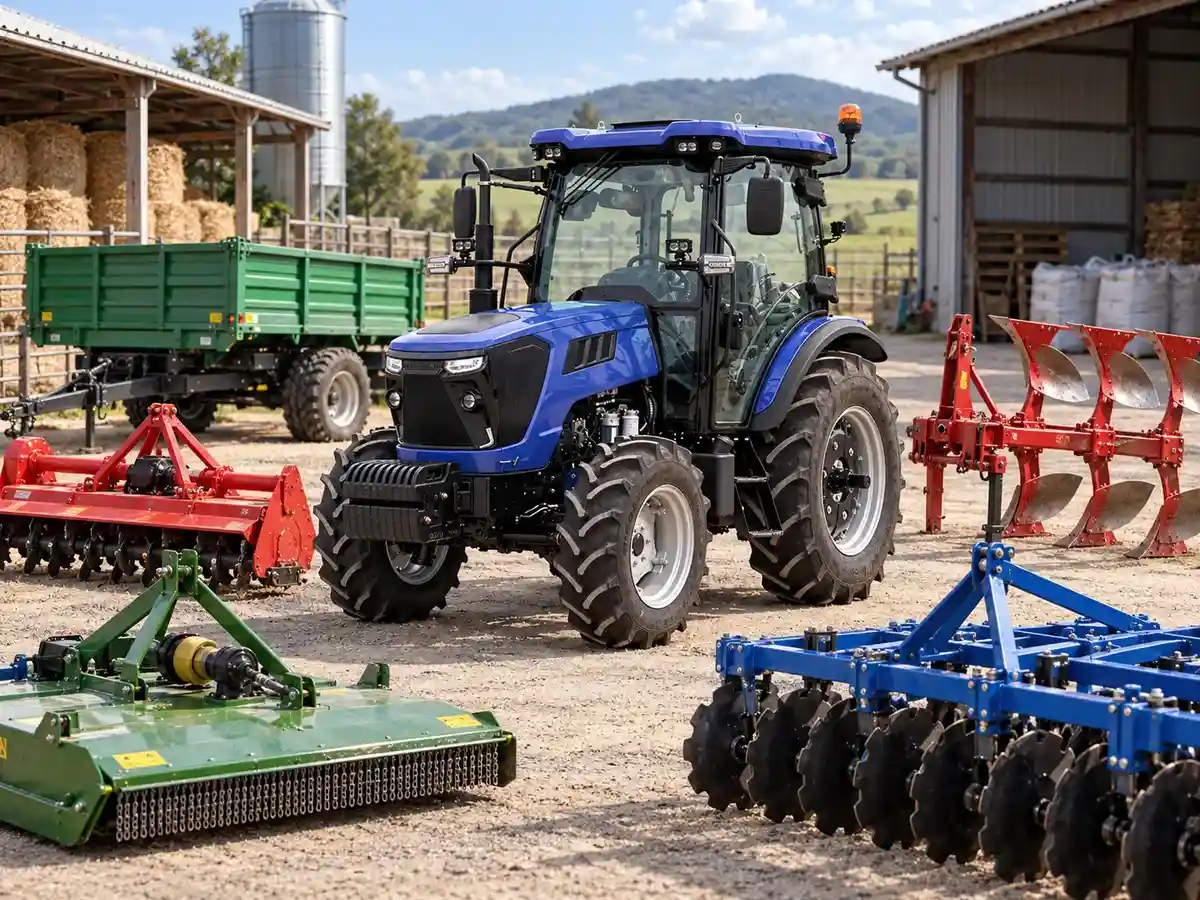 Figure 1. A 50-to-60 HP price increase can reflect a move from a compact chassis to a larger utility platform—not just 10 additional horsepower.
Specification | OXPLO OXT504 | OXPLO OXT604 | What It Means for the Buyer |
Rated power | 50 HP | 60 HP | More engine reserve on the OXT604 |
Drive | 4WD | 4WD | Traction remains central in both classes |
Transmission | 8F + 8R | 12F + 12R | More speed choices for varied work on OXT604 |
Rear linkage | Category I | Category II | Different implement class and compatibility |
Wheelbase | 1,800 mm | 2,010 mm | Longer utility platform on OXT604 |
Listed weight | 2,200 kg | 2,500 kg | More machine mass and stability reserve |
Published width | 1,560 mm | 1,760 mm | Compact access vs larger working platform |
The OXPLO OXT504 is the highest-powered model in OXPLO’s compact chassis group. It keeps a published 1,560 mm width, 1,800 mm wheelbase, 8F + 8R transmission and Category I linkage while increasing output to 50 HP. That combination makes the OXPLO OXT504 relevant to buyers who need more PTO and seasonal power reserve but still depend on compact access and Category I implements.
The OXPLO OXT604 moves to a larger 60 HP utility platform with a 2,010 mm wheelbase, 2,500 kg listed weight, 12F + 12R transmission and Category II linkage. The buyer is therefore paying for a broader working envelope: larger implement compatibility, more transmission choices and a more substantial chassis—not merely another 10 HP.
Review the OXPLO OXT504 50 HP tractor and OXPLO OXT604 60 HP tractor to compare the compact Category I and larger Category II platforms in more detail.
VII. How OXPLO Matches Tractor Size to the Customer’s Actual Job
The strongest reason to use a 25–70 HP product range is not to offer six horsepower numbers. It is to give buyers a clear progression from compact access to higher working capacity. OXPLO currently groups the range around three practical use cases: compact 25–30 HP machines, 40–50 HP compact utility tractors and 60–70 HP larger utility tractors.
Need compact access? Start with OXPLO OXT254 / OXT304
For orchards, wider-row vineyards, estates, grounds maintenance and smaller farms, OXPLO OXT254 and OXPLO OXT304 focus on 4WD traction, compact dimensions and Category I implement use. These buyers often gain more from manoeuvrability and straightforward operation than from moving into a physically larger tractor class.
Need more power without leaving the compact platform? OXPLO OXT404 / OXT504
OXPLO OXT404 and OXPLO OXT504 suit buyers with more regular mowing, PTO work, farm transport and mixed-farm duties who still value the compact chassis. The OXPLO OXT504 is especially relevant when the farm wants 50 HP but does not require the larger Category II architecture of the OXPLO OXT604.
Need Category II and higher recurring workload? OXPLO OXT604 / OXT704
OXPLO OXT604 and OXPLO OXT704 move into the larger utility platform. The OXPLO OXT704 is rated at 70 HP with 4WD, 12F + 12R transmission, a 2,010 mm wheelbase and Category II rear linkage. This class is more appropriate when the farm regularly handles heavier cultivation, larger implements, transport, loader work or higher annual utilisation.
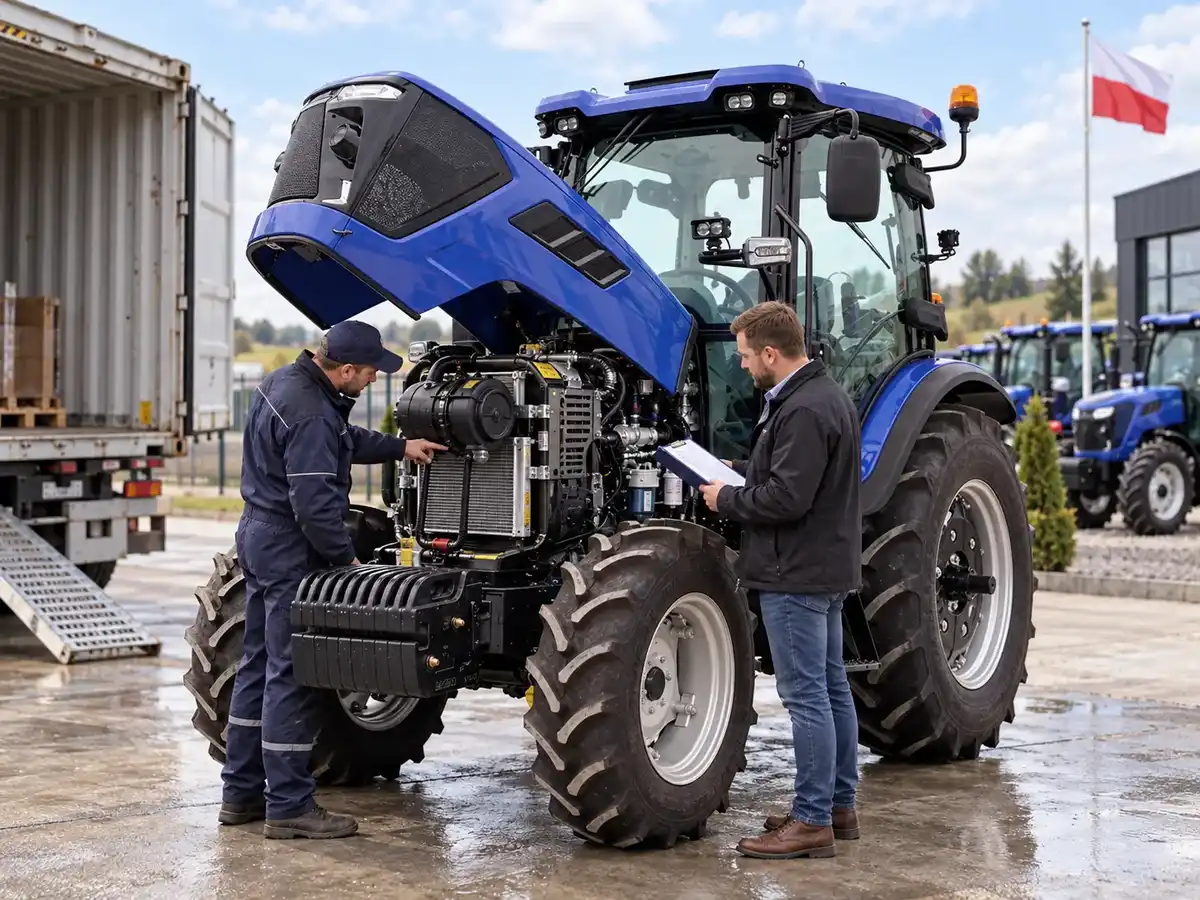
Figure 2. Tractor selection should be performed as a tractor-and-implement system: horsepower, PTO, linkage, hydraulics and attachment weight all need to match.
OXPLO’s attachment range is useful only when compatibility is checked
OXPLO lists up to 48 tractor attachment options covering soil preparation, mowing, harrowing, planting, transport and maintenance tasks. The useful product advantage is not the number “48” by itself. The value comes from checking the selected attachment against tractor horsepower, PTO speed, linkage category, hydraulic requirements, connection dimensions and intended workload before the order is confirmed.
That process helps solve a common import problem: buying the tractor from one source, buying the attachment later and discovering that the two systems do not work together as expected. OXPLO can use the customer’s existing implement list or planned attachment package to narrow the tractor platform before pricing.
Customer Application | Typical Power Starting Point | Relevant OXPLO Models | Key Compatibility Question |
Orchard / vineyard / estate | 25–40 HP | OXT254 / OXT304 / OXT404 | Will the tractor fit the access and match Cat. I implements? |
Small mixed farm | 30–50 HP | OXT304 / OXT404 / OXT504 | Can one compact tractor cover the majority of annual jobs? |
Livestock / grassland | 40–60 HP | OXT404 / OXT504 / OXT604 | Is regular loader/PTO work pushing the compact platform too hard? |
Soil preparation / heavier implements | 40–70 HP | OXT404–OXT704 | What hitch category, implement mass and PTO demand are required? |
Higher recurring workload | 60–70 HP | OXT604 / OXT704 | Is Category II and the larger chassis justified by annual utilisation? |
See the complete OXPLO 25–70 HP tractor selection page or browse the OXPLO tractor range before narrowing the specification.
VIII. What a Polish or European Buyer Should Confirm Before Ordering
A tractor for sale Poland should not be treated as a finished procurement decision until the exact supplied configuration and destination requirements are documented. This is especially important for cross-border orders, where the machine, shipping basis and compliance package are often handled by different parties.
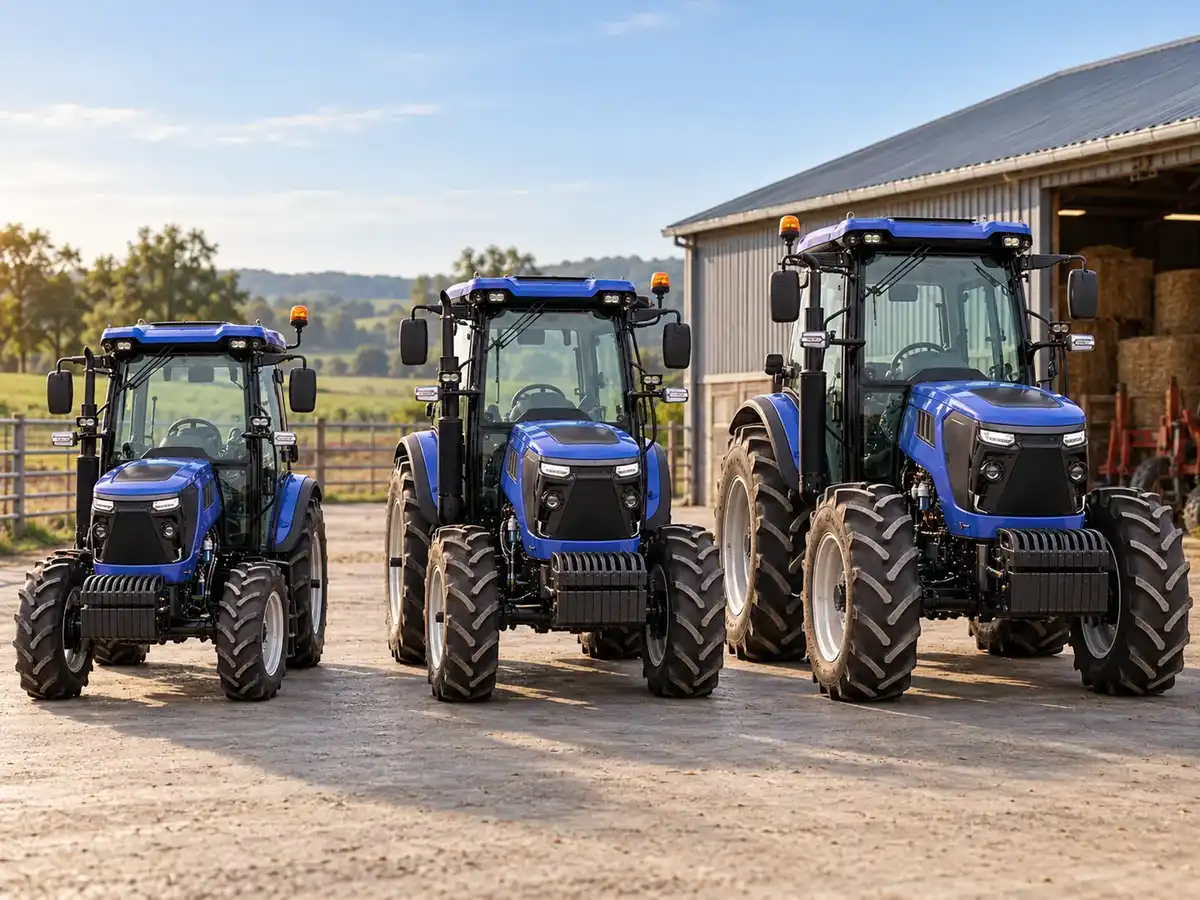
Figure 3. For European orders, technical configuration, documents, shipping basis and the destination-market requirements should be confirmed before shipment.
Use a pre-order technical checklist
- Exact model and rated power.
- Engine model and destination-market emissions configuration.
- 4WD, transmission and tyre specification.
- PTO speed, spline and required implement input.
- Three-point linkage category and implement mass compatibility.
- Hydraulic connections, loader requirements and ballast.
- Cab / open-station equipment, lighting and operator protection.
- Road-use requirements, braking and any registration-related equipment.
- Declaration of Conformity and other model/configuration documents available for the destination.
- Spare-parts package, maintenance consumables, warranty terms and technical-support process.
- Incoterm, freight basis, unloading responsibility and final delivery point in Poland.
EU Regulation No 167/2013 establishes a type-approval and market-surveillance framework for agricultural and forestry vehicles, including tractors. Buyers should not assume that a generic “CE” statement resolves every registration or road-use requirement. The exact documents should be checked for the supplied tractor configuration and intended use.
For OXPLO orders, the OXPLO Support page explains attachment compatibility, market-specific configurations, CE-related documentation, parts and warranty support. OXPLO states that model, engine, destination country and intended application should be confirmed before ordering.
Technical reference: Regulation (EU) No 167/2013 on the approval and market surveillance of agricultural and forestry vehicles
How to request a quotation that is actually comparable
Instead of sending only “How much is a 50 HP tractor?”, a buyer can give OXPLO enough operating information to build a meaningful quotation:
Information to Provide | Example |
Farm / property type | Mixed farm, livestock farm, orchard, estate |
Main jobs | Mowing, tillage, transport, loader, PTO work |
Existing implements | Model, width, weight, PTO speed, hitch category |
Terrain | Flat, wet grassland, loose soil, slope, farm tracks |
Annual workload | Estimated hours per year and peak-season jobs |
Access limits | Gate width, shed entrance, row spacing, turning area |
Loader requirement | Yes / No, expected materials and attachments |
Operator station | Cab / open station, climate expectations |
Destination | Delivery location in Poland |
Road / registration use | Whether public-road operation is required |
With this information, OXPLO can recommend a platform around the job rather than simply recommending the highest horsepower the budget allows. That approach also makes the final OXPLO quotation easier to compare with another supplier because the configuration basis is visible.
Conclusion: The Lowest Tractor Price Is Not Always the Lowest-Cost Tractor
The search for tractor price Poland should end with a working-cost decision, not a price-list decision. A compact tractor can be the stronger investment when access, Category I implements and moderate annual hours define the job. A larger utility tractor can be the safer investment when Category II implements, loader stability, transport, field capacity and high recurring workload demand more chassis reserve.
For buyers evaluating a new tractor price, the practical sequence is simple: define the work; identify the hardest implement; check PTO, linkage, hydraulics, traction and dimensions; confirm destination-market documents; normalise every quotation to the same delivery basis; and only then compare price.
OXPLO’s 25–70 HP range is structured to support that progression. OXPLO OXT254 and OXT304 address compact farm and property work. OXPLO OXT404 and OXT504 add power while retaining the compact Category I platform. OXPLO OXT604 and OXT704 move into a larger Category II utility platform for heavier and more frequent work. The right OXPLO tractor is therefore not automatically the model with the highest HP. It is the smallest OXPLO platform that can complete the customer’s real workload with the required compatibility, reserve and operating margin.
Start with your workload, implements and destination requirements: OXPLO Tractor Selection & Configuration | OXPLO Home
IX. Frequently Asked Questions
Q1. What should I compare when checking tractor price Poland?
Compare the complete configuration: rated power, drive system, transmission, PTO, hitch category, hydraulics, tyres, cab or operator station, loader package, documentation, freight basis, parts support and final delivery cost. A price is useful only when the compared tractors are specified on the same basis.
Q2. Is a 50 HP tractor enough for a small or mixed farm?
Often, but the answer depends on implement demand, terrain, annual hours and whether loader work is frequent. A 50 HP compact tractor can be highly effective when Category I implements and manoeuvrability matter. If the farm regularly needs heavier Category II implements or larger loader work, a 60–70 HP utility platform may be more appropriate.
Q3. Why can a 60 HP tractor cost much more than a 50 HP tractor?
Because the price jump may represent a chassis-class change, not just 10 more horsepower. In the OXPLO range, the OXT504 is a compact Category I 50 HP model, while the OXT604 moves to a longer, heavier Category II platform with a 12F + 12R transmission.
Q4. What does OXPLO need before recommending a tractor?
OXPLO can make a more accurate recommendation when the buyer provides farm type, main jobs, existing implements, PTO and linkage requirements, terrain, annual workload, access dimensions, loader needs, destination country and whether road registration is required.
Q5. Can OXPLO help match attachments to the tractor?
Yes. OXPLO lists a broad tractor-attachment range and advises buyers to confirm horsepower, PTO, linkage, hydraulic requirements and connection dimensions before selecting an attachment. Compatibility should be checked before shipment rather than after the equipment arrives.
Q6. Does CE documentation automatically mean a tractor can be registered in Poland?
Not necessarily. European agricultural tractors can be subject to vehicle type-approval and market-specific registration requirements in addition to machinery-related conformity documentation. The exact model, engine, road-use equipment and supplied documents should be confirmed for the intended use in Poland before ordering.
Editorial note: Product specifications and available European-market configurations can vary. Confirm the final OXPLO quotation and specification sheet before ordering.