
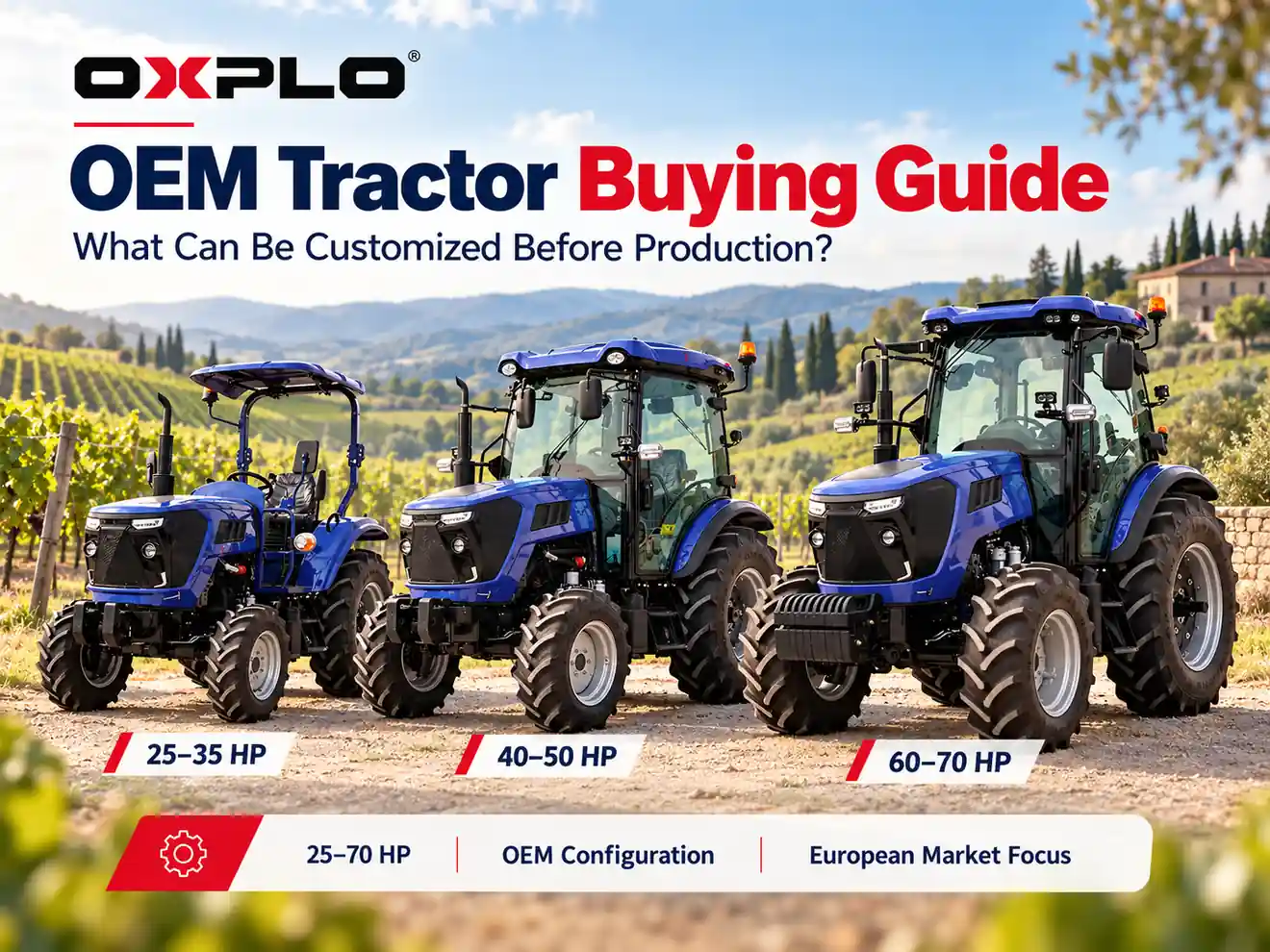
A practical procurement guide for European dealers, importers, fleet buyers and agricultural projects
OXPLO | 25–70 HP Tractor Platforms | OEM & Configuration Support
Buying an OEM tractor is not the same as ordering a standard machine and changing the paint. The real work happens before production: deciding which requirements should be engineered into the tractor, which should remain standardized, and which requests create more lifecycle cost than customer value.
For a European dealer or importer, the consequences of a poor decision usually appear after the first shipment. A tractor may arrive with the wrong PTO combination for local implements. A tyre change may increase overall width beyond orchard access limits. A loader may be added without treating hydraulics, ballast and stability as one system. Or every customer may receive a slightly different configuration until the dealer is maintaining too many spare-parts variants to support efficiently.
The goal of an OEM tractor program is therefore not maximum customization. It is maximum market fit with minimum unnecessary complexity.
This guide explains how to structure that decision before production: from workload and implement interfaces to European compliance, dealer TCO, configuration control and final pre-production approval.
I. Why OEM Tractor Projects Fail Before the First Tractor Is Built
Many OEM problems begin with a specification that sounds clear commercially but is incomplete technically. A request such as “50 HP, 4WD, cab, loader and our logo” still leaves dozens of decisions unresolved: PTO speed and spline, linkage category, hydraulic flow, remotes, loader geometry, tyre package, ballast, lighting, road-use equipment, engine configuration, labels, manuals and destination-market documentation.
This is why horsepower cannot be treated as the tractor specification. Two 50 HP machines can have different chassis dimensions, transmissions, rear-linkage systems, operating weights and implement compatibility. If the buyer selects the horsepower first and investigates these interfaces later, the engineering process has effectively been reversed.
The expensive failures are rarely dramatic. They are usually small mismatches repeated across a batch: a hydraulic coupler that does not match a customer’s equipment, a PTO speed that restricts attachment use, a cab that creates a clearance problem, or a loader package that needs a different counterweight. Every mismatch creates follow-up work, dealer frustration and avoidable downtime.
The first procurement principle
Define the work first. Select the platform second. Customize only after the base machine is technically correct.
II. Define the Buyer Type Before You Define the Custom Tractor
Different B2B buyers need different levels of tractor customization. Treating every OEM request as the same project is one of the fastest ways to create unnecessary complexity.
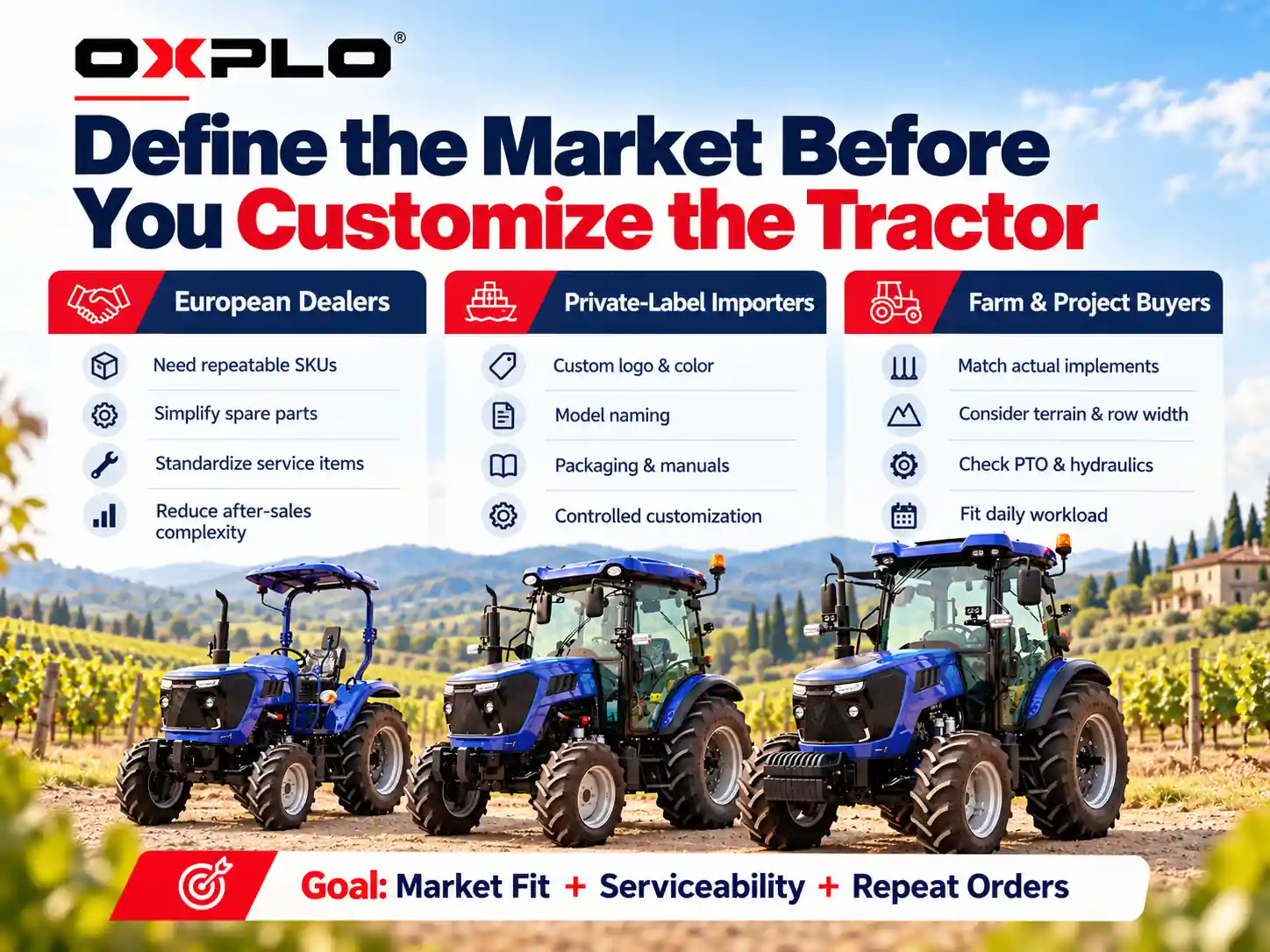
Figure 1. Dealer, private-label and project buyers require different OEM configuration strategies.
European Dealers: Build Repeatable SKUs, Not One-Off Machines
A dealer needs a tractor that can be sold repeatedly, supported with a manageable parts inventory and reordered without reopening every engineering decision. For this buyer, the right OEM strategy is usually two or three stable market configurations with a limited option list. Standardizing filters, hydraulic fittings, lamps, tyres and service parts across batches can be more valuable than offering a very large menu of small variations.
Private-Label Importers: Separate Branding From Engineering
Private label does not have to mean a completely redesigned tractor. Logo, model naming, decals, colour, packaging and market-facing documentation can often be handled with relatively low engineering risk. By contrast, engine, braking, steering, cab structure and safety-related systems require a much more controlled review. A mature base platform plus controlled customization is generally more scalable than redesigning core systems for every order.
Farm and Project Buyers: Configure Around the Limiting Job
A farm or project buyer may care less about SKU standardization and more about whether the tractor can perform one demanding job reliably. In that case, the limiting job should drive the selection. A mower may define PTO demand; a loader may define hydraulic and ballast requirements; narrow orchard rows may define tyre width and cab choice; frequent transport may make transmission ratios and road equipment more important than nominal horsepower.
III. Start With Workload, Implements and Operating Environment
Before asking a tractor manufacturer what can be customized, send enough operating data for the supplier to evaluate the tractor as a working system.
1. Primary and Secondary Tasks
- List the main job separately from occasional work. A tractor used mainly for mowing but occasionally for trailer work should not be configured the same way as a tractor performing loader work every day.
- Include expected working hours. A machine operating 200 hours per year may justify a different comfort and service package from one expected to run 1,200 hours.
2. Existing Implements
- Provide implement type, working width, operating weight, PTO requirement, linkage category, hydraulic flow requirement and connection type where available.
- Do not assume that “50 HP implement” automatically means “compatible with every 50 HP tractor.” The interface matters as much as engine output.
3. Access and Terrain
- For vineyards and orchards, measure row width, gate width, canopy clearance, turning space and slope conditions before approving tyres or cab equipment.
- A wider tyre may improve traction and flotation while making the tractor too wide for the actual site. That is a trade-off, not a simple upgrade.
4. Destination Market
- The destination country affects documentation, emissions requirements, road-use equipment, labels, manuals and other market-specific configuration decisions.
- Confirm these requirements before production rather than treating paperwork as something to collect after the tractor has already been built.
IV. What Can Be Customized Before Production?
The useful question is not simply whether an item can be changed. For each request, evaluate four things: the customer requirement, the systems affected, the hidden risk and whether the change creates enough business value to justify the complexity.
Base Tractor Platform
Power class, chassis size and rear-linkage architecture should be chosen before small options. Moving from a compact Category I platform to a larger Category II platform can change implement compatibility, stability and working capacity more fundamentally than adding accessories to the smaller tractor.
Tyres and Track Width
Tyres influence traction, soil pressure, ground clearance, stability and overall width. For orchard or vineyard customers, always verify final machine width after the tyre choice. For loader users, treat tyre and ballast selection as part of stability planning.
PTO Configuration
Confirm PTO speed, spline and implement requirements. A PTO mismatch can leave a tractor unable to operate equipment the buyer already owns even when horsepower appears sufficient.
Three-Point Linkage
Match linkage category, geometry and lift requirement to the intended implements. Do not move to a larger power class without checking whether the customer’s current equipment still fits.
Hydraulic System
Specify the number of rear remotes, required flow, pressure, couplers and loader hydraulic needs. “Hydraulic outlet required” is not enough information for a reliable OEM specification.
Front Loader and Ballast
A loader should be treated as a system: mounting structure, lift requirement, bucket or tool, hydraulic supply, tyre choice and ballast must work together. Frequent loader use often justifies moving to a larger utility platform rather than overloading a compact chassis.
Operator Station
ROPS, canopy, enclosed cab, heating, air conditioning, seating and mirrors should be selected according to climate, working hours and application. Operator comfort has a direct productivity effect on long shifts, but additional equipment also adds cost and service complexity.
Lighting and Road Equipment
Work lights and road-use equipment should reflect where the tractor will actually operate. Public-road use may create requirements that do not apply to a machine working only on private land.
Branding and Private Label
Colour, logos, model names, decals, packaging and market-facing documents are usually lower-risk customizations. Use approved artwork, fixed logo dimensions and defined colour standards so repeat batches remain visually consistent.
V. Three Levels of Tractor Customization Risk for European Buyers
For European procurement, not all customization should go through the same approval process. A practical way to manage the project is to classify changes by technical and compliance risk.
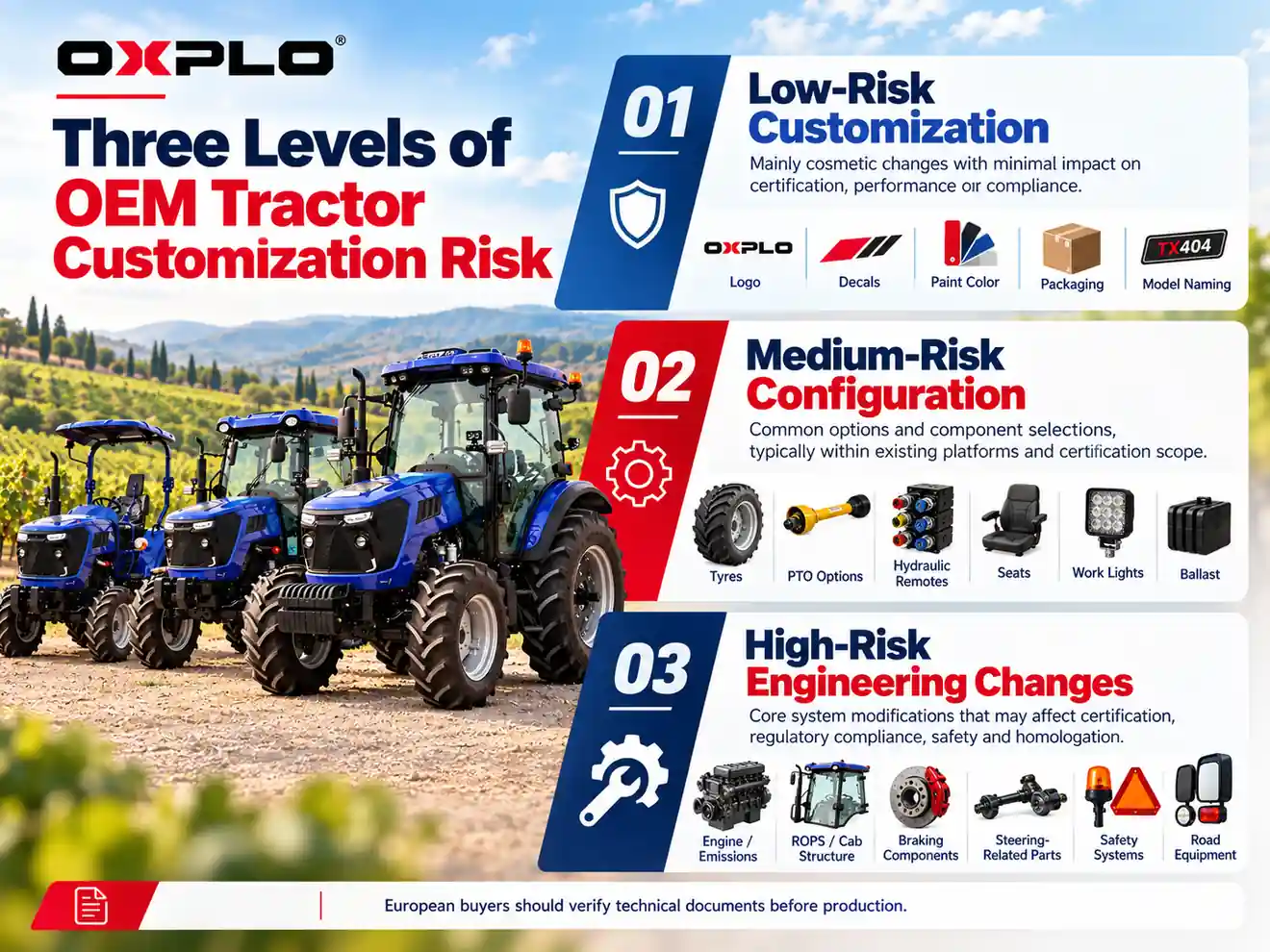
Figure 2. A practical risk hierarchy for OEM tractor customization in European-market projects.
Risk Level | Typical Changes | Main Concern | Procurement Action |
Low | Logo, decals, colour, model naming, packaging | Brand consistency and repeatability | Approve artwork, colour reference and label position before production. |
Medium | Tyres, PTO options, hydraulic remotes, attachments, seat, work lights, ballast | Compatibility, dimensions and service-parts complexity | Run an application and interface check; update the final specification sheet. |
High | Engine/emissions configuration, braking, steering, ROPS/cab structure, safety systems, approval-relevant road equipment | Type approval, safety, technical validation and documentation | Confirm the exact approved configuration and destination-market documentation before production. |
European compliance note. Regulation (EU) No 167/2013 establishes administrative and technical requirements for type-approval of agricultural and forestry vehicles, systems, components and separate technical units. That is why a change affecting an approval-relevant system cannot be treated like a paint or decal change. EUR-Lex: Regulation (EU) No 167/2013
VI. What Should You NOT Customize on an OEM Tractor?
One sign of a good tractor manufacturer is the ability to say “no” to customization that adds more lifecycle cost than customer value.
Do Not Create a Special Interface for One Small Order
A unique hydraulic fitting, connector or service component may look harmless on the quotation. Years later, the dealer must identify, stock and support it. If a standard regional interface works, standardization is usually the better commercial choice.
Do Not Force a Small Platform to Do a Larger Platform’s Job
If loader duty, implement weight or recurring workload is already close to the smaller chassis limit, adding more options may not solve the real problem. Moving to a larger platform can produce a cleaner, safer and more serviceable machine.
Do Not Change Service Parts Without a Strong Reason
Changing lamps, filters, tyres, electrical connectors or routine service items from batch to batch creates hidden inventory cost. For a dealer network, repeatability is part of product quality.
Do Not Treat Safety or Approval-Relevant Systems as Cosmetic Options
ROPS, cab structures, braking, steering, emissions-related components and other safety or approval-relevant systems require controlled technical review. Their effect is not limited to customer preference.
Do Not Let Every End Customer Create a New SKU
Dealer sales teams naturally want flexibility. But if every customer creates a unique combination, the parts department and service team inherit the complexity. Define a controlled option list around a small number of core market configurations.
VII. How Over-Customization Increases Dealer TCO
The purchase price is only one layer of OEM tractor cost. For distributors, configuration complexity continues to generate cost after the tractor has been sold.
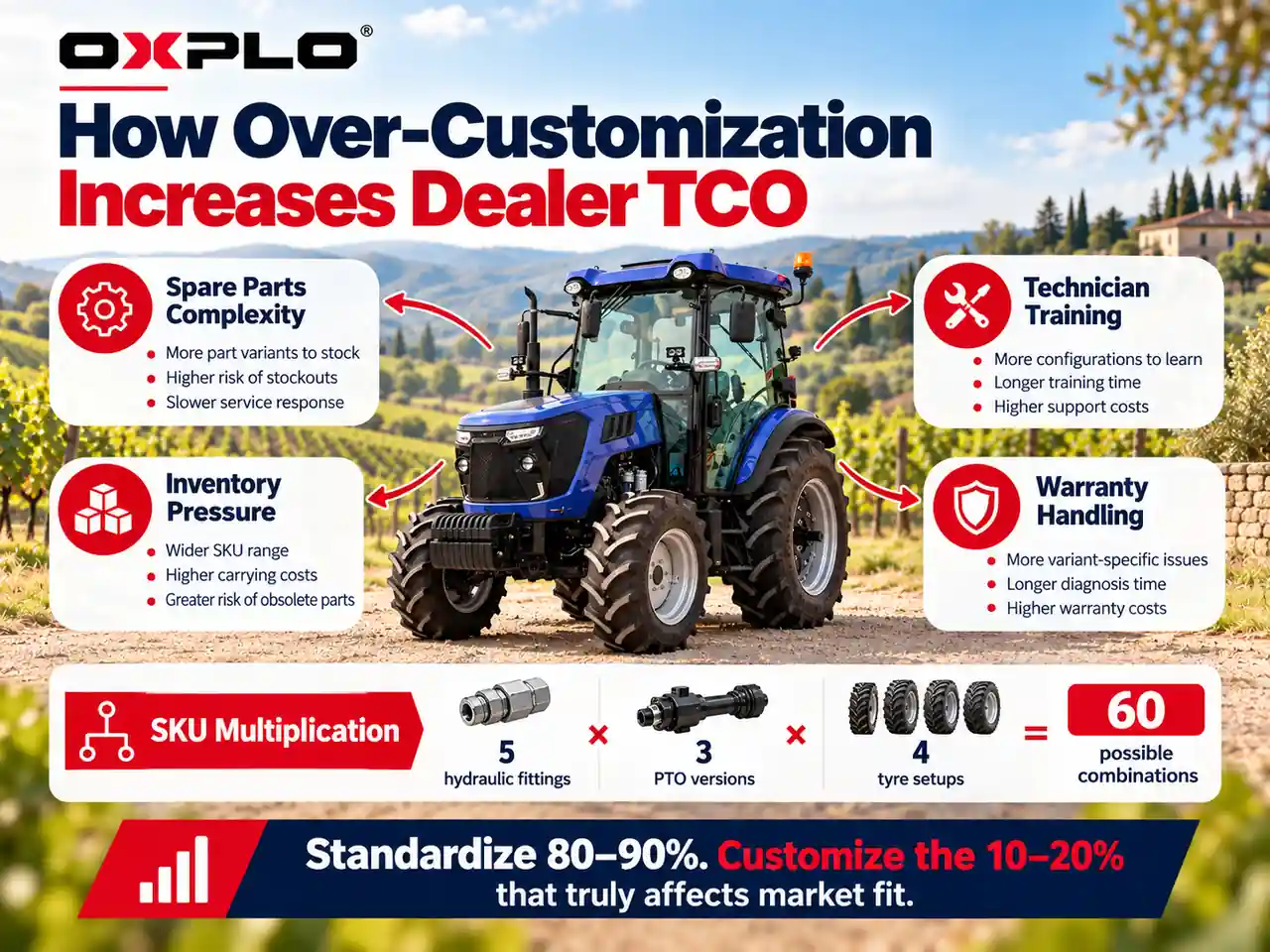
Figure 3. Over-customization increases dealer TCO through parts, training, inventory and warranty complexity.
At Purchase
Unit price + engineering/customization cost + special component purchasing + branding/tooling + documentation work.
During Operation
Spare-parts inventory + technician training + warranty diagnosis + customer downtime + identification of non-standard parts.
At Reorder
Configuration revalidation + supplier clarification + documentation updates + risk that the second batch no longer matches the first.
A simple example: if a dealer allows five hydraulic-interface variants, three PTO combinations and four tyre packages, the catalogue theoretically contains 5 × 3 × 4 = 60 possible combinations before cab, loader or lighting options are even considered. The business may never stock all 60, but the multiplication effect shows why uncontrolled customization becomes difficult to support.
Practical procurement principle: standardize roughly 80–90% of the tractor and customize the 10–20% that materially improves local market fit.
This is a decision rule, not an industry statistic. The exact ratio depends on the market, order volume and dealer strategy.
VIII. Build a Market Configuration, Not a One-Off Tractor
For a dealer, the strongest OEM program is often a small family of repeatable configurations built around real customer groups.
Example A: Orchard / Vineyard Configuration
- Compact dimensions and manageable width
- 4WD traction
- Category I implements where appropriate
- Mowing and light transport focus
- Cab/ROPS choice based on clearance and climate
Example B: Mixed-Farm Configuration
- 40–50 HP class where workload fits
- PTO compatibility for mowing and soil preparation
- Trailer and general transport capability
- Controlled hydraulic options
- Common attachment package
Example C: Utility / Heavier-Work Configuration
- 60–70 HP utility platform
- Category II implement compatibility
- More demanding loader and material-handling work
- Larger implements and recurring transport
- Hydraulic, ballast and tyre package confirmed as one system
These packages are not universal prescriptions. Their value is the method: define the customer segment first, then standardize a configuration that can be quoted, stocked, serviced and reordered consistently.
IX. How OXPLO Approaches OEM Tractor Configuration
This is where OXPLO’s current tractor range becomes useful. Rather than trying to force every requirement into one chassis, OXPLO offers six 4WD tractor power levels from 25 HP to 70 HP and uses the buyer’s application, implements and destination market to narrow the configuration before production.
Explore the range: OXPLO 25–70 HP Tractors
OXPLO Class | Representative Models | Platform Logic | Typical Starting Point |
25–30 HP | OXT254 / OXT304 | Compact, Category I | Vineyards, orchards, mowing, light utility work |
40–50 HP | OXT404 / OXT504 | Compact, Category I with more working reserve | Mixed farming, PTO work, transport, light loading |
60–70 HP | OXT604 / OXT704 | Larger utility platform, Category II | Heavier implements, loader work, larger farms, demanding mixed use |
Why the Platform Step Matters
The OXPLO OXT404 is a 40 HP 4WD tractor with an 8F+8R transmission, Category I linkage and 540/1000 rpm PTO. The OXT604 is not simply “20 HP more”: it moves to a larger 60 HP utility chassis with a 12F+12R transmission, Category II linkage and 540/760 rpm PTO. For a customer who has outgrown compact-tractor implement or workload limits, moving platforms can be cleaner than trying to engineer more complexity into the smaller tractor.
Attachments Should Be Matched, Not Merely Added
OXPLO currently lists 48 tractor attachment options across soil preparation, mowing, harrowing, transport and related farm work. The useful capability is not the number itself. OXPLO asks buyers to provide tractor model, horsepower, connection dimensions, hydraulic requirements and intended application so attachment compatibility can be checked before recommendation.
European-Market Documentation Must Match the Exact Configuration
OXPLO states that European-market configurations and CE-related documentation depend on the equipment type, selected model, engine, destination country and intended application. Stage V engine configurations may be available for applicable diesel-powered tractors, subject to model and engine supplier. This is the right level of caution for an OEM project: documentation should be confirmed against the actual machine, not assumed from a generic brochure.
Pre-Shipment Confirmation Reduces Configuration Disputes
For OEM orders, OXPLO can use the agreed specification as the reference for production and pre-shipment verification. Photos, videos, labels, branding and attachment details should be checked against the frozen configuration before the machines leave the factory.
Useful OXPLO pages: Tractor Customization & Selection | Tractor Range | Attachments, Parts & Support | All Products
X. The Pre-Production Configuration Freeze Checklist
Before authorizing production, convert every technical and commercial decision into one controlled specification. Do not leave the final configuration scattered across quotations, emails and WhatsApp messages.
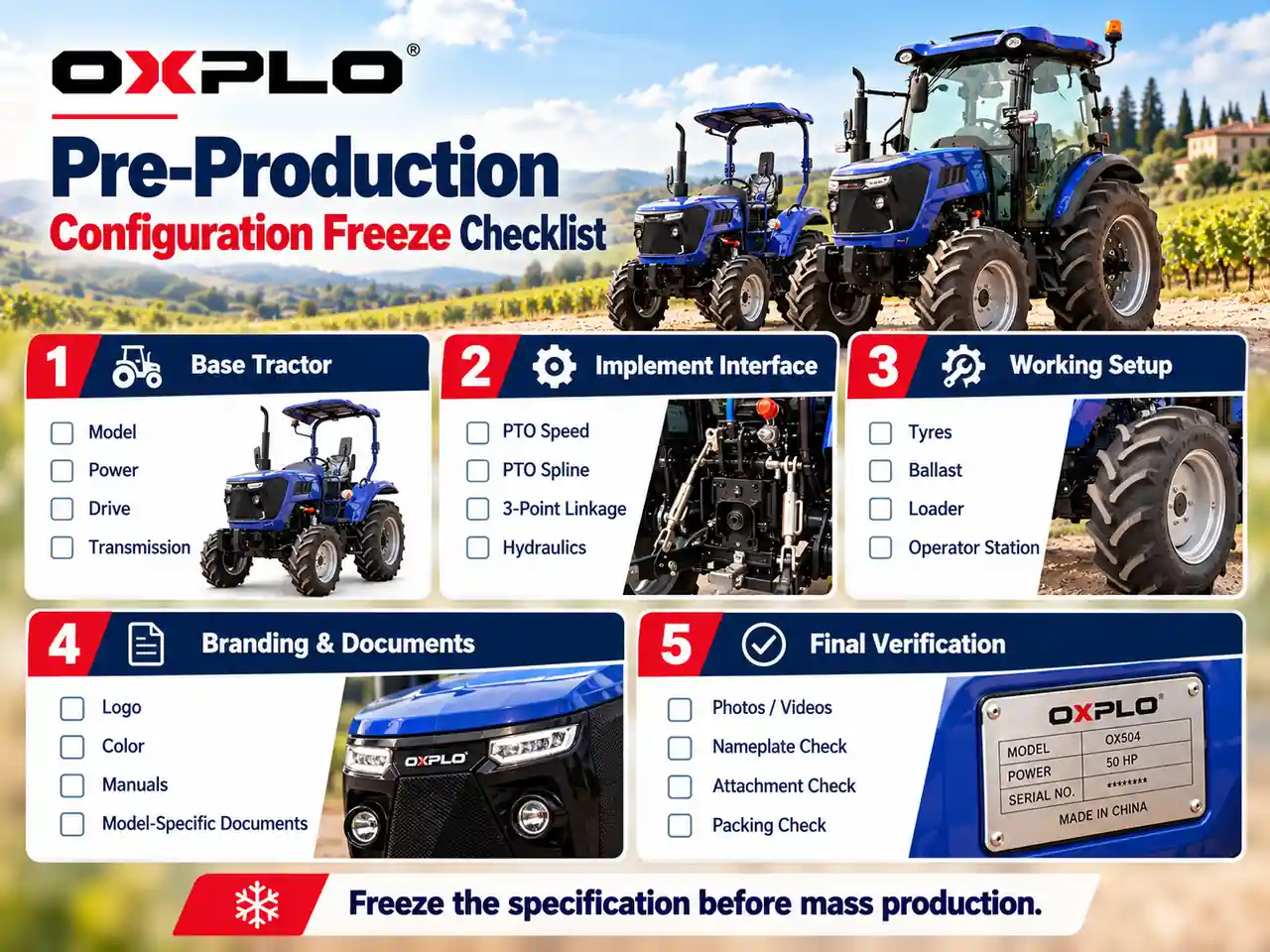
Figure 4. Pre-production configuration freeze: base tractor, implement interface, working setup, branding, documents and final verification.
A. Base Machine
- ☐ Exact model and rated power
- ☐ Drive type
- ☐ Engine model and emissions configuration
- ☐ Transmission
- ☐ Dimensions and operating weight
B. Implement Interface
- ☐ PTO speed and spline
- ☐ Three-point linkage category
- ☐ Lift requirement
- ☐ Hydraulic flow and pressure
- ☐ Number and type of hydraulic outlets
- ☐ Existing implement compatibility
C. Chassis and Traction
- ☐ Front and rear tyre size
- ☐ Overall width after tyre selection
- ☐ Ground clearance
- ☐ Ballast / counterweight
- ☐ Loader compatibility if required
D. Operator and Road Equipment
- ☐ ROPS / canopy / cab
- ☐ Seat and climate equipment
- ☐ Mirrors
- ☐ Work lights
- ☐ Road lights and destination-specific equipment
E. Branding
- ☐ Paint colour reference
- ☐ Logo artwork
- ☐ Logo size and position
- ☐ Model decal
- ☐ Identification labels
- ☐ Packaging
F. Documentation
- ☐ Confirmed specification sheet
- ☐ Operating and maintenance manual
- ☐ Parts information
- ☐ Engine/emissions documents where applicable
- ☐ Declaration / conformity-related documents for the selected configuration where applicable
- ☐ Required language
G. Final Inspection
- ☐ Machine photos
- ☐ Machine video
- ☐ Nameplate check
- ☐ Logo and decal check
- ☐ Attachment check
- ☐ Packaging check
Freeze rule: after both sides approve the specification, any later change should be recorded as a revision with its effect on price, lead time, documentation and compatibility.
XI. FAQ: OEM Tractor Customization
Q1. What is an OEM tractor?
An OEM tractor is produced by a manufacturer according to an agreed product configuration and, where applicable, the buyer’s brand or market requirements. OEM work may include private labeling, selected technical configurations, attachments, colours and documentation.
Q2. Can I put my own brand on an OXPLO tractor?
Private-label elements such as logos, decals, colour and model naming can be discussed depending on the project. Branding should be finalized with approved artwork, dimensions and positions before production, while required safety and identification markings remain separate.
Q3. Can OXPLO customize PTO, tyres and hydraulics?
Available options depend on the tractor model and order requirements. OXPLO recommends confirming the customer’s implements, PTO needs, hydraulic requirements, tyre preference and working conditions before approving the configuration.
Q4. Can my existing attachments be used?
Possibly, but compatibility should be checked first. Send the attachment type, PTO requirement, linkage category, hydraulic requirement, dimensions and operating weight. OXPLO can then check the interface against the selected tractor.
Q5. Is a 50 HP tractor automatically better than a 40 HP tractor for OEM projects?
No. More horsepower only helps when the workload requires it. Width, chassis size, PTO demand, traction, linkage, hydraulic capacity, operating weight and annual workload should be considered together.
Q6. Can the engine be changed for a European order?
Engine availability depends on the tractor model, destination and applicable emissions requirements. Because engine configuration can affect documentation and approval status, it should be confirmed early in the project rather than treated as a late-stage option.
Q7. Can OXPLO provide CE-related documentation?
OXPLO states that CE-related documentation can be provided for eligible European-market configurations. Buyers should confirm the exact Declaration of Conformity, manuals, labels and supporting documents for the selected model and configuration before shipment.
Q8. When should the final OEM tractor specification be approved?
Before production begins. Late changes can affect component availability, cost, lead time, documentation and compatibility. A signed or otherwise approved configuration sheet should be the technical baseline for the order.
XII. Conclusion: Customize for Market Fit, Not Maximum Complexity
A successful OEM tractor project is not defined by how many options the manufacturer can change. It is defined by whether the final machine fits the customer’s work, can be supported economically and can be reproduced consistently in the next batch.
For European dealers and importers, that means controlling three things at the same time: application fit, compliance risk and lifecycle complexity. Select the correct tractor platform first. Verify PTO, linkage, hydraulics, tyres and attachments as a system. Standardize service parts where possible. Keep approval-relevant changes under tighter technical control. Then freeze the configuration before production.
OXPLO’s 25–70 HP tractor range gives buyers several starting platforms rather than forcing one chassis to cover every job. OXPLO can then discuss tractor customization around the actual destination market, implements, workload, tyres, operator station, attachment package, branding and documentation requirements.
When requesting an OEM tractor quotation, send more than a horsepower target. Provide the destination country, farm or customer type, primary application, existing implements, PTO and hydraulic requirements, access dimensions, loader requirement, annual working hours, branding needs and expected order quantity. That gives OXPLO enough information to evaluate the tractor as a complete working system before production begins.
Discuss Your OEM Tractor Configuration With OXPLO
Reference Notes
Product specifications and configuration statements in this guide are based on OXPLO’s publicly available website pages reviewed in September 2026. Buyers should request a confirmed specification sheet for the exact model and order before purchase.
European regulatory reference: Regulation (EU) No 167/2013 on the approval and market surveillance of agricultural and forestry vehicles, current consolidated version accessed via EUR-Lex. Regulatory requirements can depend on vehicle category, configuration, intended use and destination; this guide is procurement guidance, not legal advice.EUR-Lex source