
A low number on a quotation is not automatically a good price. If the machine specification, attachments, hydraulic requirements, destination-market documentation and shipping basis are still unclear, the quotation is simply an incomplete configuration expressed as a number.
That is the central problem when contacting a backhoe loader supplier. Buyers often ask for a backhoe loader price first and define the job later. For a multi-purpose machine that combines loading, excavation, material handling and attachment work, that order creates avoidable risk.
This guide explains what to send a supplier, why each item affects the quote, what European buyers should verify before ordering, and how to compare quotations without accidentally comparing different machines.
I. Why a Backhoe Loader Quote Can Be Wrong Before the Price Is Wrong
The expensive mistakes usually do not appear on the quotation itself. They appear after the machine reaches the job site: a hydraulic breaker cannot be connected as expected, the bucket is wrong for the trench, the machine is awkward in a narrow yard, spare parts were not included, or destination-market documentation was never clarified before shipment.
An inaccurate backhoe loader quote therefore creates several types of hidden cost:
Specification cost: the machine is technically usable, but poorly matched to the real duty cycle.
Attachment cost: a breaker, auger, fork or grapple requires interfaces or hydraulic provisions that were not confirmed.
Downtime cost: a low-cost wear part or hose stops the machine because no spare-parts plan was prepared.
Logistics cost: additional attachments change packing, container utilisation or freight after the original quote.
Documentation risk: the buyer asks about conformity or market paperwork only after the commercial terms are agreed.
Inventory cost: a dealer stocks an over-specified machine that is harder to sell to the local customer base.
For procurement teams, the objective is not merely to get a faster reply. It is to expose these costs before the purchase order is signed.
II. Describe the Job Before You Specify the Machine
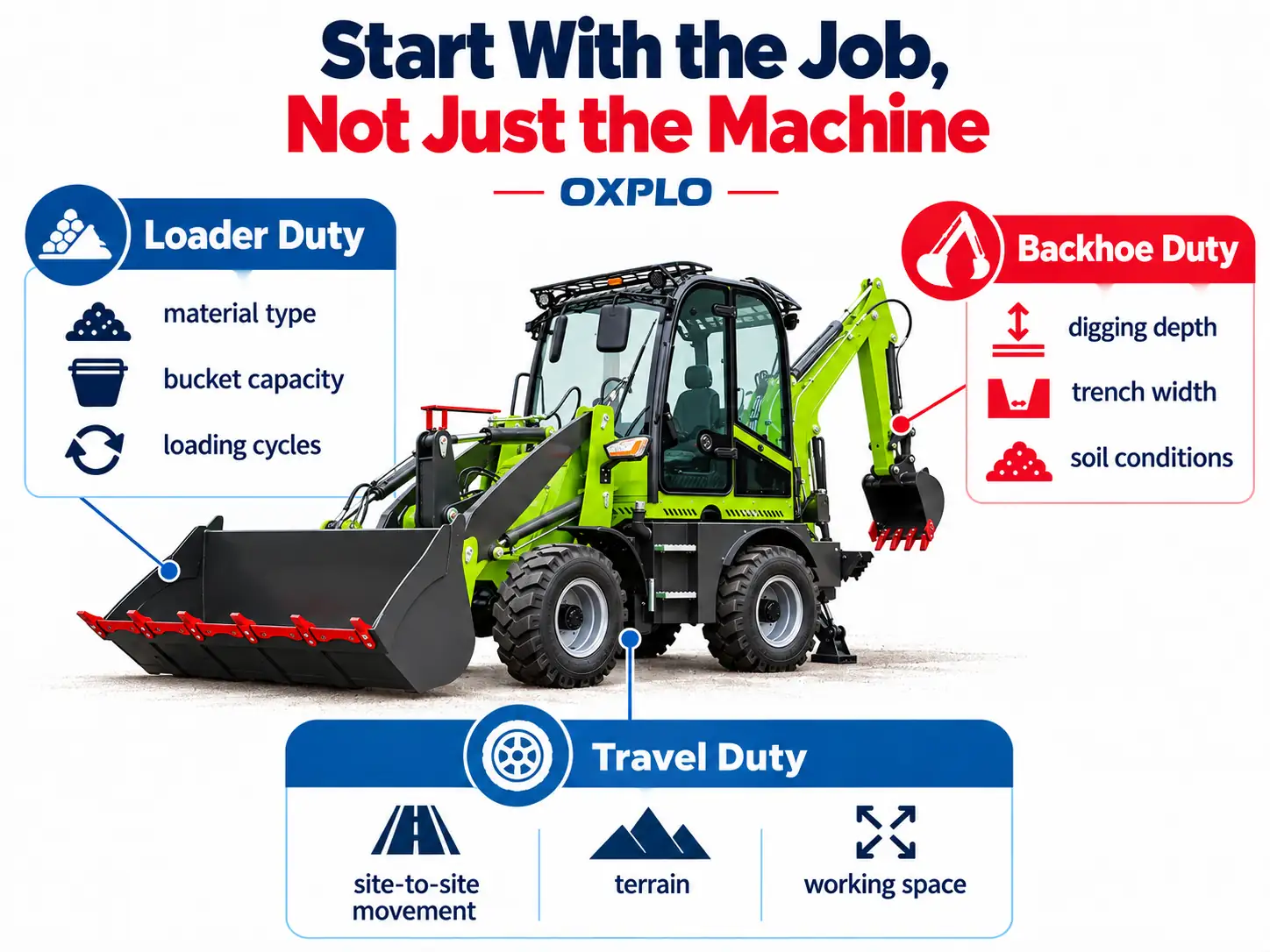
Figure 1. Start with the job: loader duty, backhoe duty and travel duty.
A useful RFQ begins with the work. A backhoe loader has three different duty profiles that should be described separately: loader duty, backhoe duty and travel duty.
Loader Duty: What Will the Front End Actually Move?
Tell the supplier what the front loader handles most often: soil, gravel, sand, manure, feed, construction debris, snow or another material. Material density, bucket size and loading frequency all affect the practical workload.
Also describe where the material is going. Loading a low farm trailer is not the same task as loading a higher truck body. If dump height matters, state the receiving vehicle or target height instead of asking only for a “large bucket.”
Backhoe Duty: Digging Depth Is Only One Variable
Provide the typical digging depth, not just an extreme maximum. A buyer who normally works at 1.5–2.0 m but occasionally needs a deeper trench should tell the supplier both figures. Selecting the entire machine around an unusual maximum can increase size and cost without improving day-to-day productivity.
Add trench width, soil type and the nature of the work: drainage, utilities, foundations, landscaping, roadside excavation or general property maintenance. These details help the supplier evaluate bucket selection and attachment requirements.
Travel Duty: How Often Does the Machine Move Between Jobs?
This is often overlooked. A wheeled backhoe loader can be attractive precisely because one machine can load, dig and move around a farm, estate, yard or small project site. If the unit travels frequently between work areas, tell the supplier. If it remains stationary for long excavation cycles, say that too.
OXPLO positions the OX15-20 wheeled backhoe loader around this multi-task operating model: loading, digging, material handling, farm-yard work, rural projects and light construction.
III. The Machine Specifications That Actually Change the Quote
You do not need to arrive with a complete engineering specification. You do need to provide the variables that can change configuration, suitability or cost.
- Typical and maximum digging depth— State the normal working range and the occasional maximum separately.
- Required bucket types and widths— List the front bucket and rear digging bucket requirements. If you are unsure, describe the trench and material rather than guessing.
- Ground conditions— Paved surfaces, compacted yards, gravel, soft soil, mud, slopes and mixed terrain create different traction and stability demands.
- Working space— Give gate width, building entrance height, narrow-yard constraints, turning space and any transport restrictions that may limit the machine envelope.
- Operating hours— Two hours of occasional farm maintenance is not the same duty cycle as six to eight hours of daily contracting work.
- Seasonal and climate conditions— Cold-weather maintenance, snow work, wet ground or dusty summer sites can affect attachment planning and maintenance expectations.
- Quantity and buyer type— A single end-user purchase and a dealer stocking programme require different commercial and spare-parts planning.
A machine can meet the digging specification and still be wrong for the site. For many European farms, rural properties and small contractors, access dimensions and manoeuvring space can matter as much as headline digging performance.
IV. Attachments, Hydraulics and the Configuration Mistakes Buyers Discover Too Late
Attachments are one of the biggest reasons an early backhoe loader price changes later. The important question is not simply whether an attachment appears in a catalogue. The supplier should confirm physical connection, hydraulic requirements and the intended operating duty.
Hydraulic breaker
Tell the supplier what material will be broken and how frequently the breaker will be used. Confirm the required hydraulic circuit and interface before production.
Auger
Useful for posts, planting and utility work, but size and drive requirements should match the expected soil and hole diameter.
Quick coupler
Valuable for customers who change attachments frequently; less valuable for a machine that performs one repetitive task all day.
4-in-1 or 6-in-1 bucket
Can reduce attachment changes for mixed maintenance work, but increases cost compared with a simpler general-purpose bucket.
Pallet fork or grapple
Useful when the machine must also handle palletised goods, vegetation, logs or irregular materials.
OXPLO currently lists wheeled backhoe loader attachment options including 6-in-1 and 4-in-1 buckets, tilting and agitator buckets, excavator- and loader-end quick couplers, augers, hydraulic breakers, pallet forks, grapples, sweepers and snow-maintenance tools.
The purchasing rule is simple: choose attachments from the duty cycle, not from the length of the options list. A feature that is used every day can improve productivity; an attachment that stays in storage only increases capital cost.
V. What European Buyers Should Confirm Before Ordering
For European buyers, the quote is not complete when the machine price is complete. Destination-market documentation, operating environment and shipping assumptions should be discussed before the final configuration is approved.
Confirm the Exact Destination Country and Use Case
Do not write only “Europe.” Tell the backhoe loader supplier the country, delivery city or port, buyer type and intended application. Requirements can differ by destination, machine configuration and use case.
Ask About Documentation for the Exact Configuration
A better question is not simply “Does it have CE?” The more useful procurement question is: “Which conformity documents, manuals, technical specifications, labels and available declarations will be supplied for this exact machine configuration and destination market?”
OXPLO states that compliance requirements vary by product type, configuration and destination country, and that buyers can review available certificates, technical specifications, test reports, manuals and applicable declarations before confirming an order.
Check the Physical Site, Not Just the Specification Sheet
European farms and small construction sites often involve narrow gates, compact yards, barns, village roads or restricted work zones. Confirm the machine width, overall height, turning requirement and safe operating space around the loader, rear boom and stabilisers.
Clarify the Shipping Basis
EXW, FOB and a destination-port quotation describe different cost boundaries. Attachments can also change packing and container utilisation. Ask the supplier to state the Incoterm, loading basis and what is included rather than comparing only the bottom-line number.
VI. How to Compare Backhoe Loader Quotes Without Comparing the Wrong Machines
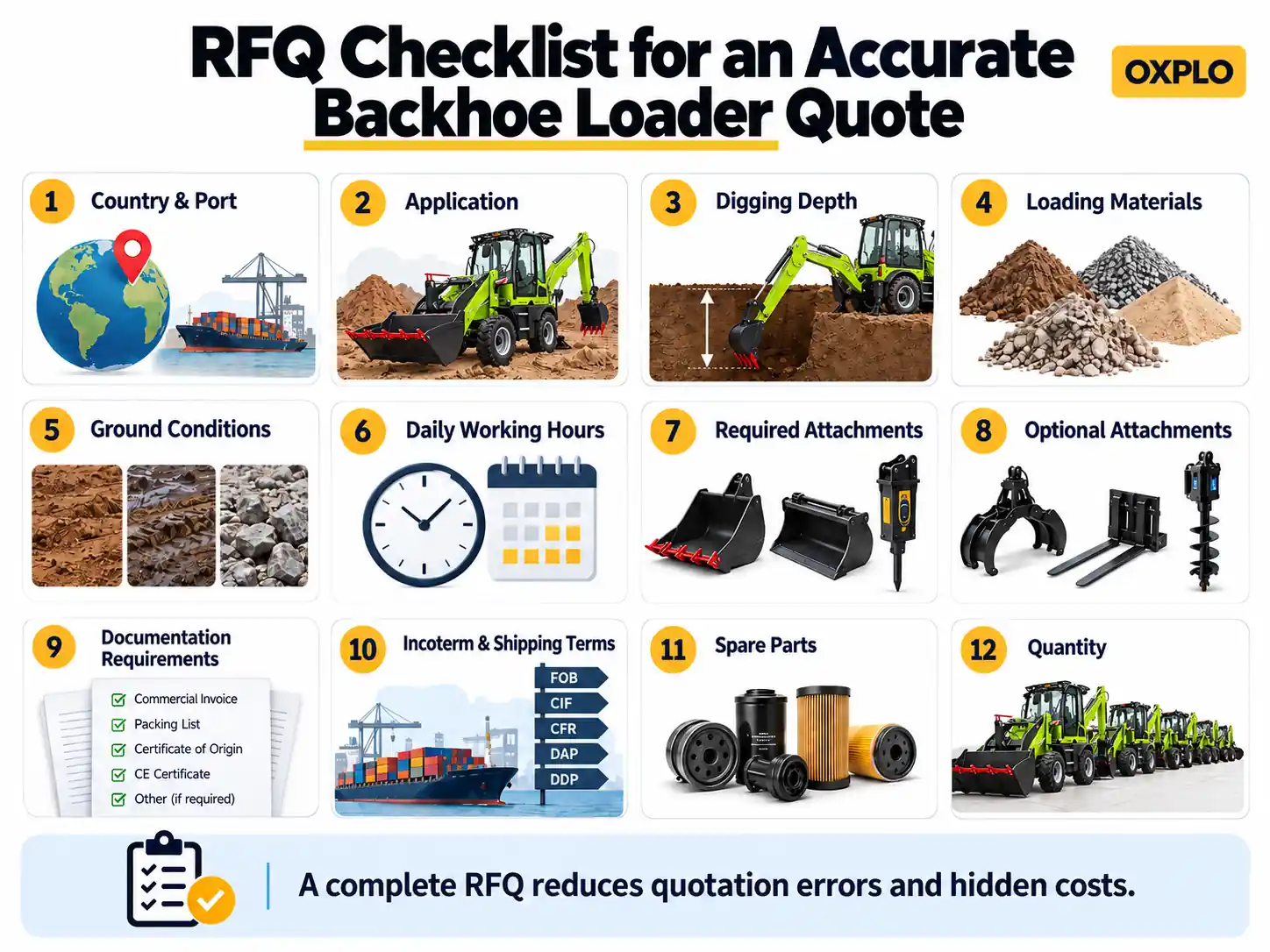
Figure 2. Compare reference price, configured machine price and landed cost separately.
A professional comparison should separate three numbers that buyers often mix together.
Reference Price
An early or website-level indication for a standard machine. Useful for budget screening, but not yet a procurement price.
Configured Machine Price
The price after the machine, buckets, hydraulic provisions, attachments and selected options are defined.
Landed Cost
The broader cost after freight and other destination-side costs are considered. The exact composition depends on the commercial term and importer arrangements.
Before choosing the lowest quote, normalise the specifications. If one supplier includes quick couplers, auxiliary hydraulics and two attachments while another quotes only the base machine, the two prices are not directly comparable.
For Dealers: Build a Standard Stock Configuration Instead of Requoting From Zero
A dealer has a different problem from a single end user. The goal is to define a base machine that suits a large share of local demand, then keep high-value attachments as optional upsells.
A practical dealer structure is: Standard Machine + Popular Attachment Package + Optional Hydraulic Tools + Recommended Spare-Parts Package.
For example, a dealer serving farms, rural maintenance teams, landscapers and small contractors may prefer a broadly usable standard configuration rather than stocking every unit with every available option. OXPLO can discuss configuration, attachments, export support and parts planning according to the target market.
VII. From RFQ to Final Configuration: A Practical Buying Framework
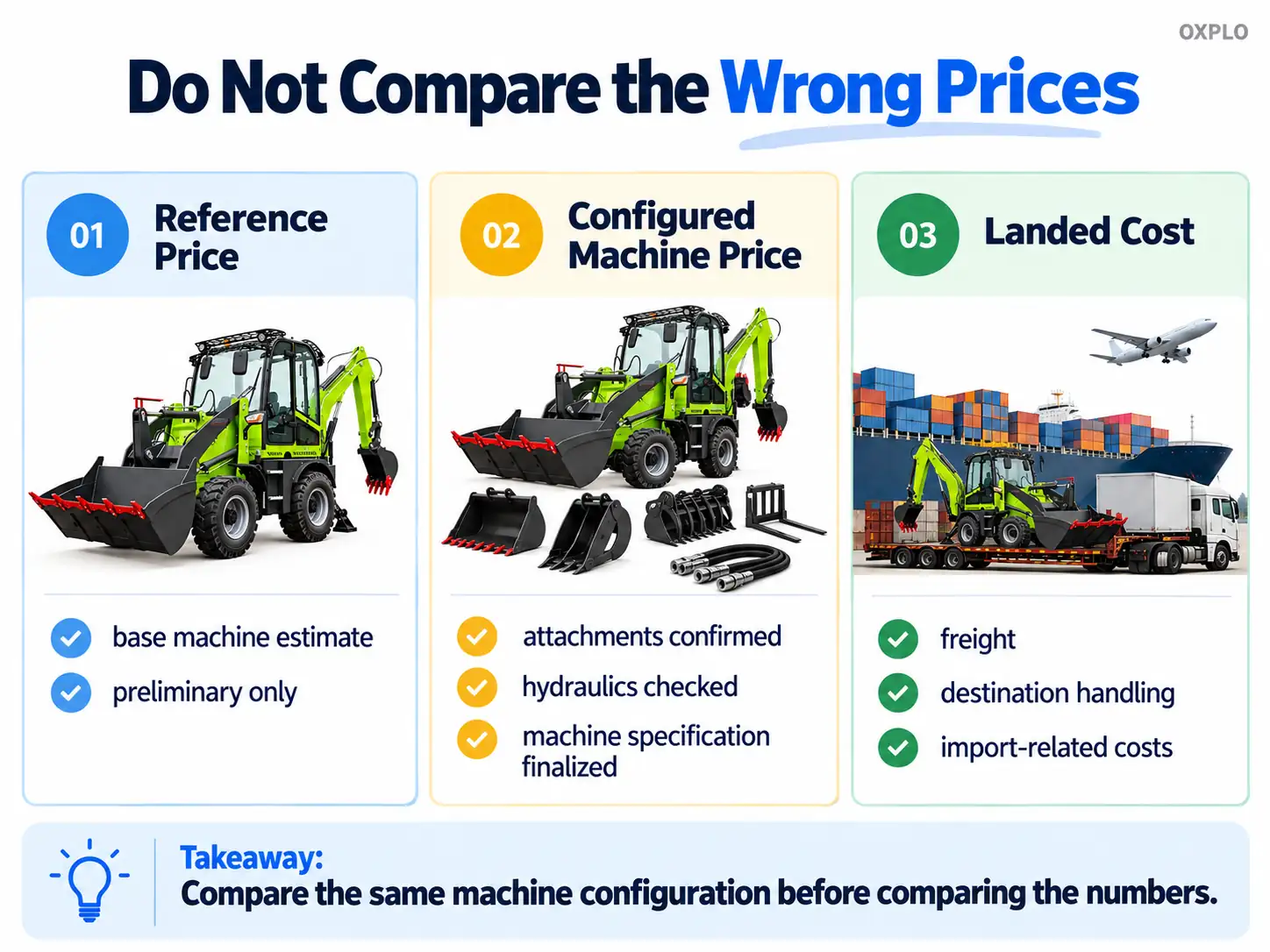
Figure 3. From RFQ to final configuration: a practical buying framework.
The strongest RFQ is not the longest one. It is the one that removes the most uncertainty.
Send These 15 Items in Your First Serious Enquiry
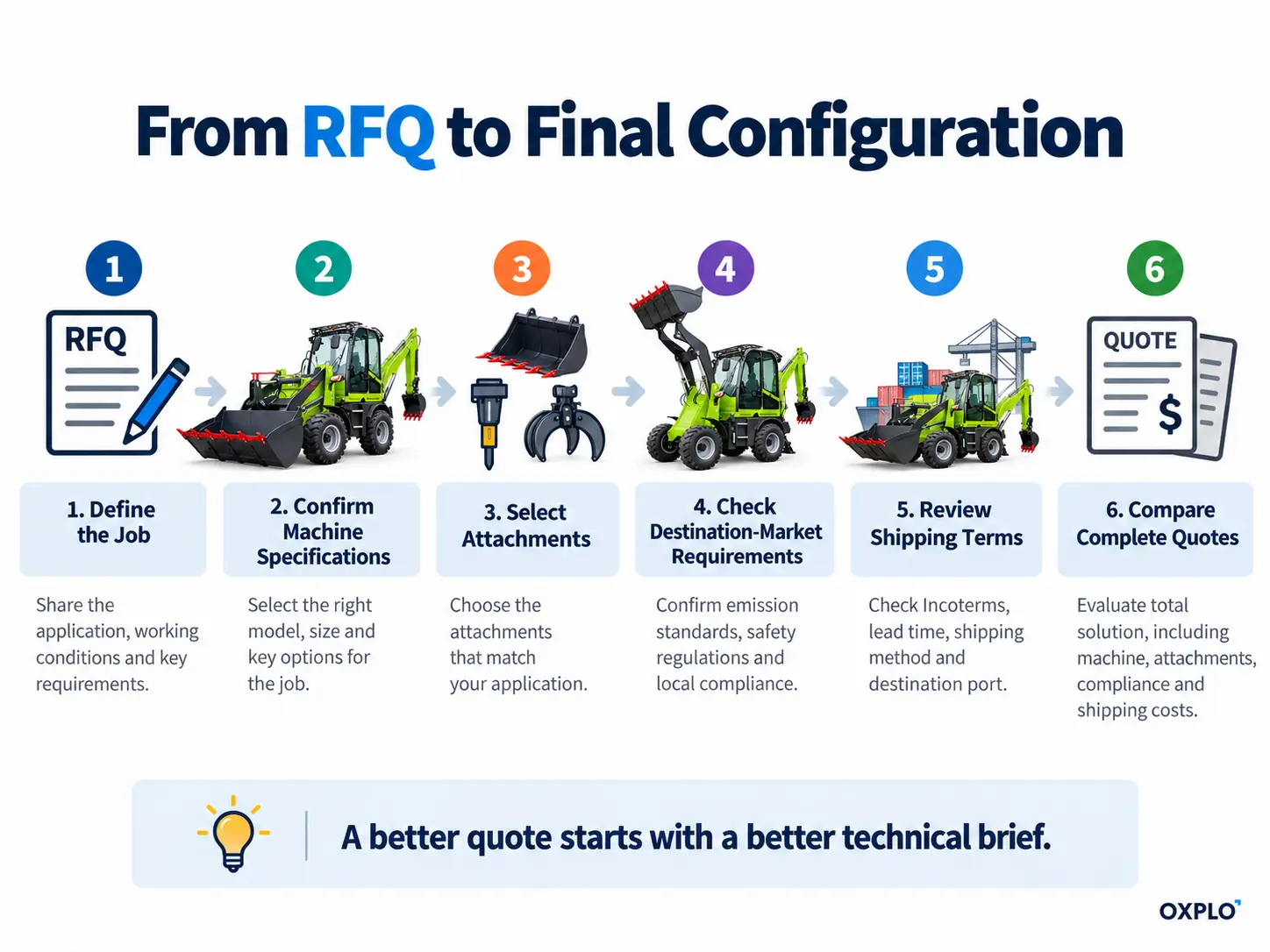
Figure 4. RFQ checklist for an accurate backhoe loader quote.
- Country and delivery city or nearest port
- Buyer type: dealer, contractor, farm, rental company or project buyer
- Required quantity
- Primary application
- Secondary jobs the machine must also perform
- Typical and maximum digging depth
- Required trench or bucket widths
- Materials handled by the front loader
- Ground and terrain conditions
- Site access restrictions and working space
- Expected daily operating hours
- Required attachments
- Optional attachments to quote separately
- Destination-market documentation requirements
- Preferred Incoterm, spare-parts requirement and expected delivery timing
Example: A Useful RFQ
“We operate a rural construction and farm-maintenance business in Poland. We need one wheeled backhoe loader for drainage trenches, farm-road repair, soil loading and occasional concrete breaking. Typical trench depth is approximately 1.5–2.0 m. Ground conditions are mainly compacted soil and gravel. The machine will work about 4–6 hours per day. Please quote a standard front bucket and general-purpose rear bucket, and list the hydraulic breaker and quick coupler separately as optional equipment. Please also provide the machine specification, available destination-market documentation, warranty information, FOB price, estimated lead time and shipping options.”
This buyer is not pretending to be an engineer. The buyer is simply giving the supplier enough operational information to make an engineering and commercial recommendation.
How OXPLO Can Use This Information
OXPLO supplies the OX15-20 wheeled backhoe loader for multi-purpose work such as loading, digging, material handling, farm-yard tasks, rural projects and light construction. The product range can be configured with selected attachments according to working requirements.
When a buyer sends OXPLO the actual job conditions first, the discussion can move beyond a generic backhoe loader price. OXPLO can review the application, required attachments, destination market, shipping basis and after-sales needs before the final configuration is confirmed.
This is especially useful for dealers and B2B buyers who need repeatable procurement rather than a one-off catalogue price. OXPLO also provides parts, attachment, warranty and technical-support information for wheeled backhoe loaders and other equipment.
VIII. FAQ: Backhoe Loader Quotes and Supplier Selection
Q1. What information should I send a backhoe loader supplier first?
Send your country, application, quantity, typical digging depth, loader tasks, ground conditions, daily working hours, required attachments and preferred shipping term. These items usually determine whether the first quote is commercially meaningful.
Q2. Can I ask for a backhoe loader price before I know every specification?
Yes. Ask for a reference price, but treat it as preliminary. The configured machine price should only be compared after the major technical and commercial variables are confirmed.
Q3. Why can two similar-looking backhoe loaders have different prices?
Because appearance does not show the complete configuration. Differences can include buckets, hydraulic provisions, quick couplers, attachments, tyres, spare parts, warranty scope, shipping basis and supplied documentation.
Q4. Should I mention hydraulic attachments in the first enquiry?
Yes. Breakers, augers, grapples and other hydraulic tools should be discussed before production so the supplier can review compatibility and hydraulic requirements.
Q5. What should European buyers ask about documentation?
Ask which technical and conformity-related documents are available for the exact model, configuration and destination country. Avoid assuming that one certificate or declaration automatically applies to every product variant.
Q6. What should a dealer ask OXPLO for?
Dealers should provide the target market, typical customer applications, expected quantity, preferred base configuration, popular attachment needs, spare-parts expectations and destination-market requirements. OXPLO can then discuss a more repeatable standard configuration rather than requoting every end customer from zero.
IX. Conclusion: A Good Quote Starts With a Good Technical Brief
Do not judge a backhoe loader supplier only by how quickly a price arrives. Judge the quotation by how clearly it defines the machine you are actually buying.
Before requesting a final price, prepare a one-page job profile covering application, loader duty, digging requirements, working space, terrain, attachments, destination and commercial terms. This converts the conversation from “How much is the machine?” to “Which configuration solves the job at the lowest practical total cost?”
For an OXPLO OX15-20 enquiry, buyers can send this information to the OXPLO team and discuss a configuration based on the actual operating conditions, compatible attachments, destination-market documentation, shipping basis and support requirements.
The objective is not to create the longest quotation. It is to remove the expensive surprises before the machine leaves the factory.
Quotation Item | Supplier A | Supplier B |
Exact machine model | Confirm | Confirm |
Engine / drivetrain specification | Confirm | Confirm |
Front loader bucket | Confirm | Confirm |
Rear digging bucket | Confirm | Confirm |
Auxiliary hydraulic provision | Confirm | Confirm |
Quick couplers | Confirm | Confirm |
Included attachments | Confirm | Confirm |
Optional attachments | Confirm | Confirm |
Tyres / operating configuration | Confirm | Confirm |
Spare-parts package | Confirm | Confirm |
Warranty terms | Confirm | Confirm |
Lead time | Confirm | Confirm |
Incoterm / shipping basis | Confirm | Confirm |
Destination-market documents | Confirm | Confirm |
Quotation validity | Confirm | Confirm |